• Home
  • About Us
  • Toolkit
  • Getting Finances Done
    • Hiring Advisors
    • Debt Management
    • Spending Plan
  • Insurance
    • Life Insurance
    • Health Insurance
    • Disability Insurance
    • Homeowners/Renters Insurance
  • Contact Us
  • Privacy Policy
  • Risk Tolerance Quiz

The Free Financial Advisor

You are here: Home / Archives for relationships

10 Things You Should NEVER Ask a Couple Who Just Got Engaged

May 22, 2025 by Travis Campbell Leave a Comment

engaged couple

Image Source: pexels.com

Getting engaged is one of life’s most exciting milestones, filled with joy, anticipation, and a flurry of well-wishes from friends and family. But as soon as that sparkling ring appears, so do the questions—some of which can be surprisingly intrusive or even stressful for the happy couple. You’re not alone if you’ve ever found yourself at a loss for words around newly engaged friends. Knowing what not to ask is just as important as knowing how to celebrate with them. This guide will help you avoid awkward moments and keep your conversations supportive, positive, and fun. After all, engagement is a time for celebration, not interrogation!

Whether you’re a close friend, a distant relative, or just someone who loves a good love story, it’s important to remember that every couple’s journey is unique. The questions you ask can either add to their happiness or unintentionally dampen their spirits. So, before you blurt out the first thing that comes to mind, read on for the top 10 things you should never ask a couple who just got engaged.

1. “When’s the Wedding?”

It might seem like the most natural question in the world, but asking about the wedding date right after an engagement can put unnecessary pressure on the couple. Many newly engaged couples haven’t even started thinking about wedding planning yet. They’re still soaking in the excitement of the engagement itself! Instead of rushing them into logistics, let them enjoy this special moment. According to The Knot, the average engagement lasts about 15 months, so there’s plenty of time for details later.

2. “How Much Was the Ring?”

Money and gifts are always sensitive topics, and asking about the cost of the engagement ring is a major faux pas. Not only is it personal, but it can also make the couple feel uncomfortable or judged. The ring’s value is far less important than its meaning. If you’re curious about the story, ask how the proposal happened instead—it’s a much more meaningful conversation starter.

3. “Are You Sure You’re Ready?”

Questioning a couple’s readiness for marriage can come across as doubting their relationship. Even if you have concerns, this isn’t the time or place to voice them. Engagement is a time for support and encouragement, not skepticism. If you’re truly worried, save the conversation for a private, one-on-one moment—if at all.

4. “When Are You Having Kids?”

Jumping straight from engagement to family planning is a big leap. This question can be especially uncomfortable for couples who may not want children, are struggling with fertility, or simply haven’t discussed it yet. According to the CDC, about 1 in 5 married women in the U.S. experience fertility issues, so it’s best to steer clear of this topic unless the couple brings it up themselves.

5. “Can I Be in the Wedding?”

While feeling excited for your friends is natural, asking to be included in the wedding party puts the couple in an awkward position. Budget, venue size, or personal preference often limits wedding parties. Let the couple make their choices without added pressure. If you’re close, trust that they’ll include you in a way that feels right for them.

6. “Why Did It Take So Long?”

Every relationship moves at its own pace, and there’s no “right” timeline for getting engaged. Asking why it took so long can make the couple feel defensive or judged. Instead, focus on celebrating the fact that they’ve found each other and are ready to take the next step together.

7. “Are You Going to Change Your Name?”

This is a deeply personal decision that couples may not have even discussed yet. Some people feel strongly about keeping their name, while others are excited to take their partner’s. Either way, it’s not your business unless they choose to share. Respect their privacy and let them make the announcement if and when they’re ready.

8. “How Many Guests Are You Inviting?”

Guest lists are one of the most stressful parts of wedding planning. Asking about the number of guests can make the couple feel pressured or worried about who to include. Plus, it can lead to awkward follow-up questions about whether you’ll be invited. Instead, express your excitement for their big day and let the details unfold naturally.

9. “Are You Having a Big or Small Wedding?”

Similar to the guest list question, this can put the couple on the spot before they’ve even had a chance to discuss their preferences. Weddings come in all shapes and sizes; what matters most is that the couple feels comfortable with their choices. Avoid making assumptions or comparisons to other weddings you’ve attended.

10. “Do You Think You’ll Last?”

This is, without a doubt, the most inappropriate question you could ask. It’s hurtful and undermines the couple’s happiness and commitment. If you’re not supportive, keeping your doubts to yourself is better. Engagement is a time for optimism and encouragement, not negativity.

Celebrate the Moment—Don’t Spoil the Joy

The period after an engagement is a whirlwind of excitement, love, and anticipation. The best thing you can do for a newly engaged couple is to celebrate with them, offer your heartfelt congratulations, and let them share details at their own pace. Remember, your words have the power to uplift or deflate, so choose them wisely. By avoiding these ten questions, you’ll help ensure that your friends or loved ones can fully enjoy this special chapter in their lives.

What’s the most awkward question you’ve heard someone ask a newly engaged couple? Share your stories in the comments below!

Read More

9 Things You’ll Regret Not Putting in Your Prenup

10 Signs Your Relationship is Based on Financial Gain and Not Love

Travis Campbell
Travis Campbell

Travis Campbell is a digital marketer/developer with over 10 years of experience and a writer for over 6 years. He holds a degree in E-commerce and likes to share life advice he’s learned over the years. Travis loves spending time on the golf course or at the gym when he’s not working.

Filed Under: relationships Tagged With: advice, couples, engagement, Etiquette, newly engaged, relationships, social tips, wedding planning

5 First Date “Green Flags” That Actually Turn into Red Flags Later

May 22, 2025 by Travis Campbell Leave a Comment

couple on first date

Image Source: pexels.com

First dates are a whirlwind of excitement, nerves, and hope. We’re all searching for those “green flags”—the positive signs that someone could be a great partner. But what if some of those first date green flags aren’t as promising as they seem? Sometimes, what looks like a good sign early on can morph into a red flag as the relationship unfolds. Recognizing these subtle shifts can save you time, heartache, and even money down the road. After all, your time and emotional energy are valuable resources, just like your finances. Let’s dive into five first date green flags that might actually signal trouble ahead, so you can date smarter and protect your well-being.

1. They’re Overly Attentive and Agreeable

It feels amazing when someone hangs on your every word, laughs at all your jokes, and seems to agree with everything you say. This kind of attentiveness can feel like a major green flag on a first date. Who doesn’t want to feel seen and appreciated? However, if your date never disagrees or always mirrors your opinions, it could be a sign of people-pleasing or even a lack of authenticity. Over time, this can lead to frustration when you realize you’re not actually getting to know the real person, but rather a version of them designed to win your approval. According to Psychology Today, chronic people-pleasing can mask deeper issues like insecurity or fear of conflict. In a healthy relationship, it’s important to have honest conversations and occasional disagreements—these are signs of two individuals with their own thoughts and boundaries.

2. They’re Generous to a Fault

Who doesn’t love a date who insists on picking up the tab or surprises you with thoughtful gifts? Generosity is often seen as a first date green flag, signaling kindness and financial stability. But it might be worth pausing if your date goes overboard—ordering the most expensive bottle of wine, showering you with gifts, or making grand gestures. Excessive generosity can sometimes be a form of “love bombing,” a manipulative tactic where someone overwhelms you with affection and gifts to gain control or mask their true intentions. According to Healthline, love bombing can quickly turn into emotional manipulation, leaving you feeling indebted or pressured. True generosity is consistent and respectful of boundaries, not overwhelming or showy.

3. They Share Deep, Personal Stories Right Away

It’s easy to feel a strong connection when someone opens up about their past, struggles, or vulnerabilities on a first date. This level of emotional sharing can seem like a green flag, suggesting honesty and depth. However, if your date dives into heavy topics too soon—like family trauma, ex-relationships, or personal crises—it could be a sign of “trauma dumping.” This is when someone overshares personal information before establishing trust, creating an unbalanced dynamic. While vulnerability is essential in relationships, it should develop gradually and mutually. If you find yourself playing therapist on the first date, consider whether this pattern might continue and become emotionally draining over time.

4. They’re Always Available and Responsive

Getting a quick reply to your texts or having someone always ready to make plans can feel like a dream come true. After all, who wants to deal with mixed signals or ghosting? But if your date seems to have unlimited free time, responds instantly to every message, or rearranges their entire schedule for you, it might be a sign of codependency or a lack of personal boundaries. Healthy relationships require both partners to maintain their own interests, friendships, and responsibilities. According to Verywell Mind, codependency can lead to unhealthy attachment patterns and resentment. Look for someone who values their own time as much as they value yours.

5. They’re Exceptionally Charming and Confident

Confidence and charm are classic first date green flags. A charming date can make you feel special, valued, and excited about the future. But sometimes, excessive charm can be a mask for narcissism or manipulative behavior. Pay attention if your date seems too good to be true, dominates the conversation, or makes everything about themselves. Narcissists are often skilled at making a great first impression, but their need for admiration and lack of empathy can become apparent over time. Watch for signs that your date is genuinely interested in you, not just in being admired.

Trust Your Instincts and Take Your Time

First date green flags are essential, but so is your intuition. If something feels off, even if it looks good on paper, allow yourself to slow down and observe. Healthy relationships are built on mutual respect, honesty, and gradual trust, not just on impressive first impressions. By staying aware of these potential red flags, you can protect your emotional and financial well-being and invest your time in relationships that truly enrich your life.

What about you? Have you ever experienced a first date green flag that turned red later? Share your story in the comments below!

Read More

10 Signs a Man Will Never Truly Commit No Matter What He Says

7 Signs of Disrespect in a Relationship

Travis Campbell
Travis Campbell

Travis Campbell is a digital marketer/developer with over 10 years of experience and a writer for over 6 years. He holds a degree in E-commerce and likes to share life advice he’s learned over the years. Travis loves spending time on the golf course or at the gym when he’s not working.

Filed Under: relationships Tagged With: Dating Advice, first date tips, green flags, Personal Finance, red flags, relationship psychology, relationships

7 Relationship Green Flags That Mean They’re ‘The One’

May 21, 2025 by Travis Campbell Leave a Comment

relationship green flags

Image Source: pexels.com

Finding “the one” can feel like searching for a needle in a haystack. With so much dating advice out there, it’s easy to focus on what to avoid—red flags, dealbreakers, and warning signs. But what about the positive signs? Relationship green flags are the often-overlooked indicators that you’re with someone who’s truly right for you. Recognizing these green flags can help you build a healthy, lasting partnership and avoid unnecessary heartbreak. Knowing what to look for can make all the difference, whether you’re new to dating or deep into a relationship. Let’s explore seven relationship green flags that mean you might have found “the one.”

1. Open and Honest Communication

One of the most important relationship green flags is open and honest communication. If your partner is willing to talk about their feelings, listen to yours, and work through disagreements respectfully, you’re off to a great start. Healthy communication means you both feel safe expressing yourselves without fear of judgment or retaliation. According to the American Psychological Association, effective communication is a cornerstone of strong relationships. When you can talk openly about everything from finances to future plans, it’s a sign you’re building a solid foundation.

2. Consistent Respect and Kindness

Respect and kindness aren’t just nice-to-haves—they’re essential relationship green flags. Notice how your partner treats you, especially during disagreements or stressful times. Do they listen, validate your feelings, and avoid name-calling or belittling? Consistent respect means your partner values you as an equal, and kindness shows they care about your well-being. Research from the Gottman Institute highlights that kindness is one of the most important predictors of relationship satisfaction. If your partner treats you with genuine respect and kindness, you’re likely with someone who’s in it for the long haul.

3. Shared Values and Life Goals

While opposites can attract, shared values and life goals are powerful relationship green flags. Do you both want the same things out of life—marriage, kids, career ambitions, or financial stability? Having aligned values doesn’t mean you agree on everything, but it does mean you’re moving in the same direction. When you and your partner share a vision for the future, it’s much easier to navigate challenges and make big decisions together. Discuss your priorities and dreams; if you’re on the same page, it’s a strong sign you’ve found “the one.”

4. Emotional Support and Empathy

A partner who offers emotional support and empathy is worth holding onto. Relationship green flags include someone who’s there for you during tough times, celebrates your wins, and genuinely cares about your feelings. Empathy means your partner tries to understand your perspective, even if they don’t always agree. This kind of support creates a safe space where both partners can grow and thrive. If you feel emotionally supported and understood, you’re likely in a relationship that can weather life’s ups and downs.

5. Healthy Boundaries and Independence

It’s easy to think that being “the one” means doing everything together, but healthy relationships actually require healthy boundaries. Relationship green flags include respecting each other’s need for space, hobbies, and friendships outside the relationship. Independence allows both partners to maintain their sense of self, ultimately strengthening your bond. If your partner encourages your personal growth and respects your boundaries, it’s a sign of maturity and trust, two ingredients for lasting love.

6. Willingness to Work Through Challenges

No relationship is perfect, but how you handle challenges together says a lot about your future. Relationship green flags include a willingness to address problems head-on, compromise, and seek solutions as a team. If your partner doesn’t shy away from tough conversations or sweep issues under the rug, you’re likely with someone who’s committed to making things work. This proactive approach to problem-solving is a strong indicator that your relationship can stand the test of time.

7. Mutual Trust and Reliability

Trust is the bedrock of any healthy relationship. Relationship green flags include a partner who keeps their promises, follows through on commitments, and is reliable in both big and small ways. You shouldn’t have to second-guess their intentions or worry about hidden agendas. Mutual trust lets you both feel secure and confident in the relationship, freeing you to focus on building a future together. If you can count on your partner and they can count on you, you’re well on your way to lasting happiness.

Building a Future on Green Flags

Spotting relationship green flags is about more than just feeling good in the moment—it’s about building a partnership that can go the distance. When you notice open communication, respect, shared values, emotional support, healthy boundaries, a willingness to work through challenges, and mutual trust, you’re seeing the signs of a truly healthy relationship. These green flags don’t guarantee perfection, but they do mean you’re with someone who’s ready to grow with you. Recognizing and nurturing these qualities is just as important as spotting red flags. By focusing on what’s working, you can create a relationship that’s not only lasting but deeply fulfilling.

What relationship green flags have you noticed in your own life? Share your thoughts and stories in the comments below!

Read More

10 Signs of Disrespect in a Relationship

9 Ways to Escape When You’re Married to a Sociopath

Travis Campbell
Travis Campbell

Travis Campbell is a digital marketer/developer with over 10 years of experience and a writer for over 6 years. He holds a degree in E-commerce and likes to share life advice he’s learned over the years. Travis loves spending time on the golf course or at the gym when he’s not working.

Filed Under: relationships Tagged With: Dating Advice, finding the one, healthy relationships, love, Personal Finance, relationship green flags, relationships

7 Outdated Relationship Rules That Are Keeping You Single

May 20, 2025 by Travis Campbell Leave a Comment

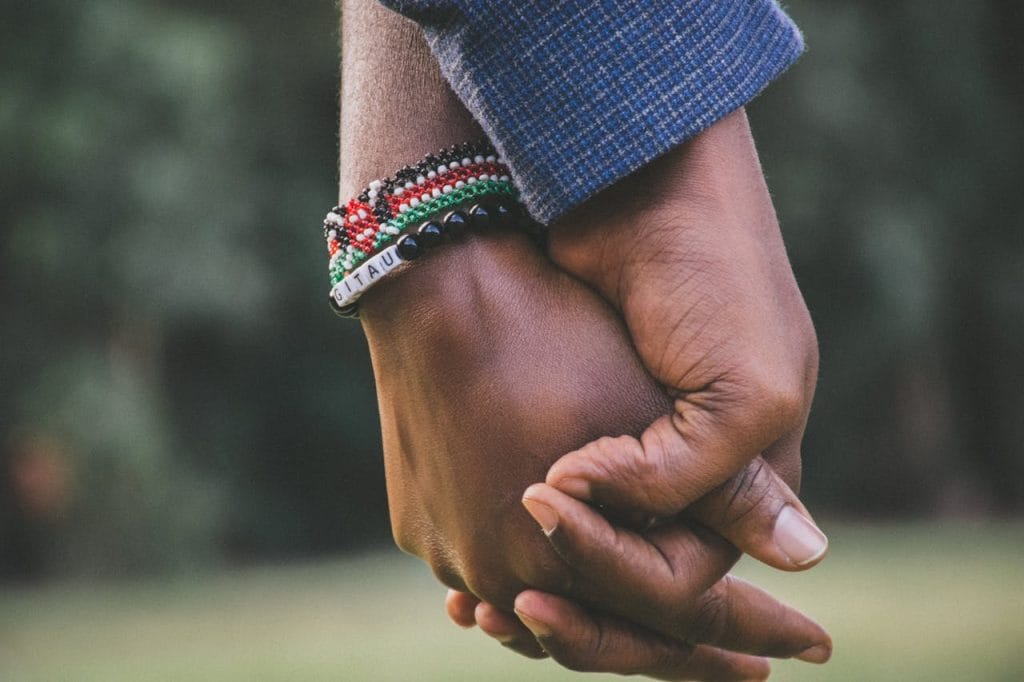
couple holding hands

Image Source: pexels.com

Are you tired of swiping, texting, and dating, only to find yourself still single? You’re not alone. Many people struggle to find lasting love, and often, the culprit isn’t bad luck or a lack of options—it’s the outdated relationship rules we’ve been taught to follow. These so-called “rules” might have made sense decades ago, but today, they can actually hold you back from building genuine connections. If you’re ready to break free from old habits and open yourself up to real love, it’s time to rethink the advice you’ve been following. Let’s dive into the seven outdated relationship rules that could be keeping you single—and what you should do instead.

1. Wait for the Other Person to Make the First Move

For years, we’ve been told that making the first move is desperate or unattractive, especially for women. But in today’s dating world, waiting around for someone else to take the initiative can mean missing out on great opportunities. Modern relationships thrive on mutual interest and effort. If you’re interested in someone, don’t be afraid to reach out, send that first message, or suggest a date. According to a study by Bumble, women who make the first move often have more meaningful conversations and better matches. Taking charge of your love life shows confidence and can set the tone for a more balanced, equal partnership.

2. Play Hard to Get

The “play hard to get” rule is one of the most persistent pieces of dating advice, but it can backfire. While a little mystery can be intriguing, acting disinterested or unavailable often leads to confusion and missed connections. Authenticity is far more attractive than games. If you like someone, let them know! Being open about your feelings doesn’t make you less desirable—it makes you more relatable and trustworthy. In fact, psychologists have found that genuine interest is a key factor in building attraction and trust.

3. Stick to Your “Type” No Matter What

We all have preferences, but rigidly sticking to a specific “type” can seriously limit your dating pool. Maybe you’ve always gone for tall, dark, and handsome, or you’re convinced you need someone with a certain job or background. But love often shows up in unexpected packages. Being open to different personalities, looks, and lifestyles increases your chances of finding someone truly compatible. Challenge yourself to go on dates with people who don’t fit your usual mold—you might be surprised by the connections you make.

4. Never Talk About Money Early On

Money is often considered a taboo topic in early dating but avoiding it can lead to bigger problems down the road. Financial compatibility is a major factor in long-term relationship success. Discussing your values, spending habits, and financial goals early on can help you avoid misunderstandings and ensure you’re on the same page. According to a CNBC report, money is the number one thing couples argue about. Being upfront about finances isn’t unromantic—it’s practical and shows you’re serious about building a future together.

5. Don’t Show Vulnerability

Many of us have been taught to keep our guard up and avoid showing vulnerability, especially in the early stages of dating. But hiding your true self can prevent real intimacy from developing. Sharing your fears, dreams, and insecurities can foster a deeper connection and help your partner feel safe opening up. Vulnerability is a strength, not a weakness. It’s the foundation of trust and emotional closeness, which are essential for a healthy, lasting relationship.

6. Relationships Should Be Effortless

There’s a common belief that if a relationship is “meant to be,” it will be easy and drama-free. While compatibility is important, every relationship requires effort, communication, and compromise. Expecting things to be perfect from the start can set you up for disappointment and cause you to give up too soon. Instead, focus on building strong communication skills and working through challenges together. Real love grows through shared experiences, both good and bad.

7. Settle Down by a Certain Age

Society often pressures us to hit relationship milestones by a certain age—get married by 30, have kids by 35, and so on. But these arbitrary timelines can lead to rushed decisions and settling for less than you deserve. Everyone’s journey is different, and there’s no “right” age to find love. Focus on your own growth and happiness, and trust that the right relationship will come at the right time. Letting go of age-based expectations can relieve pressure and help you make choices that are truly right for you.

Break the Rules, Find Real Love

If you’ve been following these outdated relationship rules, it’s time to let them go. The modern dating world rewards authenticity, openness, and a willingness to take risks. Making the first move, showing vulnerability, and being open to new experiences will increase your chances of finding a meaningful connection. Remember, the only rules that matter are the ones that help you build a healthy, happy relationship. So break free from the past, trust your instincts, and give yourself permission to love on your own terms.

What outdated relationship rules have you abandoned—or are you still struggling with? Share your thoughts and stories in the comments below!

Read More

Your Relationship Has Lost Its Excitement Because You Stopped Doing These 9 Things

10 Signs a Man Will Never Truly Commit No Matter What He Says

Travis Campbell
Travis Campbell

Travis Campbell is a digital marketer/developer with over 10 years of experience and a writer for over 6 years. He holds a degree in E-commerce and likes to share life advice he’s learned over the years. Travis loves spending time on the golf course or at the gym when he’s not working.

Filed Under: relationships Tagged With: Dating Advice, love, Modern Dating, relationship rules, relationships, self-improvement, single life

10 Ways People Unknowingly Push Their Partners Away

May 20, 2025 by Travis Campbell Leave a Comment

sad man and red woman stand on the dirt road

Image Source: 123rf.com

Relationships are a delicate dance; even the most loving couples can stumble without realizing it. Sometimes, the things we do to protect ourselves or show we care can create distance. You’re not alone if you’ve ever wondered why your partner seems more withdrawn or less affectionate. Many people unknowingly push their partners away with habits that seem harmless on the surface. Understanding these behaviors is the first step toward building a stronger, more connected relationship. Let’s explore ten common ways people unintentionally create space in their relationships—and how you can avoid them.

1. Taking Your Partner for Granted

It’s easy to fall into routines and assume your partner will always be there. But when appreciation fades, so does connection. Small gestures, like saying “thank you” or acknowledging their efforts, go a long way. According to a study published in Personal Relationships, gratitude is a key predictor of relationship satisfaction. Make it a habit to notice and appreciate the little things your partner does. This simple act can reignite warmth and prevent emotional distance.

2. Avoiding Difficult Conversations

No one enjoys conflict, but avoiding tough talks can create bigger problems. When issues are swept under the rug, resentment builds. Open communication is essential for a healthy relationship. If you’re feeling upset or hurt, express it calmly and honestly. Remember, it’s not about winning an argument but understanding each other. Couples who communicate openly are more likely to resolve conflicts and feel closer in the long run.

3. Neglecting Emotional Intimacy

Physical closeness is important, but emotional intimacy is the glue that holds relationships together. If you stop sharing your thoughts, dreams, or fears, your partner may feel shut out. Make time for meaningful conversations, even if life gets busy. Ask about their day, listen without distractions, and share your own feelings. Emotional intimacy deepens trust and keeps your bond strong.

4. Over-Focusing on Technology

We live in a digital world, but too much screen time can leave your partner feeling ignored. Scrolling through your phone during dinner or constantly checking notifications sends the message that they’re not your priority. Set aside tech-free time each day to connect face-to-face. Even a few minutes of undivided attention can make your partner feel valued and seen.

5. Being Overly Critical

Constructive feedback is healthy, but constant criticism can erode self-esteem and affection. If you are nitpicking or pointing out flaws, pause and consider your words. Focus on what your partner does right, and offer encouragement instead of judgment. A supportive environment fosters growth and closeness, while criticism creates distance.

6. Failing to Set Boundaries

Boundaries aren’t about keeping your partner out but protecting your relationship from stress and resentment. Without clear boundaries, you may feel overwhelmed or taken for granted, which can lead to withdrawal. Discuss your needs openly, whether it’s alone time, privacy, or help with chores. Healthy boundaries show respect for both partners and keep the relationship balanced.

7. Not Prioritizing Quality Time

Life gets busy, but neglecting quality time together can weaken your connection. Date nights, shared hobbies, or even a walk around the block can help you reconnect. According to the Gottman Institute, couples who regularly spend time together report higher relationship satisfaction. Make it a priority to nurture your bond, no matter how hectic life becomes.

8. Holding Grudges

Everyone makes mistakes, but holding onto past hurts can poison your relationship. If you find it hard to forgive, remember that letting go is a gift you give yourself as much as your partner. Address issues as they arise and work together to move forward. Forgiveness doesn’t mean forgetting—it means choosing connection over resentment.

9. Comparing Your Relationship to Others

Measuring your relationship against what you see on social media or in your friends’ lives is tempting. But comparisons can breed dissatisfaction and insecurity. Every relationship is unique, with its own strengths and challenges. Focus on what works for you and your partner and celebrate your journey together. Remember, the grass isn’t always greener—it’s just filtered differently online.

10. Ignoring Your Own Needs

Self-care isn’t selfish—it’s essential. When you neglect your own well-being, you may become irritable, withdrawn, or overly dependent on your partner. Take time to pursue your interests, maintain friendships, and care for your mental and physical health. A happy, fulfilled individual brings more positivity and energy to the relationship.

Building Bridges, Not Walls

Relationships thrive when both partners feel seen, heard, and valued. By recognizing the subtle ways you might be pushing your partner away, you can make conscious choices to draw closer instead. Small changes—like expressing gratitude, setting boundaries, and making time for each other—can transform your connection. Remember, it’s not about being perfect; it’s about being present and intentional. Every relationship faces challenges, but with awareness and effort, you can build bridges that bring you closer together.

What habits have you noticed that create distance in relationships? Share your thoughts and experiences in the comments below!

Read More

How Your Body Language Could Be Pushing People Away Without You Knowing

9 Ways People Test You in Relationships Without Saying a Word

Travis Campbell
Travis Campbell

Travis Campbell is a digital marketer/developer with over 10 years of experience and a writer for over 6 years. He holds a degree in E-commerce and likes to share life advice he’s learned over the years. Travis loves spending time on the golf course or at the gym when he’s not working.

Filed Under: relationships Tagged With: boundaries, Communication, couples, emotional intimacy, gratitude, quality time, Relationship Advice, Relationship Tips, relationships, self-care

7 Clues That You’re The Other Woman (And He’s Not Married)

May 18, 2025 by Travis Campbell Leave a Comment

young sexy couple

Image Source: 123rf.com

Have you ever questioned your place in a relationship, wondering if you’re the “other woman”—but with a twist? Sometimes, the man you’re seeing isn’t married, but you still feel like you’re on the sidelines of his life. This confusing dynamic can leave you feeling undervalued, anxious, and unsure of where you stand. Understanding the signs that you might be the “other woman” (even when there’s no wife in the picture) is crucial for your emotional well-being and future happiness. You’re in the right place if you’re tired of mixed signals and want clarity. Let’s break down the seven most significant clues that you’re the other woman—even if he’s not married.

1. You’re Always a Secret

If your relationship feels like it’s happening in the shadows, that’s a major red flag. Maybe he never posts about you on social media, avoids introducing you to friends or family, or insists on meeting only in out-of-the-way places. While privacy is important, secrecy is something else entirely. According to Psychology Today, a relationship that’s kept hidden often signals that one partner isn’t fully committed or is protecting another aspect of their life. If you’re always a secret, ask yourself why—and don’t settle for vague answers.

2. Plans Are Always on His Terms

Do you notice that you’re always waiting for him to decide when and where you’ll meet? If your plans are consistently last-minute or subject to his schedule, it’s a sign that you’re not a priority. This pattern can make you feel like you’re just filling in the gaps of his life, rather than being a central part of it. Healthy relationships involve mutual effort and consideration. If you’re always the one adjusting, it’s time to question your role.

3. He Avoids Defining the Relationship

Pay attention if every conversation about “where things are going” ends with him dodging the question or giving you non-answers. Commitment-phobic behavior isn’t exclusive to married men. Some single men still avoid labels because they want to keep their options open. According to Verywell Mind, this kind of ambiguity is common in “situationships,” where one person benefits from intimacy without responsibility. If you’re stuck in limbo, you might be the other woman, just not in the traditional sense.

4. You Don’t Know His Inner Circle

Have you met his friends, family, or coworkers? If not, that’s a clue you’re being kept at arm’s length. A man who’s serious about you will want to integrate you into his life, not keep you compartmentalized. If you’ve been dating for months and still haven’t met anyone important to him, it’s time to ask why. This lack of integration often means he’s not ready to let you into his real world, which is a classic sign of being the other woman.

5. He’s Emotionally Unavailable

Does he share his feelings, dreams, or fears with you? Or does he keep things surface-level, steering clear of deep conversations? Emotional unavailability is a hallmark of someone who isn’t ready for a real relationship. If you find yourself craving more connection but hitting a wall, it’s a sign that he’s not willing to let you in. This can leave you feeling lonely, even when you’re together, and is a strong indicator that you’re not his main focus.

6. Your Relationship Lacks Progression

Healthy relationships move forward—whether it’s meeting each other’s friends, planning trips, or talking about the future. If your relationship feels stuck in the same place, with no signs of growth, that’s a problem. Maybe you’ve been seeing each other for months, but nothing has changed. No talk of exclusivity, no shared plans, just the same routine. This stagnation often means he’s not interested in taking things to the next level, and you’re left in a holding pattern.

7. You Have a Gut Feeling Something’s Off

Never underestimate your intuition. Trust yourself if you constantly feel uneasy, anxious, or like something isn’t right. Your gut often picks up on subtle cues that your conscious mind might miss. Intuition is a powerful tool for recognizing unhealthy dynamics. Listen to that inner voice if you feel like you’re the other woman—even if he’s not married. It’s usually right.

Reclaiming Your Worth: You Deserve to Be the Main Character

Recognizing that you’re the other woman, even when there’s no wife in the picture, can be a tough pill to swallow. But it’s also an opportunity to reclaim your self-worth and set higher standards for your relationships. You deserve to be with someone who values you, prioritizes you, and wants to build a future together. Don’t settle for being someone’s secret or backup plan. Remember, the right relationship will never leave you questioning your place in someone’s life. If you see these clues in your own situation, it might be time to have an honest conversation—or walk away for your own happiness.

Have you ever felt like the other woman, even when he wasn’t married? Share your story or thoughts in the comments below—we’d love to hear from you!

Read More

8 Ways Social Media Fuels Jealousy in Relationships

9 Ways People Test You in Relationships Without Saying a Word

Travis Campbell
Travis Campbell

Travis Campbell is a digital marketer/developer with over 10 years of experience and a writer for over 6 years. He holds a degree in E-commerce and likes to share life advice he’s learned over the years. Travis loves spending time on the golf course or at the gym when he’s not working.

Filed Under: relationships Tagged With: Dating Advice, emotional health, red flags, Relationship Tips, relationships, self-worth, the other woman

If You Have These 6 Traits You’re A “Baby Reindeer”

May 18, 2025 by Travis Campbell Leave a Comment

Animal portrait of fallow deer

Image Source: 123rf.com

Have you ever felt like you’re always getting the short end of the stick—at work, in relationships, or even with your finances? If so, you might be what some call a “Baby Reindeer.” This playful term, inspired by the viral Netflix series, describes people who are well-meaning, eager to please, and sometimes a little too trusting for their own good. But why does this matter? Being a “Baby Reindeer” can impact your financial health, career growth, and overall happiness. Recognizing these traits in yourself is the first step toward making smarter decisions and setting healthier boundaries. So, let’s dive in and see if you have these six “Baby Reindeer” traits—and what you can do about them.

1. You’re a Chronic People-Pleaser

If you constantly say “yes” when you want to say “no,” you might be a classic Baby Reindeer. People-pleasers often put others’ needs ahead of their own, sometimes at the expense of their own well-being or financial security. Maybe you’re always picking up the tab at dinner, volunteering for extra work without extra pay, or loaning money you can’t afford to lose. While generosity is admirable, chronic people-pleasing can lead to burnout and financial stress. According to Psychology Today, people-pleasing is often rooted in a desire for approval and fear of conflict. The key is to practice saying “no” and remember that your needs matter, too.

2. You Trust Too Easily

Baby reindeer are known for their open hearts and willingness to see the best in everyone. While this trait can make you a wonderful friend, it can also make you vulnerable to scams, manipulative relationships, or bad financial deals. Trust is important, but blind trust can be costly. For example, the Federal Trade Commission reports that Americans lost billions to scams in recent years, often because they trusted too quickly. Protect yourself by doing your homework, asking questions, and verifying information before making commitments—especially when money is involved.

3. You Avoid Confrontation at All Costs

Do you dread difficult conversations? Maybe you let things slide to keep the peace, even when you know you should speak up. Baby reindeer often avoid confrontation, leading to unresolved issues at work, in friendships, or with family. This avoidance can also hurt your finances—think about the times you didn’t negotiate a salary, dispute a bill, or ask for a refund. Learning to handle confrontation respectfully and assertively is a skill that pays off, both emotionally and financially. Start small: practice voicing your opinions in low-stakes situations, and work your way up to bigger conversations.

4. You’re Overly Generous (Even When You Can’t Afford It)

Generosity is beautiful, but Baby Reindeers sometimes take it to the extreme. Maybe you’re always the first to donate, buy gifts, or help a friend in need—even if your budget is tight. While giving feels good, it’s important to set boundaries and make sure you’re not sacrificing your own financial stability. Giving should never come at the expense of your own needs or future goals. Create a giving budget, and remember: saying “not this time” is okay if you can’t afford it.

5. You Struggle to Set Boundaries

Weak boundaries might be to blame if you often feel overwhelmed, resentful, or taken advantage of. Baby reindeer have a hard time saying “no” and often let others dictate their time, energy, and even money. Setting boundaries isn’t selfish—it’s essential for healthy relationships and financial well-being. Start by identifying your limits and communicating them clearly. For example, if a friend asks for a loan you’re uncomfortable giving, it’s okay to decline politely. The more you practice, the easier it gets—and the more respect you’ll earn from others.

6. You Blame Yourself When Things Go Wrong

When something goes awry, do you immediately assume it’s your fault? Baby reindeer tend to internalize problems, blaming themselves for things outside their control. This mindset can erode your confidence and make you more susceptible to manipulation or guilt-tripping. It can also lead to poor financial decisions, like covering someone else’s debt or taking responsibility for a group expense. Remember, not everything is your fault. Practice self-compassion and learn to distinguish between what you can control and what you can’t.

Embracing Your Inner Reindeer—Without Getting Trampled

Recognizing these Baby Reindeer traits in yourself isn’t a reason to feel bad—it’s an opportunity to grow. These qualities often come from a place of kindness and empathy, which are strengths in their own right. The key is to balance your caring nature with healthy boundaries and self-respect. By becoming more aware of your tendencies, you can protect your finances, nurture your relationships, and build a generous and secure life. Remember, you can be caring without letting others take advantage of you. Embrace your inner reindeer, but don’t be afraid to show your antlers when needed!

Do you recognize any of these Baby Reindeer traits in yourself? How have they affected your finances or relationships? Share your stories in the comments below!

Read More

7 Traits Successful Women Look For And Why You Might Not Make The Cut

8 Baby Names Linked To Bad Luck, Struggles, And Misfortune

Travis Campbell
Travis Campbell

Travis Campbell is a digital marketer/developer with over 10 years of experience and a writer for over 6 years. He holds a degree in E-commerce and likes to share life advice he’s learned over the years. Travis loves spending time on the golf course or at the gym when he’s not working.

Filed Under: relationships Tagged With: boundaries, Financial Health, money management, people-pleasing, Personal Finance, relationships, self-improvement

12 Qualities Every Man Is Looking For But No Man Will Ever Tell You

May 18, 2025 by Travis Campbell Leave a Comment

Romantic young couple in love relaxing outdoors in park.

Image Source: 123rf.com

When it comes to relationships, everyone has their own secret wish list. But let’s be honest—men aren’t always the best at expressing what they truly want in a partner. Whether it’s pride, uncertainty, or just not knowing how to put feelings into words, there are certain qualities every man is looking for but rarely admits out loud. Understanding these hidden desires can help you build a stronger, more fulfilling connection. If you’ve ever wondered what’s really going on in his mind, you’re in the right place. Let’s pull back the curtain and explore the 12 qualities every man is looking for but no man will ever tell you.

1. Authenticity

Men crave authenticity in a partner. Pretending to be someone you’re not or hiding your true self can create distance. When you’re genuine, it encourages him to be himself, too. Authenticity builds trust and sets the foundation for a relationship where both people feel safe and accepted. According to Psychology Today, authenticity is a key ingredient in lasting relationships.

2. Emotional Stability

While everyone has ups and downs, men are drawn to women who can manage their emotions in a healthy way. Emotional stability doesn’t mean never feeling sad or angry—it means handling those feelings constructively. This quality creates a sense of security and predictability, which is comforting in a world full of uncertainty.

3. Supportiveness

Every man wants to feel like his partner is in his corner. Supportiveness means celebrating his wins, encouraging his dreams, and being there during tough times. It’s about being a teammate, not just a spectator. When a man feels supported, he’s more likely to open up and invest emotionally in the relationship.

4. Independence

Independence is incredibly attractive. Men appreciate a woman who has her own interests, goals, and friends. It shows confidence and self-sufficiency, which are magnetic qualities. Plus, independence keeps the relationship fresh and prevents either partner from feeling smothered.

5. Playfulness

Life can get serious, but a sense of playfulness keeps things fun and light. Men love a partner who can laugh at herself, joke around, and not take everything too seriously. Playfulness helps couples bond and creates memories that last a lifetime.

6. Kindness

Kindness is often underrated, but it’s one of the most important qualities every man is looking for. Simple acts of compassion, empathy, and understanding go a long way. Kindness isn’t just about how you treat him—it’s about how you treat others, too. According to a Harvard study, kindness can even improve your own well-being.

7. Good Communication

Men may not always be the best communicators, but they deeply value a partner who can express herself clearly and listen actively. Good communication prevents misunderstandings and helps resolve conflicts before they escalate. It’s not just about talking—it’s about truly connecting.

8. Respect

Respect is the backbone of any healthy relationship. Men want to feel respected for who they are, what they do, and the choices they make. This doesn’t mean agreeing with everything, but valuing his perspective and treating him as an equal partner.

9. Ambition

Ambition isn’t just about career goals—it’s about having a sense of purpose and drive. Men are inspired by women who are passionate about something, whether it’s their job, a hobby, or a cause. Ambition shows that you’re motivated and always striving to grow, which is incredibly appealing.

10. Physical Affection

Physical affection is a powerful way to express love and connection. Men may not always say it, but they crave hugs, kisses, and simple touches. Physical affection reassures him that he’s loved and desired, strengthening your emotional bond.

11. Loyalty

Loyalty is a non-negotiable quality every man is looking for. He wants to know that you have his back, even when things get tough. Loyalty builds trust and allows both partners to feel secure in the relationship. It’s about being there for each other, no matter what.

12. A Positive Attitude

A positive attitude can make all the difference in a relationship. Men are drawn to women who can see the silver lining, even when life gets challenging. Positivity is contagious—it lifts both partners up and helps them face obstacles together. According to the Mayo Clinic, a positive outlook can even improve your health and resilience.

Building a Relationship That Lasts

At the end of the day, the qualities every man is looking for aren’t about perfection—they’re about connection, growth, and mutual respect. When you focus on authenticity, kindness, and supportiveness, you create a relationship where both partners can thrive. Remember, the little things—like a kind word, a playful joke, or a supportive gesture—make the biggest difference. By embracing these qualities, you’re not just making him happy—you’re building a partnership that stands the test of time.

What do you think are the most important qualities in a relationship? Share your thoughts and experiences in the comments below!

Read More

15 Things Men Say When They’re Feeling Insecure

10 Signs a Man Will Never Truly Commit No Matter What He Says

Travis Campbell
Travis Campbell

Travis Campbell is a digital marketer/developer with over 10 years of experience and a writer for over 6 years. He holds a degree in E-commerce and likes to share life advice he’s learned over the years. Travis loves spending time on the golf course or at the gym when he’s not working.

Filed Under: relationships Tagged With: Communication, Dating Advice, emotional intelligence, men’s secrets, Relationship Tips, relationships, self-improvement

Why Most People Die With the Wrong Person at Their Side

May 18, 2025 by Travis Campbell Leave a Comment

man at grave

Image Source: pexels.com

Have you ever wondered why so many people, even those who seem to have it all, end up feeling alone or misunderstood at the end of their lives? It’s a sobering thought, but the truth is, most people die with the wrong person at their side. This isn’t just about romantic relationships—it’s about the friends, family, and companions we choose to keep close. The people we surround ourselves with shape our happiness, health, and financial well-being. Yet, too often, we settle for relationships that don’t serve us, simply because it feels easier than making a change. If you want to avoid this all-too-common fate, it’s time to take a closer look at who’s really in your corner—and why it matters more than you think.

Below, we’ll explore the most common reasons people end up with the wrong person on their side and how you can ensure you’re not one of them. Whether you’re thinking about your spouse, best friend, or business partner, these insights can help you build a life surrounded by the right people.

1. Settling for Comfort Over Connection

It’s easy to stick with what’s familiar, even if it’s not fulfilling. Many people stay in relationships out of habit, convenience, or fear of being alone. Over time, comfort can masquerade as connection, but deep down, you know when something’s missing. True connection means feeling seen, heard, and valued—not just sharing a space or a routine. If you find yourself making excuses for why you’re still close to someone who drains your energy, it might be time to ask whether you’re settling for comfort instead of genuine connection. According to a Harvard study on adult development, strong, meaningful relationships are the biggest predictor of happiness and longevity, not just having someone around.

2. Ignoring Red Flags Early On

We’ve all been there: you notice something off about a person, but you brush it aside, hoping it’ll get better. Maybe it’s a friend who never supports your dreams, or a partner who’s always critical. Ignoring red flags is one of the main reasons people end up with the wrong person at their side. Those little warning signs rarely disappear—they usually grow louder over time. The earlier you address concerns, the easier it is to course-correct. Don’t be afraid to have honest conversations or even walk away if someone consistently makes you feel less than you are. Your future self will thank you for listening to your instincts.

3. Prioritizing Financial Security Over Emotional Fulfillment

Money matters, but it shouldn’t be the only thing that keeps you tied to someone. Many people stay in romantic or otherwise relationships because of shared finances, business interests, or fear of financial instability. While financial security is important, it can’t replace emotional fulfillment. In fact, research shows that emotional well-being is a stronger predictor of life satisfaction than income. If you’re sacrificing your happiness for a sense of security, you may find yourself regretting it later. The right person at your side will support your financial goals and emotional needs.

4. Failing to Grow Together

People change, and so do relationships. The problem arises when one person grows and the other stays the same, or worse, holds you back. Growth is a natural part of life; the right people will encourage you to evolve, learn, and pursue your dreams. If you feel like you’re outgrowing someone, it’s worth examining whether the relationship still serves you. Are you both moving forward, or is one of you stuck in the past? The wrong person at your side will resist change, while the right one will celebrate your progress and push you to be your best self.

5. Letting Guilt or Obligation Dictate Your Choices

Family ties, long histories, or shared experiences can make it hard to walk away from relationships that no longer serve you. Guilt and obligation are powerful forces, but they shouldn’t dictate who stands by your side in your final days. Ask yourself: Are you maintaining this relationship out of love or out of a sense of duty? The wrong person at your side is often someone you feel you “should” keep close, rather than someone you genuinely want there. Remember, you have the right to choose your inner circle, regardless of what others expect.

6. Overlooking the Importance of Shared Values

Shared values are the foundation of any lasting relationship. When your core beliefs and priorities align, weathering life’s storms together is easier. On the other hand, mismatched values can lead to constant conflict and resentment. Take time to reflect on what matters most to you—whether it’s honesty, ambition, kindness, or adventure—and make sure the people closest to you share those values. The wrong person at your side may not be “bad,” but you’ll always feel a disconnect if your values clash.

7. Underestimating the Power of Self-Reflection

Ultimately, the people we choose to keep close are a reflection of how we see ourselves. If you don’t take time for self-reflection, you might end up with the wrong person at your side simply because you haven’t figured out what you truly want or need. Regularly check in with yourself: Are your relationships bringing out the best in you? Are you growing, happy, and supported? The more you understand yourself, the easier it is to attract and keep the right people in your life.

Choose Your Circle Wisely—It’s Never Too Late to Change

The truth is, most people die with the wrong person at their side because they never stop to question their choices. But you don’t have to be one of them. By prioritizing genuine connection, addressing red flags, and choosing relationships that support your growth and happiness, you can ensure that the right people are with you through every stage of life. Remember, it’s never too late to make a change—your future self will thank you for it.

Have you ever realized you were keeping the wrong person close? What did you do about it? Share your story in the comments below!

Read More

Comfort vs. Connection: 8 Signs Your Marriage Lacks True Love

Your Relationship Has Lost Its Excitement Because You Stopped Doing These 9 Things

Travis Campbell
Travis Campbell

Travis Campbell is a digital marketer/developer with over 10 years of experience and a writer for over 6 years. He holds a degree in E-commerce and likes to share life advice he’s learned over the years. Travis loves spending time on the golf course or at the gym when he’s not working.

Filed Under: relationships Tagged With: financial well-being, Happiness, life advice, personal growth, relationships, self-reflection

10 Things You Should NEVER Ask Your Partner During a Fight

May 17, 2025 by Travis Campbell Leave a Comment

couple arguing

Image Source: 123rf.com

Arguments are a natural part of any relationship, but the words we choose in the heat of the moment can make all the difference between resolving an issue and causing lasting damage. When emotions run high, it’s easy to blurt out questions that escalate tension or hurt your partner deeply. Knowing what not to say is just as important as knowing what to say. That’s why understanding the questions you should never ask your partner during a fight is crucial for maintaining trust, respect, and emotional safety. If you want to strengthen your relationship and avoid unnecessary pain, keep reading—these tips could save you from saying something you’ll regret.

1. “Why are you always so sensitive?”

This question invalidates your partner’s feelings and suggests their emotional responses are problematic. Instead of fostering understanding, it puts your partner on the defensive and can make them feel ashamed for expressing themselves. According to Psychology Today, sensitivity is a natural human trait, not a flaw. Try to listen and empathize rather than criticize their emotional reactions.

2. “Do you even care about me?”

Asking this during a fight can feel like an attack, making your partner question their worth in the relationship. It’s a loaded question that rarely leads to a productive conversation. Instead, express your feelings directly: “I’m feeling unloved right now.” This approach opens the door to honest communication without putting your partner on trial.

3. “Are you just like your mother/father?”

Comparing your partner to their parents—especially in a negative light—can be deeply hurtful. It not only drags family dynamics into your argument but also implies that your partner is doomed to repeat patterns they may be trying to avoid. This kind of question can trigger defensiveness and resentment, derailing any chance of resolving the actual issue.

4. “What’s wrong with you?”

This question is harsh and judgmental, making your partner feel as if they’re fundamentally flawed. It shifts the focus from the problem at hand to your partner’s character, which is never productive. Instead, focus on the specific behavior or situation that’s bothering you, and use “I” statements to express your feelings.

5. “Why can’t you ever do anything right?”

Sweeping generalizations like this are damaging because they ignore all the things your partner does well and focus only on their mistakes. According to The Gottman Institute, criticism is one of the most destructive behaviors in relationships. Replace this question with constructive feedback and appreciation for your partner’s efforts.

6. “Are you going to cry again?”

Mocking or belittling your partner’s emotions is a surefire way to erode trust and intimacy. This question shames your partner for being vulnerable and can make them less likely to open up in the future. Emotional safety is essential for a healthy relationship, so strive to be supportive, even when it’s hard.

7. “Do you want to break up?”

Threatening the relationship during a fight can create insecurity and fear, even if you don’t mean it. This question can make your partner feel like the relationship is always on shaky ground, which undermines long-term stability. If you’re feeling overwhelmed, take a break to cool down before discussing the future of your relationship.

8. “Why can’t you be more like [someone else]?”

Comparing your partner to someone else—whether it’s a friend, ex, or even a celebrity—can be incredibly hurtful. It suggests that your partner isn’t good enough as they are and can breed resentment and insecurity. Focus on what you appreciate about your partner, and address issues without bringing others into the conversation.

9. “Is this really such a big deal?”

Dismissing your partner’s concerns minimizes their feelings and can make them feel unheard. What might seem minor to you could be significant to them. Instead of questioning the importance of the issue, ask your partner to help you understand why it matters to them. This shows respect and a willingness to learn.

10. “How is this my fault?”

This defensive question shifts blame and prevents you from taking responsibility for your part in the conflict. Healthy relationships require accountability from both partners. Instead of deflecting, try to understand your partner’s perspective and acknowledge how you contributed to the problem.

Building Stronger Communication Habits

Fights are inevitable, but how you communicate during conflict can strengthen or weaken your relationship. Avoiding these ten questions is a powerful step toward healthier, more respectful arguments. Instead, focus on active listening, empathy, and expressing your feelings without blame. Remember, the goal isn’t to “win” the fight, but to understand each other better and grow together. If you’re looking for more healthy communication tips, check out Verywell Mind resources for practical advice.

What’s the worst question you’ve ever been asked during a fight? Share your stories or tips in the comments below!

Read More

How Lying About Money Is Quietly Destroying Your Marriage – Here’s Why

9 Things Experienced Women Won’t Put Up With in Relationships

Travis Campbell
Travis Campbell

Travis Campbell is a digital marketer/developer with over 10 years of experience and a writer for over 6 years. He holds a degree in E-commerce and likes to share life advice he’s learned over the years. Travis loves spending time on the golf course or at the gym when he’s not working.

Filed Under: relationships Tagged With: arguments, Communication, conflict resolution, couples, emotional intelligence, healthy communication, Relationship Advice, relationships

  • « Previous Page
  • 1
  • …
  • 5
  • 6
  • 7
  • 8
  • 9
  • …
  • 17
  • Next Page »

FOLLOW US

Search this site:

Recent Posts

  • Can My Savings Account Affect My Financial Aid? by Tamila McDonald
  • 12 Ways Gen X’s Views Clash with Millennials… by Tamila McDonald
  • What Advantages and Disadvantages Are There To… by Jacob Sensiba
  • 10 Tactics for Building an Emergency Fund from Scratch by Vanessa Bermudez
  • Call 911: Go To the Emergency Room Immediately If… by Stephen Kanaval
  • 7 Weird Things You Can Sell Online by Tamila McDonald
  • 10 Scary Facts About DriveTime by Tamila McDonald

Copyright © 2026 · News Pro Theme on Genesis Framework