Tax season feels simple on the surface, but one tiny paperwork slip can send everything into a slow-moving maze of IRS processing delays. A refund that should land in a bank account within weeks can suddenly stall for a month or longer, all because one required form never made it into the system. Many taxpayers assume delays come from audits or identity theft flags, yet a missing document often causes the initial freeze. The IRS relies on exact matches between reported income and employer-submitted forms, so even one missing or incorrect entry disrupts the entire verification process. That disruption forces automated systems to pause refunds until everything aligns perfectly, which can stretch timelines far beyond expectations.
The frustration grows when taxpayers realize the issue rarely involves wrongdoing, but rather a simple oversight from employers, financial institutions, or even freelance clients. A misplaced form or a delayed upload from a payroll provider can trigger a chain reaction that halts processing. Refunds do not resume until the IRS confirms every reported dollar matches official records. That means patience alone does not solve the issue, and action often becomes necessary to correct or replace missing documentation.
How a Single Missing Form Triggers a Refund Freeze
The IRS uses automated matching systems that compare tax returns against employer-submitted records, and any mismatch immediately triggers a review hold on the refund. A missing form creates the same red flag as incorrect income reporting, even when the taxpayer files everything in good faith and follows instructions carefully. The system pauses the refund to prevent overpayment while it searches for the missing documentation or requests clarification from the source. That pause can last anywhere from a few days to several weeks depending on how quickly the missing data surfaces. During this time, taxpayers often receive vague status updates that offer little clarity about what actually went wrong.
Delays usually begin when one form fails to arrive in the IRS database before processing starts, which causes a mismatch between submitted returns and verified income records. The system refuses to release funds until every reported income source has a corresponding official form attached and validated. This safeguard protects against fraud but also punishes simple administrative delays from employers or financial institutions. Taxpayers often feel stuck because refund tracking tools rarely explain which specific document triggered the freeze. The lack of detail forces many people to manually review their paperwork and contact issuers to resolve the issue.
The Most Common Forms That Cause IRS Delays
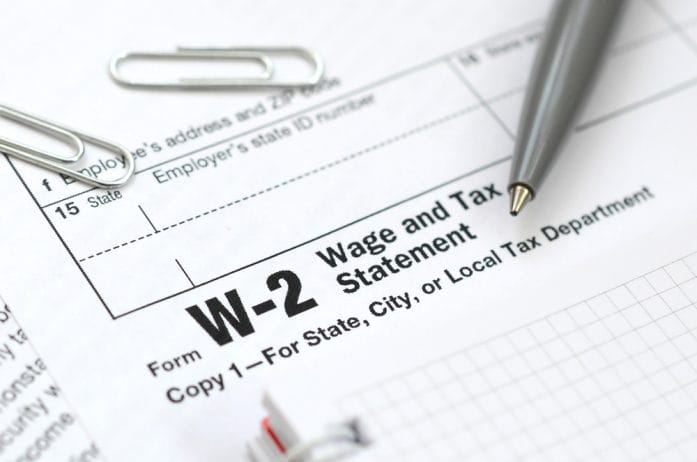
Several key documents create the majority of refund freezes when they go missing or arrive late, with W-2 forms ranking at the top of the list due to employer reporting requirements. Employers must send copies to both workers and the IRS, and any delay in that process immediately disrupts refund verification. Independent contractors face similar issues with 1099-NEC forms, especially when companies delay reporting or misclassify payments during busy payroll cycles. Health insurance reporting forms like 1095-A also trigger delays when taxpayers claim marketplace coverage credits that require exact reconciliation. Even retirement distributions reported on 1099-R forms can stall refunds if financial institutions submit incomplete or corrected versions after filing season begins.
Each missing document forces the IRS system to pause calculations until it confirms every income and deduction detail aligns across all databases. Tax credits tied to income levels, such as the Earned Income Tax Credit, often require additional verification steps that amplify delays when forms do not match perfectly. The system does not guess or estimate missing data, so it locks refunds until complete verification occurs from all reporting sources. Taxpayers often discover the issue only after checking IRS status tools, which rarely specify the exact missing form involved. That lack of transparency makes early prevention the strongest strategy for avoiding refund disruptions.
How to Avoid Refund Freezes and Speed Up Processing
Taxpayers reduce refund delays by collecting all expected forms before filing and comparing them against prior-year documents to ensure no income source goes unreported. Early filing helps, but accuracy matters more because rushing increases the chance of missing a form that later triggers a system hold. Many tax professionals recommend waiting until mid-February when most employers and institutions complete their reporting cycles to avoid incomplete submissions. Directly contacting employers or financial institutions before filing also prevents surprises when forms fail to arrive on time. Careful review of digital tax accounts and payroll portals adds another layer of protection against missing data.
When a refund freeze already occurs, proactive steps can shorten the delay significantly by contacting the issuing organization and requesting immediate re-submission of missing forms to the IRS. Taxpayers who respond quickly to IRS notices or verification requests often see faster resolution times compared to those who wait for automatic updates. Keeping copies of all submitted documents also helps resolve disputes when mismatched records create confusion during processing. The IRS system eventually releases funds once all records align, but active follow-up often accelerates that outcome. Staying organized and responsive turns a frustrating delay into a manageable correction process rather than a prolonged financial setback.
What steps help prevent tax refund delays most effectively, and have unexpected paperwork issues ever slowed down your refund?
You May Also Like…
Refunds Are Being Frozen Over Missing Bank Details—And Some Filers Won’t Get Paid for Weeks
South Carolina Newcomers Are Paying Higher Property Taxes Until Homestead Eligibility Kicks In
Selling a Long-Term Home Can Lead to Capital Gains Taxes—Even for Retirees
Texas Has No Income Tax — But Property Taxes Can Get Close To 2% in Some Areas
Retirement Accounts Are Triggering Unexpected Taxes — What Some Investors Overlook

Brandon Marcus is a writer who has been sharing the written word since a very young age. His interests include sports, history, pop culture, and so much more. When he isn’t writing, he spends his time jogging, drinking coffee, or attempting to read a long book he may never complete.
.png)
Leave a Reply