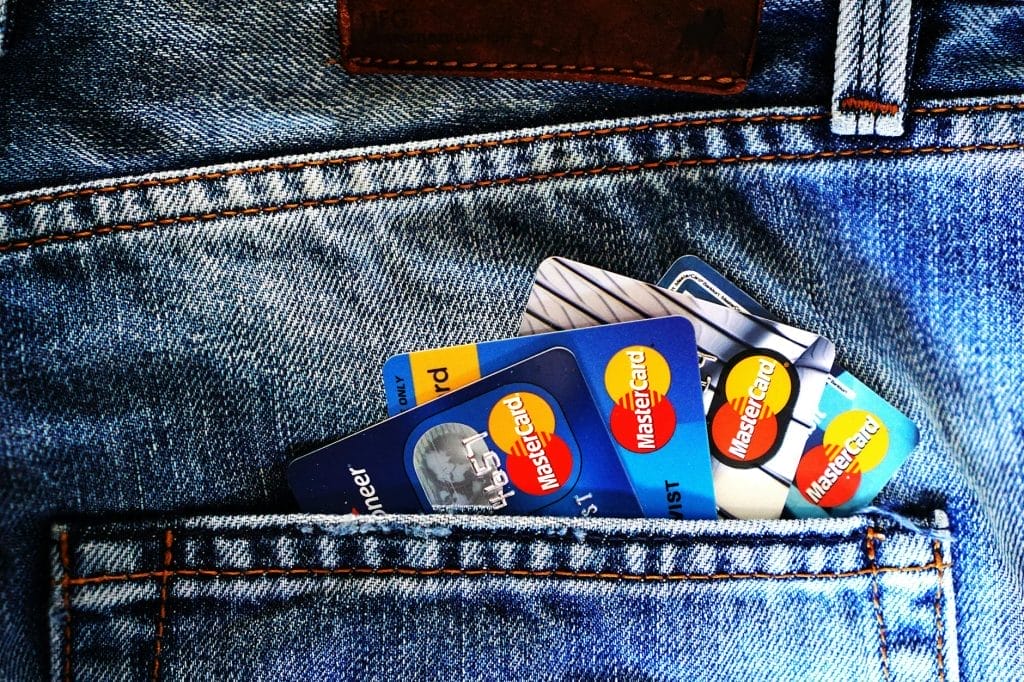
Thinking about closing an old, unused credit card? You might assume it’s a smart move—one less card to worry about, right? But before you call your issuer, it’s important to understand how this decision can affect your financial health. Your credit score is more sensitive to changes than many realize, and closing a credit card can have ripple effects. For many people, keeping old accounts open is actually better for their credit profile. Let’s look at why closing an old, unused credit card can wreck your credit score and what you should consider before making a move.
1. Credit Utilization Ratio Gets Worse
Your credit utilization ratio is a key factor in your credit score. This ratio compares your total credit card balances to your total available credit. When you close an old, unused credit card, you reduce your available credit, which can cause your utilization rate to jump—even if your spending stays the same. For example, if you have $5,000 in total credit limits and carry $1,000 in balances, your utilization is 20%. Close a card with a $2,000 limit, and suddenly your utilization jumps to 33%.
Credit scoring models like FICO prefer utilization below 30%, and ideally under 10%. Higher utilization can signal to lenders that you’re a riskier borrower, which can drag down your score. That’s why keeping old cards open, even if you don’t use them, can actually help keep your credit utilization—and your credit score—in better shape.
2. Shortens Your Credit History
Length of credit history is another important piece of your credit score. Lenders like to see that you’ve managed credit responsibly over time. When you close an old credit card, you risk shortening the average age of your accounts. This can especially hurt if the card you’re closing is your oldest account.
While closed accounts may stay on your credit report for several years, they eventually drop off, and your average account age can take a hit. A shorter credit history can make you look less experienced with credit, which can lower your credit score. The longer your credit history, the better your score tends to be.
3. Fewer Accounts Mean Less Credit Diversity
Credit scoring models reward diversity in the types of credit you use. This could include credit cards, installment loans, mortgages, and more. By closing an old, unused credit card, you reduce the number of revolving accounts on your credit report. Less diversity can be a negative if you don’t have many other accounts.
Maintaining a mix of credit types shows lenders you can handle different forms of borrowing. Even if you don’t use your old card much, just having it open contributes to your overall credit profile. If you’re considering a major loan in the future, like a mortgage, keeping more accounts open could help your case.
4. Potential Loss of Positive Payment History
Positive payment history is the backbone of a strong credit score. If you’ve had an old card for years and always paid on time, that account is helping your score. Closing it won’t erase the history right away, but eventually, closed accounts fall off your credit report—usually after 7-10 years.
When that happens, you lose the benefit of those on-time payments in your credit score calculation. If your other accounts are newer or have less positive history, your credit score could dip when the old account disappears. In short, closing an old, unused credit card means you’re eventually giving up a valuable piece of your financial track record.
5. Unintended Effects on Future Credit Applications
Planning to apply for a loan, car financing, or even a new apartment? Closing an old credit card can lower your credit score just when you need it to be at its best. Lenders and landlords often use your score to judge your reliability. Even a small drop can make a difference in the terms you’re offered—or whether you’re approved at all.
Many people don’t realize that the impact of closing a card can stay with them for months or even years. If you’re thinking about making a big financial move, keeping your old, unused credit card open could work in your favor.
How to Handle Old, Unused Credit Cards Wisely
Now that you know why closing an old, unused credit card can wreck your credit score, you might be wondering what to do with those dormant accounts. If the card doesn’t have an annual fee and isn’t posing a security risk, consider leaving it open. You can use it for a small recurring charge (like a streaming subscription) to keep it active, then pay it off in full every month. This way, you maintain a healthy credit utilization ratio and preserve your long credit history.
If you’re worried about fraud or can’t resist the temptation to overspend, look for ways to secure the card, like lowering the credit limit or keeping the card in a safe place. The bottom line: keeping your old, unused credit card open is often the smarter choice for your credit score.
Have you ever closed an old credit card and noticed a change in your credit score? Share your experience or questions in the comments below!
What to Read Next…
- 5 Things That Instantly Decrease Your Credit Score By 50 Points
- The Benefits Of Taking Personal Loans And Their Impact On Credit Scores
- 7 Credit Card Features Disappearing Without Any Notice
- Why Are More Seniors Ditching Their Credit Cards Completely
- 6 Credit Card Perks That Come With Under The Radar Stringent Conditions

Travis Campbell is a digital marketer/developer with over 10 years of experience and a writer for over 6 years. He holds a degree in E-commerce and likes to share life advice he’s learned over the years. Travis loves spending time on the golf course or at the gym when he’s not working.
.png)
Leave a Reply