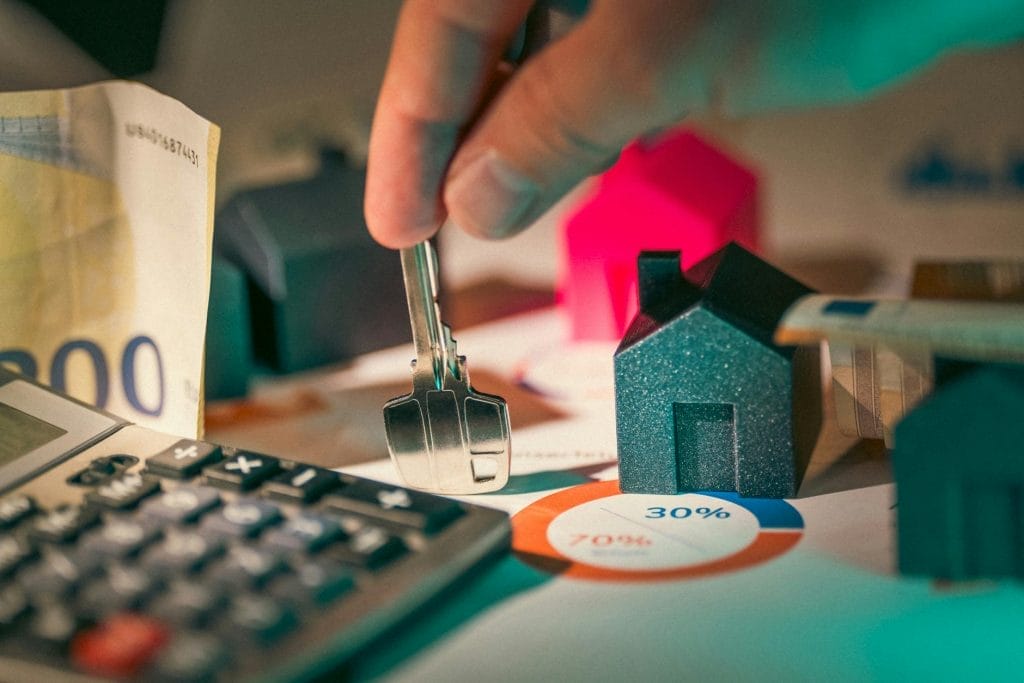
Buying a home is a major milestone and a huge financial commitment. While you probably budgeted for your mortgage, down payment, and maybe even property taxes, other expenses quietly multiply after buying a home. These costs can surprise even the most prepared buyers, making it harder to stick to your budget or save for the future. Knowing what to expect helps you avoid financial stress and keeps your homeownership journey on track. Let’s examine six expenses that often increase after you move into your new place.
1. Property Taxes
Property taxes are a recurring expense that tends to increase over time. When you first buy your home, you might estimate taxes based on the seller’s previous bills. However, after a sale, local governments often reassess the value of your property. This reassessment can result in a higher tax bill than you expected. Even if rates stay the same, rising property values in your area will likely push your taxes up year after year.
It’s important to check how your locality handles reassessments and budget for increases. Many homeowners discover that their property taxes increase gradually after purchasing a home, especially in rapidly growing neighborhoods or cities with regular rate hikes. If your mortgage payment includes an escrow for taxes, you might see your monthly bill increase, too.
2. Home Maintenance and Repairs
When you own a home, you can’t call the landlord when something breaks. Routine maintenance like HVAC servicing, gutter cleaning, and pest control all add up. Unexpected repairs—such as leaky roofs, broken appliances, or plumbing issues—often occur at the worst possible times.
Maintenance costs quietly accumulate after buying a home, as the older your house becomes, the more work it requires. Experts often recommend budgeting at least 1% of your home’s value each year for repairs and upkeep. If you bought a fixer-upper or an older property, that number could be much higher. Don’t forget about landscaping, which can become a significant annual cost, especially if you hire help.
3. Homeowners Insurance
Most lenders require you to carry homeowners insurance, but the initial quote you get isn’t always the final word. Premiums can rise every year, especially if you file a claim or if your area is prone to storms, fires, or other risks. Insurance companies may also increase rates due to inflation or changes in coverage requirements.
Optional coverages, such as flood or earthquake insurance, can further add to your costs. These extras may seem unnecessary at first, but as you settle in, you might realize you need more protection than you thought. Comparing rates each year and inquiring about discounts can be helpful, but it’s also smart to plan for potential premium increases over time.
4. Utility Bills
Utility bills are often higher for homeowners than renters. You might be heating and cooling a larger space, running more appliances, or watering a lawn. Older homes in particular may have poor insulation or outdated systems that guzzle energy and water. If you add features like a pool, hot tub, or extra refrigerator, expect your bills to jump even more.
Utility costs quietly multiply after buying a home because your usage patterns change, and utility rates can rise without warning. Investing in energy-efficient upgrades can help, but those improvements come with their own upfront costs. Tracking your usage and shopping for better rates where possible can keep your bills in check.
5. HOA Fees and Special Assessments
If your new home is in a community with a homeowner’s association (HOA), you’re on the hook for monthly or annual fees. These fees can increase with little notice as the HOA covers rising maintenance costs or upgrades to shared amenities. Sometimes, special assessments are levied for large projects, such as roof replacements or major landscaping.
HOA fees are one of those expenses that quietly multiply after buying a home. Even if the fees seem reasonable at first, make sure you understand the community’s financial health and history of special assessments. Read meeting notes and budgets to gain insight into what might be coming down the road.
6. Furnishings and Decor
Moving into a bigger space often means you need more furniture and decor. That empty guest room or extra living area won’t stay empty for long. Curtains, rugs, light fixtures, and wall art all add up quickly. Even if you plan to furnish slowly, sales and seasonal trends can tempt you to spend more than you anticipated.
These purchases often multiply after buying a home, as your tastes and needs evolve. Hosting holidays, having guests, or just wanting to make your space feel like home can drive ongoing spending. Setting a separate budget for furnishings can help you avoid overspending in the first year.
Staying Ahead of Multiplying Homeownership Expenses
It’s easy to focus on your mortgage payment and forget about the other expenses that quietly multiply after buying a home. But being aware of these hidden costs makes a big difference. Building a realistic budget that includes property taxes, maintenance, insurance, utilities, HOA fees, and furnishings will help you avoid surprises.
What home expenses have surprised you most after buying a home? Share your experience in the comments below!
What to Read Next…
- How Homeowners Associations Are Targeting Retirees With Fines
- 10 Items That Could Void Your Homeowners Insurance Instantly
- 5 Emergency Repairs That Could Force You Into Debt Overnight
- Are These 7 Little Expenses Quietly Costing You Thousands A Year?
- 7 Hidden Fees That Aren’t Labeled As Fees At All

Travis Campbell is a digital marketer/developer with over 10 years of experience and a writer for over 6 years. He holds a degree in E-commerce and likes to share life advice he’s learned over the years. Travis loves spending time on the golf course or at the gym when he’s not working.
.png)
Leave a Reply