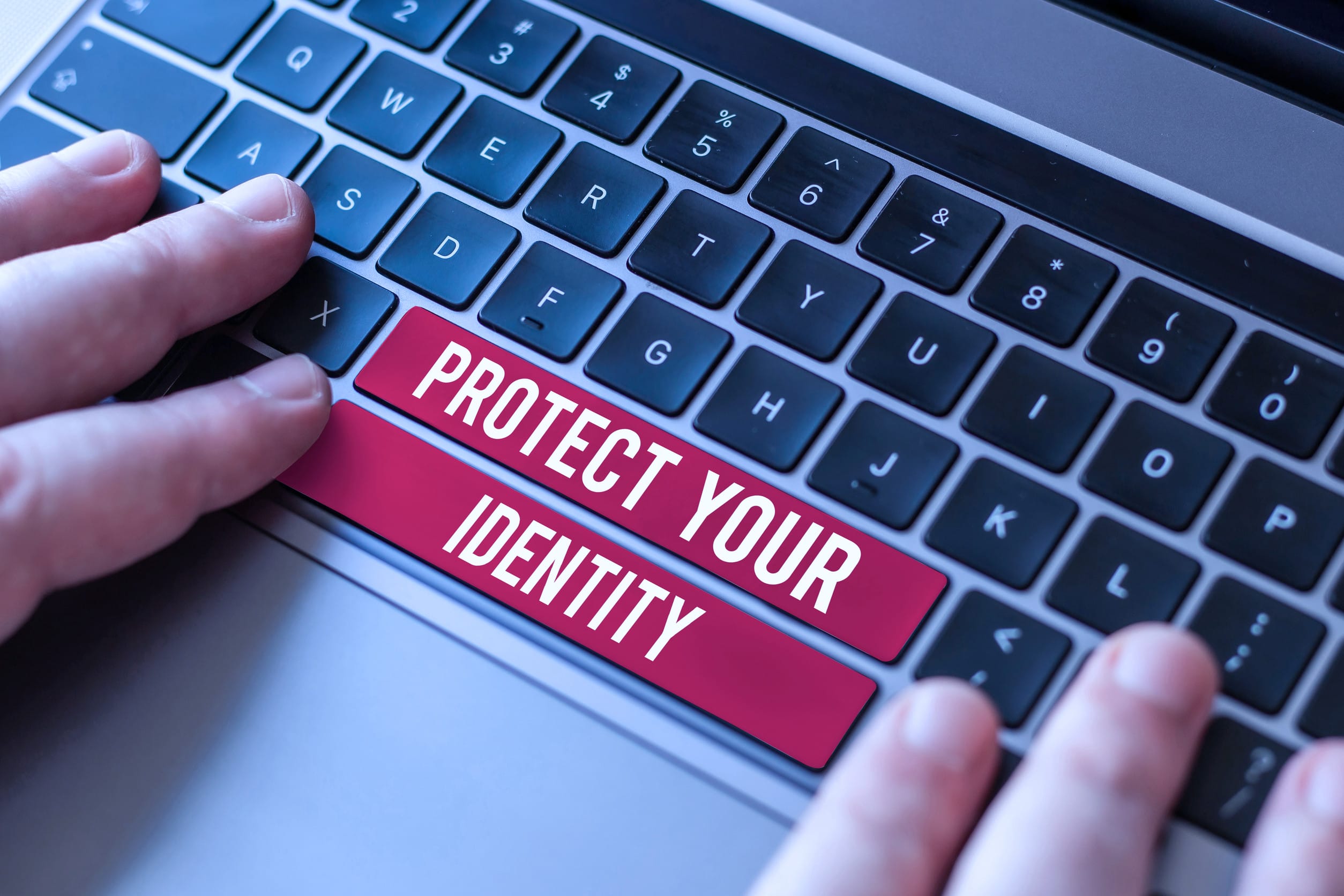
Once you hit your 40s, chances are you’ve got a solid online footprint, a decent credit score, and a lot to protect—which makes you the perfect target for identity thieves. And while many people assume it’s shopping sites or social media that pose the biggest risk, your inbox may be the real weak spot. Every year, cybercriminals refine their tactics, and one wrong click can expose your personal and financial information in seconds. That’s why it’s important to recognize the email habits that make you a target for identity theft after 40. Here are eight habits to ditch before your inbox becomes your biggest liability.
1. Using the Same Password for Multiple Accounts
Reusing passwords is one of the riskiest email habits that make you a target for identity theft after 40. If a hacker gains access to one of your accounts in a data breach, they can try the same password on your email, banking, or shopping accounts. Unfortunately, many adults reuse passwords for convenience, especially when juggling work, family, and financial responsibilities. Once your email is compromised, criminals can intercept password reset emails and lock you out of other accounts. A password manager can help you create and store strong, unique passwords for every login.
2. Clicking Links Without Double-Checking the Sender
Phishing scams are getting more convincing, and clicking on a malicious link is still one of the easiest ways to get hacked. Emails that look like they’re from your bank, utility company, or favorite retailer can be fake, with small tweaks in the sender’s email address. One careless click can lead to fake login pages, malware downloads, or even ransomware. This is one of the most common email habits that make you a target for identity theft after 40, especially for people juggling busy schedules. Always verify the sender before clicking and go directly to the company’s website when in doubt.
3. Leaving Old Emails with Sensitive Info in Your Inbox
Think of your inbox like a filing cabinet—would you leave your Social Security number or tax documents lying around in there? Many people do just that without realizing it. If your inbox holds old emails with tax returns, medical records, or banking info, you’re giving cybercriminals a goldmine if your account is ever hacked. Regularly clean out your inbox and store important documents offline or in secure cloud storage. Holding onto sensitive information in email is one of the overlooked email habits that make you a target for identity theft after 40.
4. Ignoring Two-Factor Authentication
Two-factor authentication (2FA) adds a second layer of security to your email account, yet many users still haven’t turned it on. After 40, you likely have access to more financial accounts, employer systems, and online services that connect to your primary email. That makes protecting your inbox even more critical. With 2FA, even if someone gets your password, they still need a code from your phone or an app to log in. It’s a simple step that can block most unauthorized access attempts and reduce your exposure dramatically.
5. Opening Emails from Unknown Senders “Just to See”
Curiosity may have killed the cat, but it also compromises thousands of inboxes every day. Opening suspicious emails—even without clicking links—can confirm to scammers that your address is active. That opens the floodgates for more targeted phishing attempts and scam messages. Many people in their 40s receive emails related to mortgages, college savings, or retirement planning, and scammers know how to tailor messages to these interests. One of the email habits that make you a target for identity theft after 40 is thinking it’s harmless to take a peek.
6. Auto-Saving Email Addresses and Login Info in Browsers
Allowing your browser to auto-fill your email credentials may feel convenient, but it’s also a security risk—especially if your device is lost or hacked. Anyone with access to your device can easily get into your email and see everything from credit card receipts to travel confirmations. This is particularly dangerous if you’re also saving login info for banking or healthcare portals. Turn off auto-fill for sensitive accounts and log in manually whenever possible. This small change can protect you from one of the riskiest email habits that make you a target for identity theft after 40.
7. Using Work Email for Personal Accounts
Mixing work and personal email use is a bad idea at any age, but after 40, it’s especially risky. If you lose access to your job’s email system or change employers, you could be locked out of personal subscriptions, financial accounts, or online services. Even worse, if a company’s email server is compromised, your personal life is suddenly exposed too. Always keep personal and professional communications separate to minimize your vulnerability. It may be less convenient, but it’s a smarter long-term move.
8. Not Monitoring Your Email for Unusual Activity
Many people assume their email is fine as long as they can log in. But identity thieves often access email accounts without changing passwords so they can quietly monitor your activity. Look out for login notifications, new forwarding rules, or emails marked as read when you haven’t opened them. These are signs someone else could be watching your inbox. Failing to monitor your email regularly is one of the most damaging email habits that make you a target for identity theft after 40.
Take Control Before Someone Else Does
Cybercriminals know that people over 40 often have more assets, responsibilities, and digital accounts than younger users. That’s exactly why they’re targeting your inbox. By ditching these common email habits that make you a target for identity theft after 40, you can drastically reduce your risk and protect your personal and financial future. Security doesn’t require paranoia—it just takes awareness, routine updates, and a few smart habits.
Have you changed your email habits in recent years to stay safer online? What tips or tools do you rely on? Share with us in the comments!
Read More:
Everyday Mistakes That Make You Vulnerable to Criminals
6 Financial Traps Retirees Walk Into Without Questioning

Catherine is a tech-savvy writer who has focused on the personal finance space for more than eight years. She has a Bachelor’s in Information Technology and enjoys showcasing how tech can simplify everyday personal finance tasks like budgeting, spending tracking, and planning for the future. Additionally, she’s explored the ins and outs of the world of side hustles and loves to share what she’s learned along the way. When she’s not working, you can find her relaxing at home in the Pacific Northwest with her two cats or enjoying a cup of coffee at her neighborhood cafe.
Leave a Reply