• Home
  • About Us
  • Toolkit
  • Getting Finances Done
    • Hiring Advisors
    • Debt Management
    • Spending Plan
  • Insurance
    • Life Insurance
    • Health Insurance
    • Disability Insurance
    • Homeowners/Renters Insurance
  • Contact Us
  • Privacy Policy
  • Risk Tolerance Quiz

The Free Financial Advisor

You are here: Home / Archives for Outdated skills

13 Outdated Skills That Defined the 80s Workforce

June 4, 2024 by Vanessa Bermudez Leave a Comment

outdated skills

Canva

Ah, the 80s. A time of big hair, synth music, and a workforce that relied on skills that might make today’s employees scratch their heads. As technology has evolved, many skills that were once essential have become obsolete. Let’s take a nostalgic look back at thirteen crucial skills in the 80s that have since faded into obscurity.

1. Operating a Fax Machine
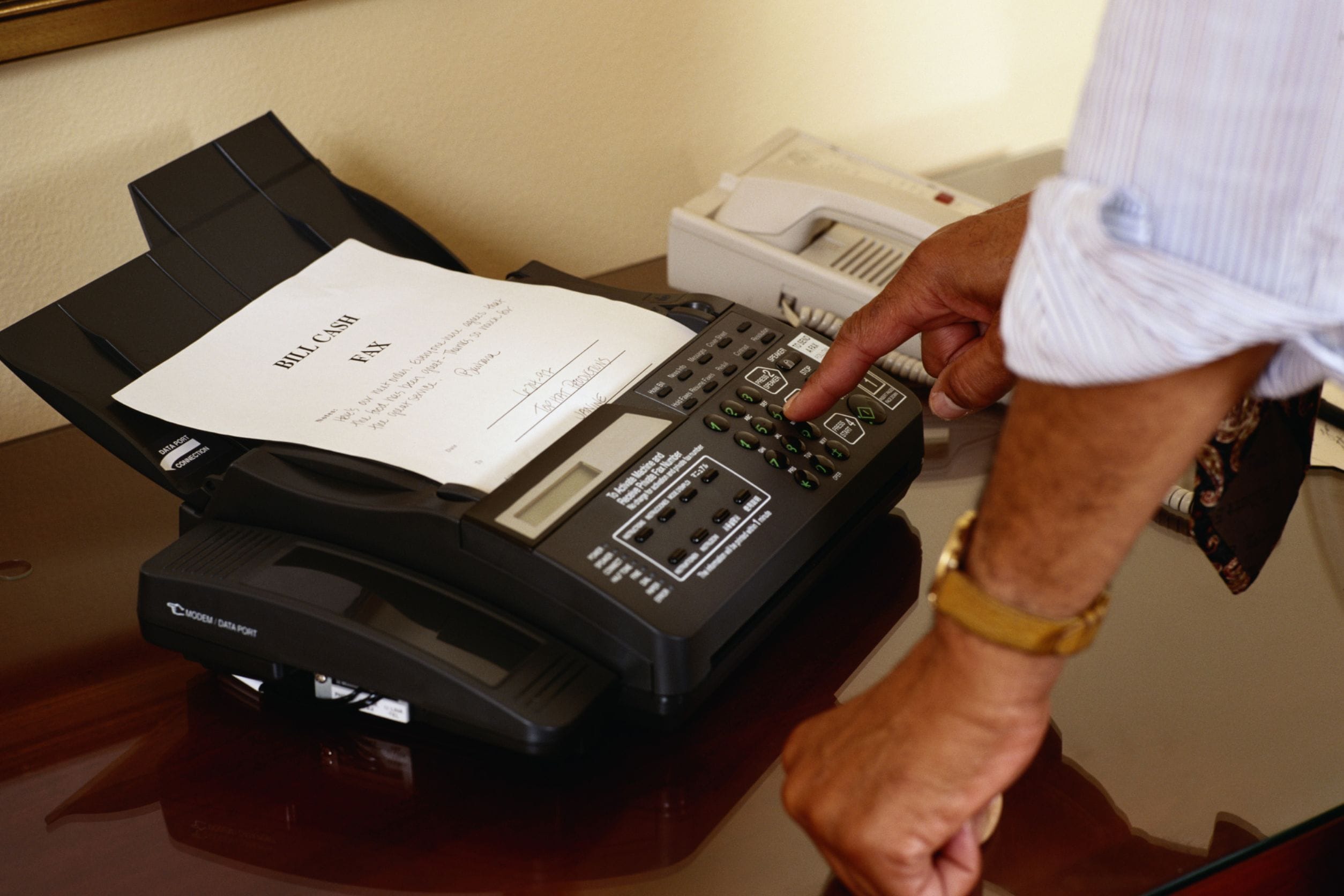
Operating a Fax Machine

Canva

Fax machines were the go-to device for sending documents quickly across distances. Understanding how to operate one was essential, from feeding in the paper to dialing the correct number. The screech of a fax connection was a familiar sound.

Despite their reliability, fax machines have been largely replaced by email and other digital communication tools. Now, the fax machine sits in the corner, gathering dust, a relic of a bygone era.

2. Filing Papers Manually

Filing Papers Manually

Canva

Before the digital age, filing cabinets were the heart of any office. Workers needed to know how to organize, label, and store documents efficiently. A well-maintained filing system was crucial for retrieving important information quickly. This skill required a good memory and meticulous attention to detail.

Now, digital databases and cloud storage have made manual filing almost obsolete. The physical act of rifling through papers is a thing of the past.

3. Typing on a Typewriter
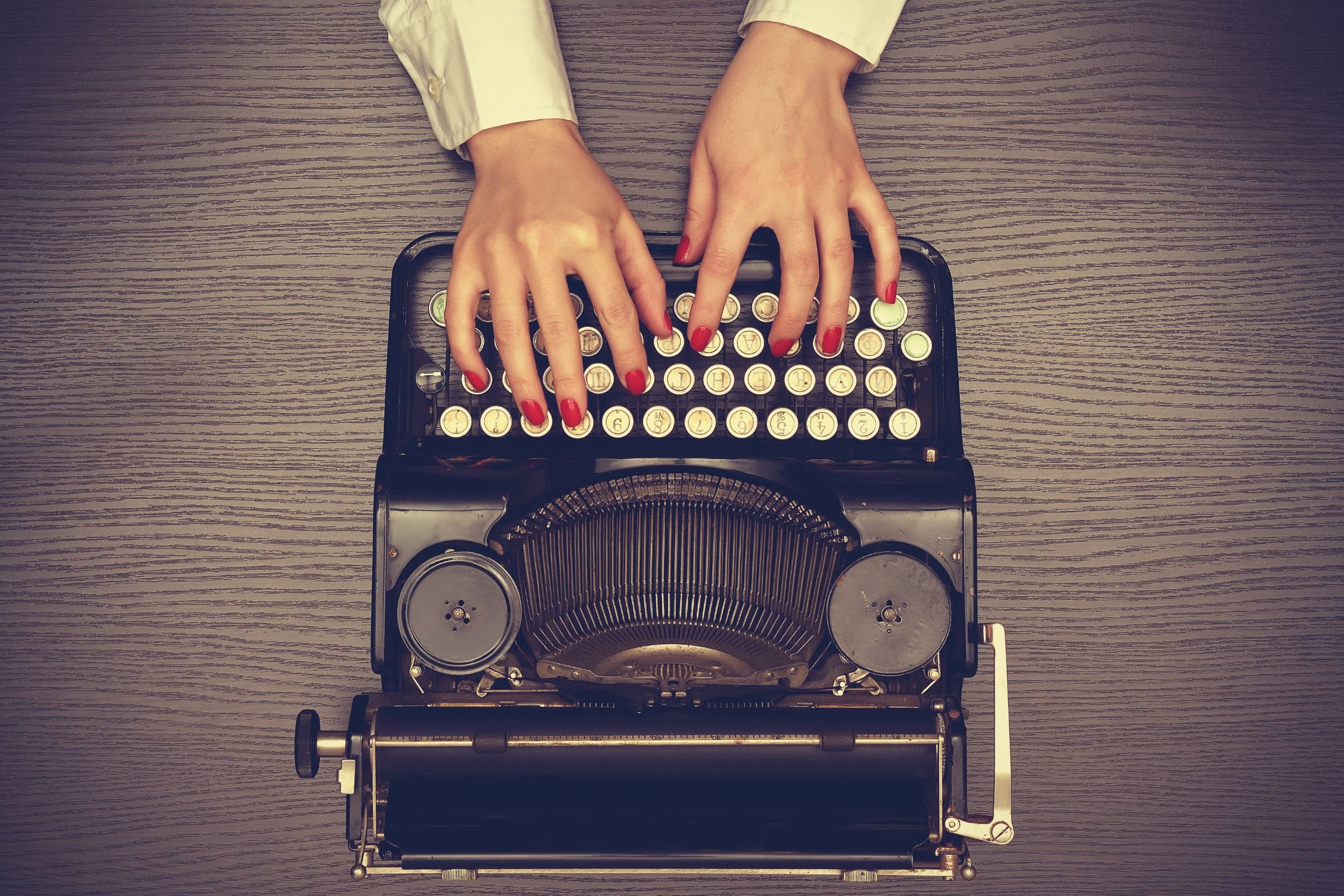
Typing on a Typewriter

Canva

In the 80s, mastering the typewriter was a must for office workers. Typists had to be fast and accurate, with no backspace key to fix mistakes. Each keystroke needed precision, and correction fluid was a typist’s best friend. The clacking sound of typewriter keys was the soundtrack of many offices.

Today, the typewriter is a vintage relic, replaced by computers and word processors. While typing remains important, the medium has changed drastically.

4. Using a Rolodex
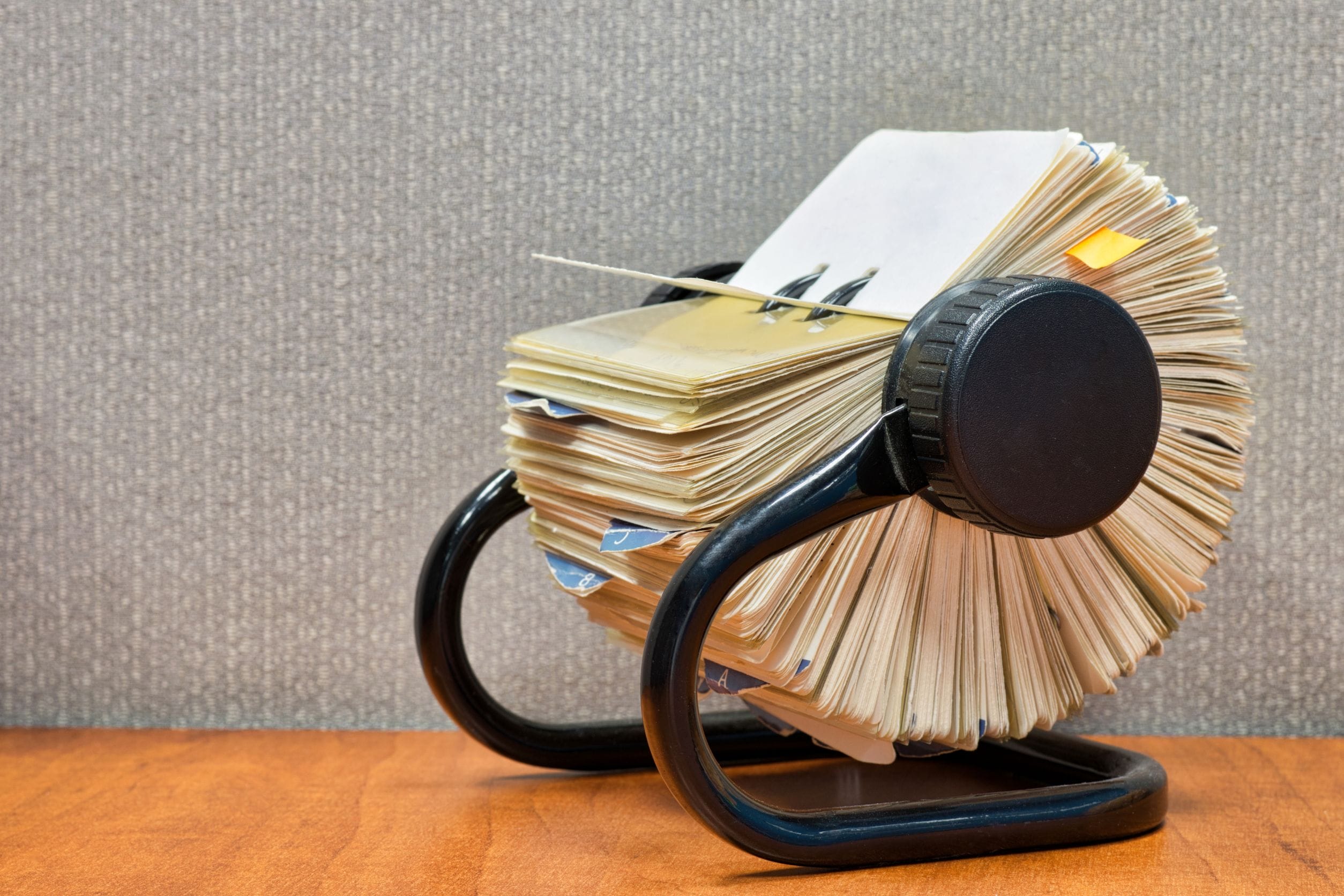
Using a Rolodex

Canva

Before digital contacts and CRM systems, professionals relied on Rolodexes to keep track of their connections. These rotating card files held contact information and were a staple on every desk. Keeping a Rolodex updated was an ongoing task, requiring regular maintenance. It was an art to quickly find the right contact card in a sea of names.

Today, smartphones and digital address books have made the Rolodex obsolete. The once-essential tool is now a nostalgic artifact.

5. Balancing a Ledger

Balancing a Ledger

Canva

Accountants and business owners spent hours manually balancing ledgers. This process involved recording transactions by hand, ensuring that credits and debits matched perfectly. A single mistake could mean hours of tedious recalculations.

Modern accounting software has automated these tasks, making manual ledger balancing a lost art. While financial accuracy remains vital, the tools to achieve it have evolved significantly.

6. Reading a Paper Map
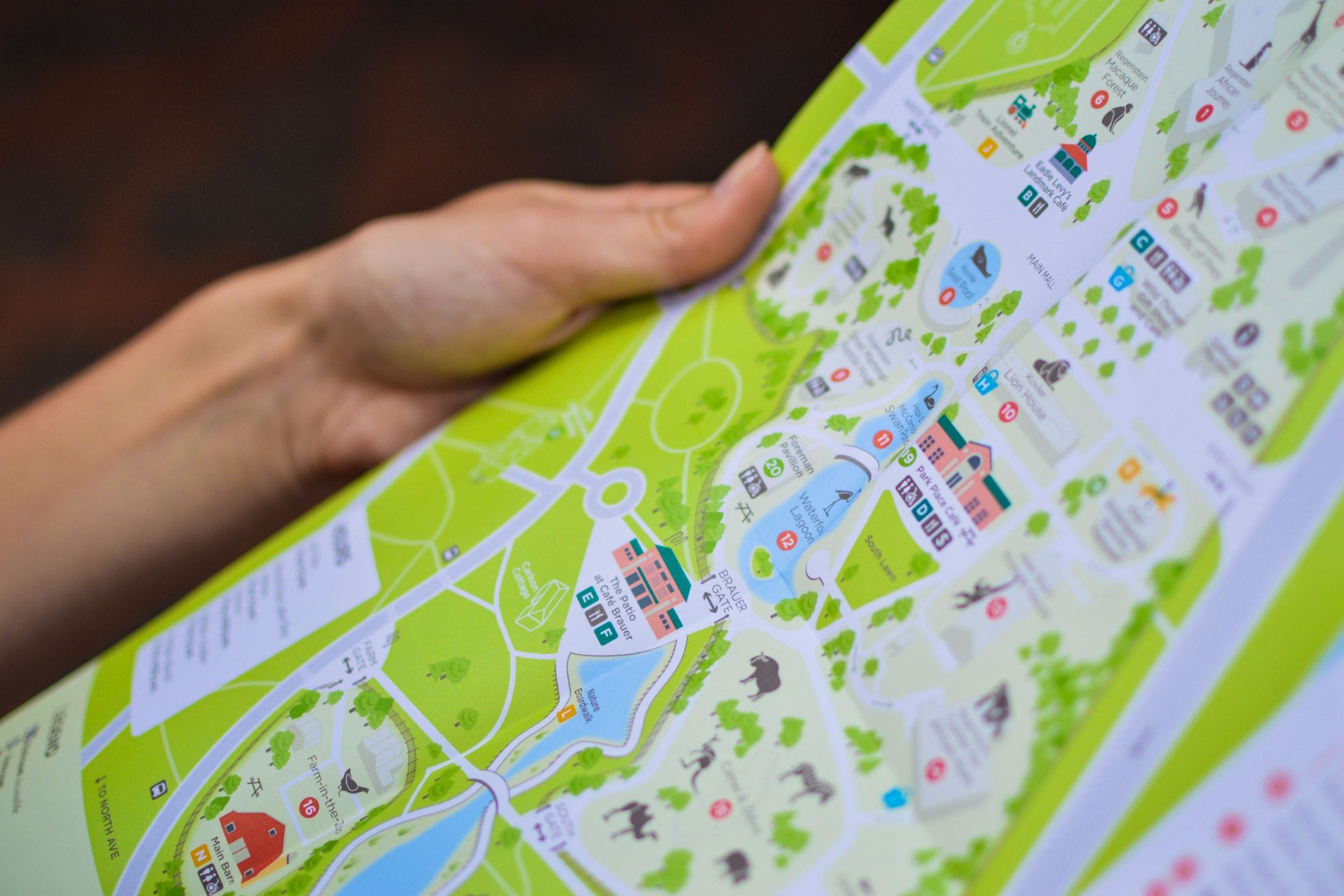
Reading a Paper Map

Canva

Navigating with a paper map was a critical skill, especially for salespeople and delivery drivers. Unfolding a large map and plotting a route required patience and a good sense of direction. One wrong turn could mean being lost for hours.

GPS and digital maps have rendered paper maps nearly obsolete, providing real-time directions and traffic updates. Now, getting from point A to B is as simple as following a voice prompt.

7. Using Carbon Copy Paper

Using Carbon Copy Paper

Canva

Carbon copy paper allowed workers to duplicate documents as they wrote or typed. It was an essential tool for creating multiple copies of contracts, receipts, and forms. Handling it could be messy, with ink smudges a common problem.

Digital duplication and printing have replaced the need for carbon paper. Today, making copies is a clean, one-click process, and the carbon copy paper is a forgotten office supply.

8. Developing Film

Developing Film

Canva

In the 80s, photography required a keen understanding of film development. This skill involved using darkrooms, chemicals, and precise timing to produce photos from negatives. Photographers had to be meticulous, as mistakes could ruin an entire roll of film.

The rise of digital photography has all but eliminated the need for film development skills. Today, we capture, edit, and share photos instantly, with no darkroom required.

9. Operating a Switchboard
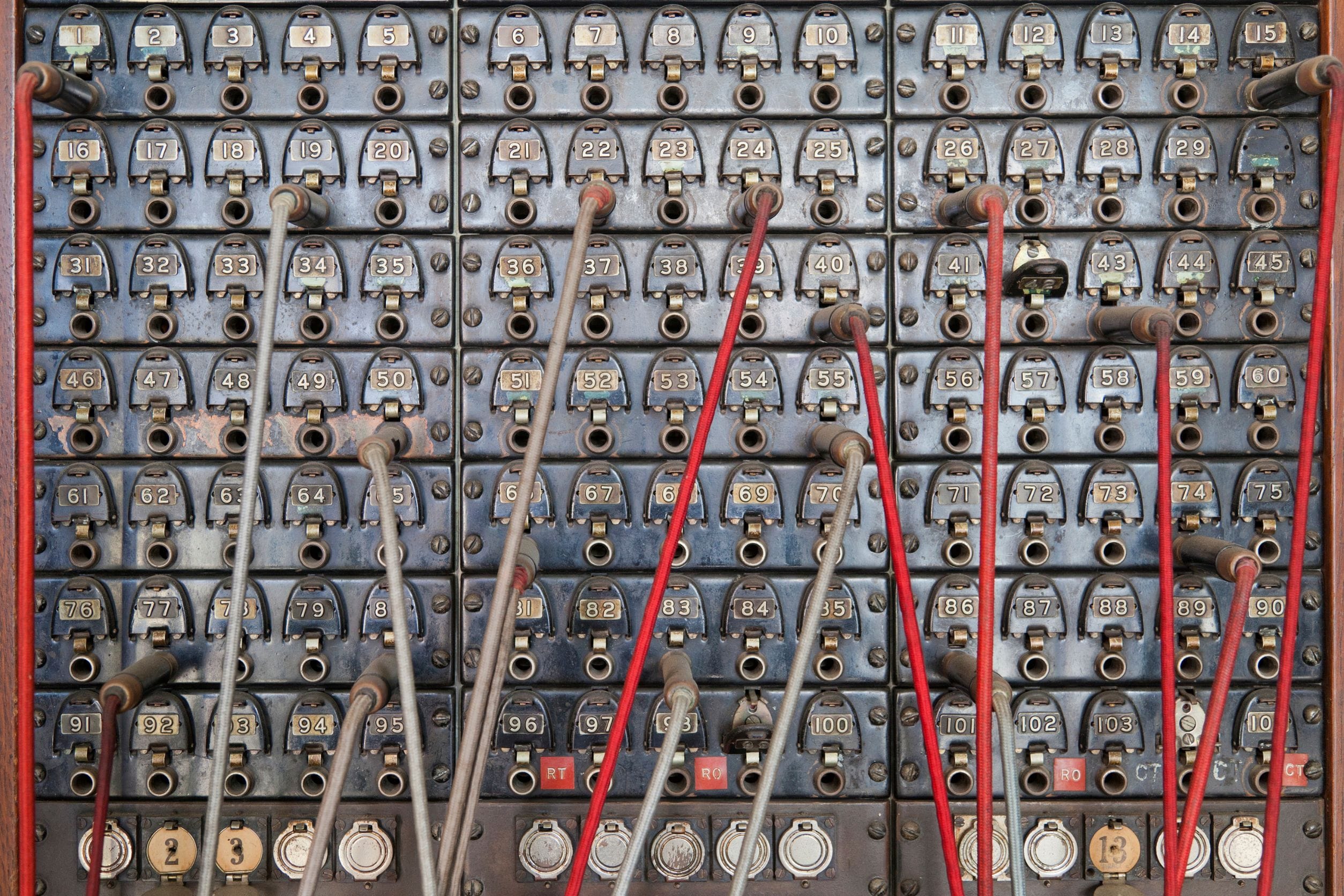
Operating a Switchboard

Canva

Switchboard operators were the lifeline of office communication, connecting calls manually. They needed to be quick, efficient, and courteous, managing multiple lines simultaneously. Plugging and unplugging cables was a skill that required coordination and concentration.

Modern phone systems and automated attendants have replaced switchboard operators. The once-critical role has been phased out by advanced telecommunication technology.

10. Dictation and Shorthand

Dictation and Shorthand

Canva

Taking dictation and writing in shorthand were essential skills for secretaries and assistants. This involved quickly transcribing spoken words into written form using a special system of symbols. Shorthand allowed for fast note-taking, which is crucial in meetings and for drafting correspondence.

Today, digital recorders and voice-to-text software have made these skills largely unnecessary. The speed and accuracy of shorthand are now achieved with technology.

11. Repairing Office Machines
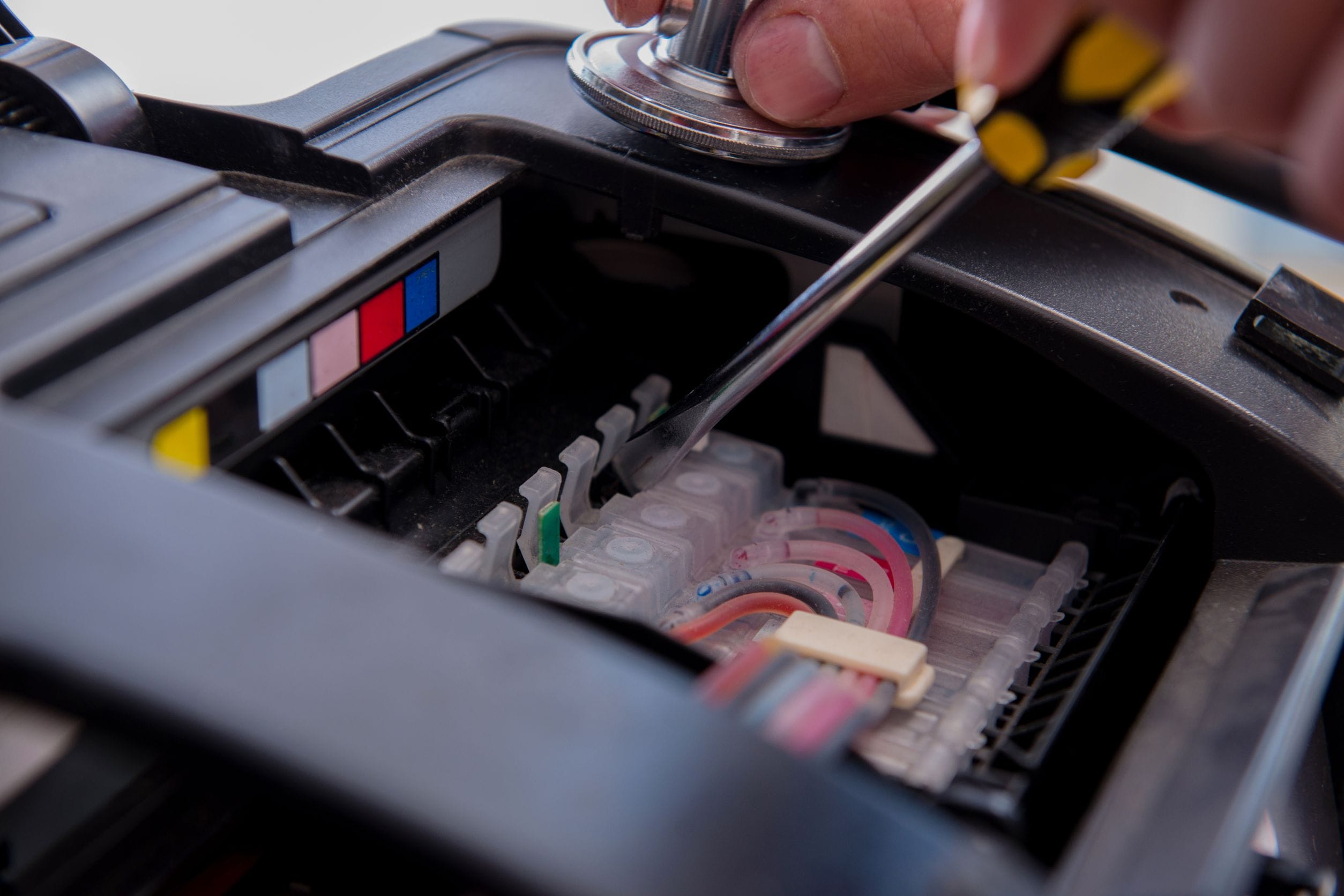
Repairing Office Machines

Canva

Being handy with office machines, like copiers and printers, was a valuable skill. Workers often needed to troubleshoot and fix jams or malfunctions themselves. Having a basic understanding of these machines kept the office running smoothly.

Now, many offices rely on service contracts and specialized technicians for repairs. The average worker rarely needs to get their hands dirty with machine maintenance.

12. Using an Overhead Projector
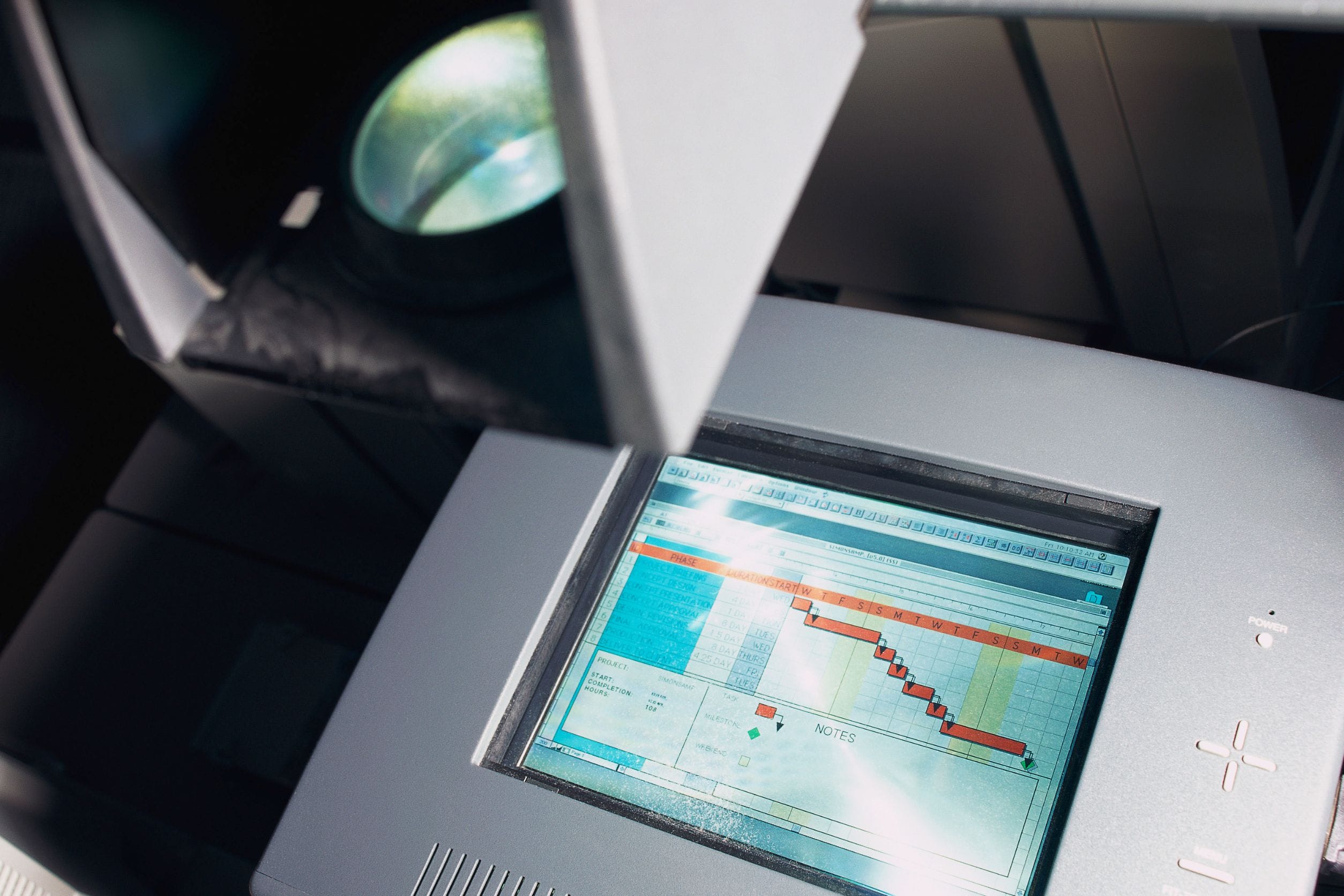
Using an Overhead Projector

Canva

Overhead projectors were a staple for presentations and meetings. Knowing how to operate one, including focusing on the image and changing transparencies, was crucial. Presenters had to ensure their slides were clear and legible.

Digital projectors and presentation software like PowerPoint have replaced overhead projectors. Presentations are now more dynamic and visually engaging, making the overhead projector a museum piece.

13. Operating a Telex Machine
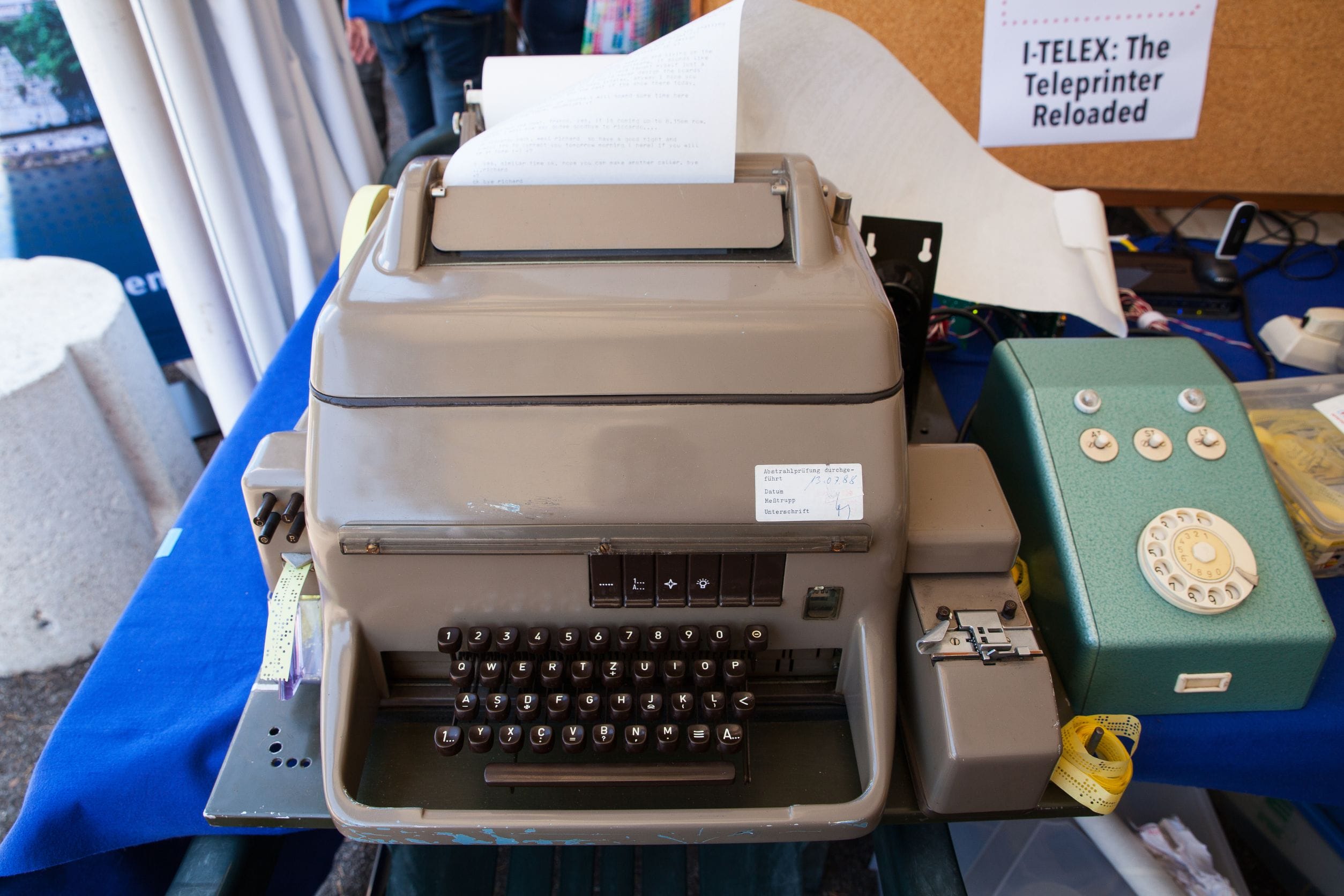
Operating a Telex Machine

Canva

Telex machines were an early form of electronic communication used to send typed messages over long distances. They required a specific skill set to operate, including knowing the telex code and managing the machine’s mechanics. This technology was essential for international business communication.

Email and instant messaging have completely replaced telex machines. The concept of telex is now a fascinating footnote in the history of communication.

From Relics to Reminiscence
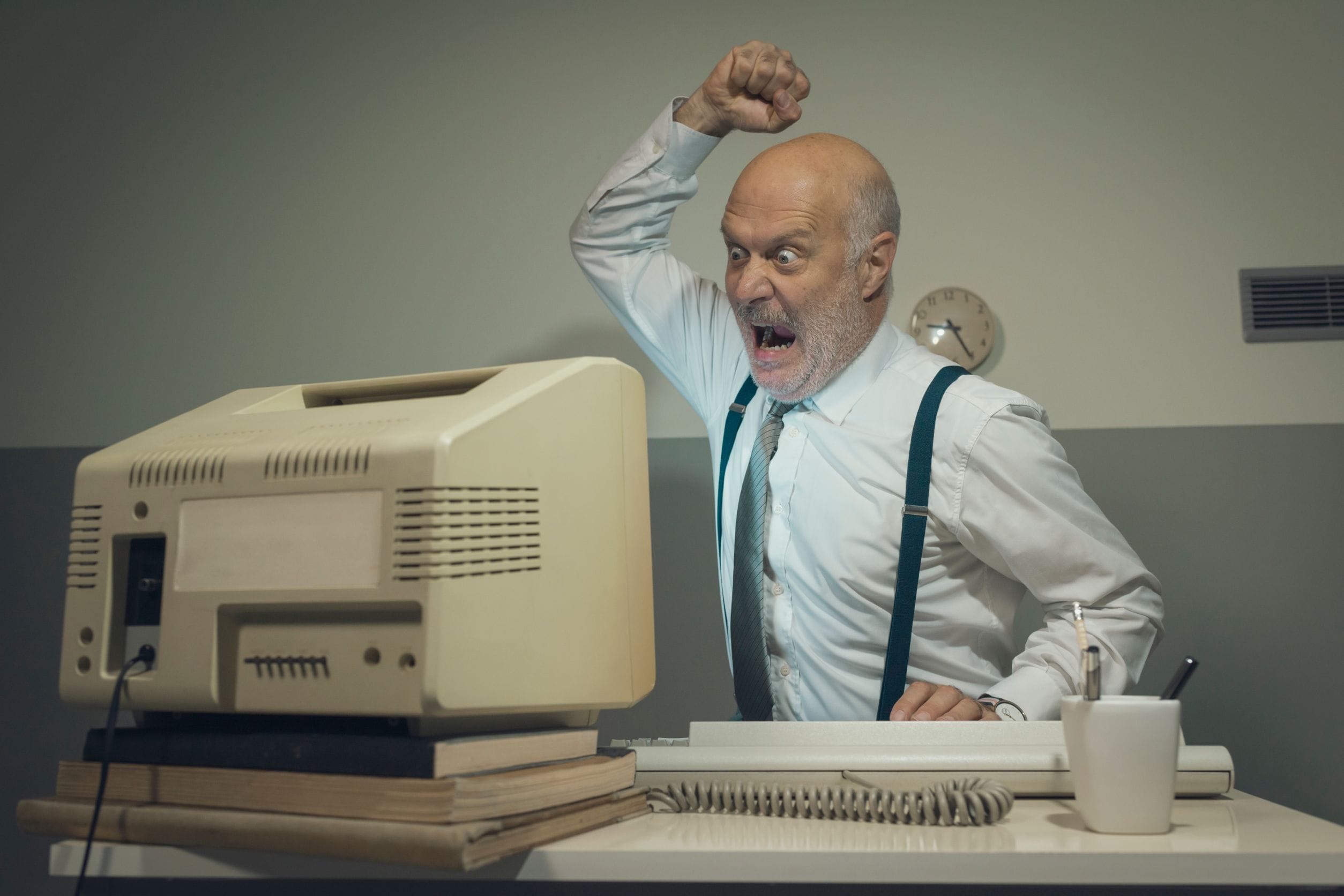
From Relics to Reminiscence

Canva

The 80s workforce was defined by skills that seem quaint by today’s standards. While technology has rendered many of these abilities obsolete, they paved the way for the advancements we enjoy now. From typewriters to telex machines, these skills were the backbone of a different era.

It’s fascinating to see how far we’ve come and to appreciate the tools that once made the workplace tick. Embrace the nostalgia and marvel at the rapid pace of change. Who knows what skills we’ll be reminiscing about in another few decades?

Vanessa Bermudez
Vanessa Bermudez
Vanessa Bermudez is a content writer with over eight years of experience crafting compelling content across a diverse range of niches. Throughout her career, she has tackled an array of subjects, from technology and finance to entertainment and lifestyle. In her spare time, she enjoys spending time with her husband and two kids. She’s also a proud fur mom to four gentle giant dogs.

Filed Under: Career Tagged With: 80s Workforce, Office Nostalgia, Outdated skills, Retro Technology, Workplace Evolution

11 Outdated Skills That Were Once Cutting-Edge

June 3, 2024 by Stephen Kanaval Leave a Comment

Sewing machine

unsplash

As technology rapidly evolves, skills that were once essential for daily life and professional success can quickly become obsolete. These skills, though no longer in widespread use, laid the foundation for many of the modern conveniences we take for granted today.

Reflecting on these outdated skills offers a fascinating glimpse into how far we’ve come and underscores the relentless march of innovation. In this article, we explore 11 skills that were once cutting-edge but are now largely relics of the past, highlighting the contrast between then and now.

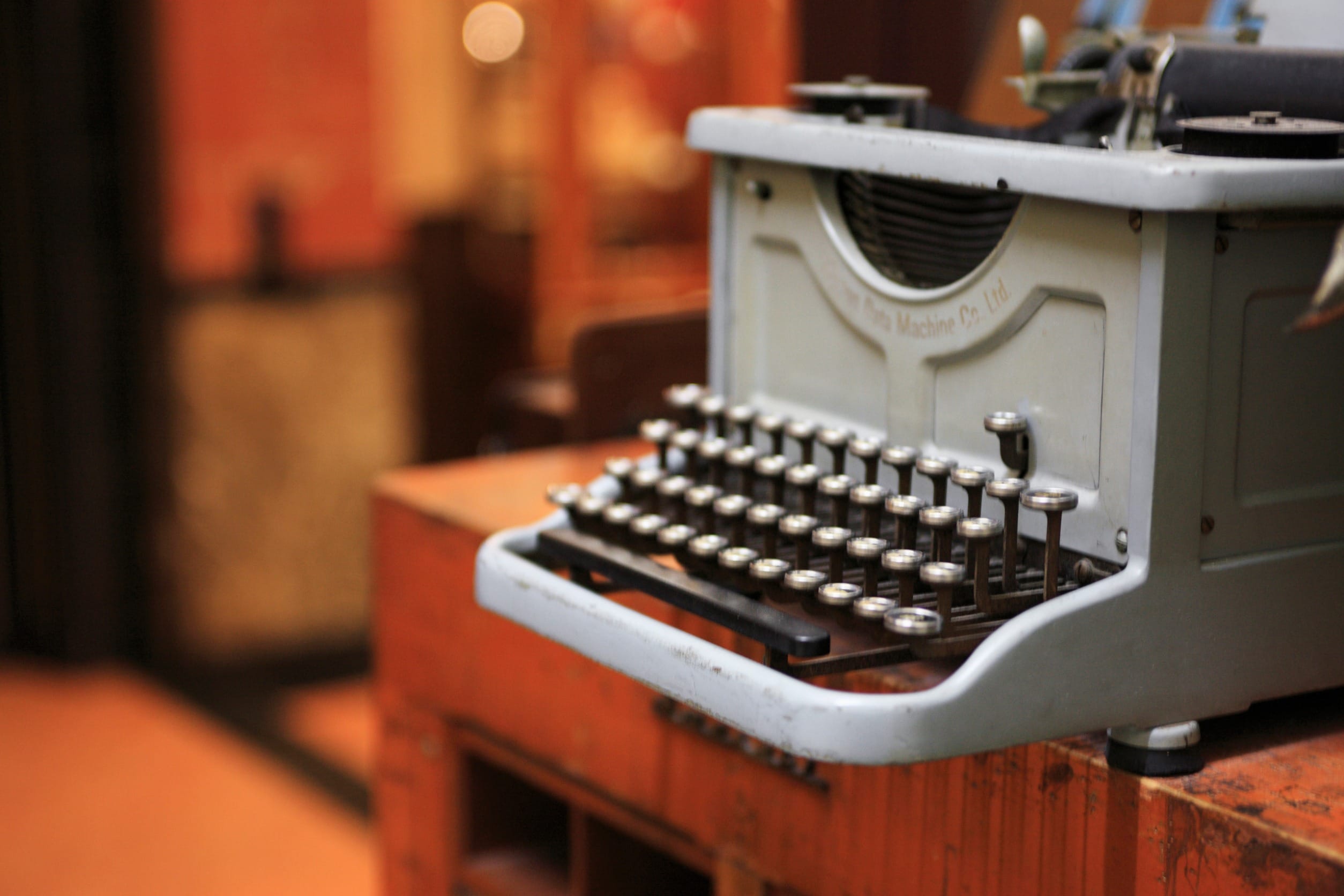
1. Typing on a Typewriter

Typewriter

123rf

Typewriters were the epitome of office efficiency in the 20th century. Mastering the typewriter was a necessary skill for secretaries and writers alike. Each clack of the keys marked progress, but today’s keyboards have replaced these once indispensable machines.

The advent of computers and word-processing software rendered typewriters obsolete, yet their legacy remains in the nostalgic clicks and clacks of mechanical keyboards favored by some. As technology advanced, the need for physical paper trails diminished, making typewriters a relic of a bygone era.

2. Navigating with a Map and Compass

Map and compass

unsplash

Before GPS became ubiquitous, mastering map and compass navigation was essential for travelers, hikers, and explorers. This skill demanded a thorough understanding of topography and orientation. Today, digital maps and GPS devices provide real-time location data, simplifying navigation to a few screen taps.

While the basics of using a compass remain relevant for survivalists, the average person rarely relies on these tools. The transition from physical maps to digital interfaces underscores our shift toward convenience and real-time data.

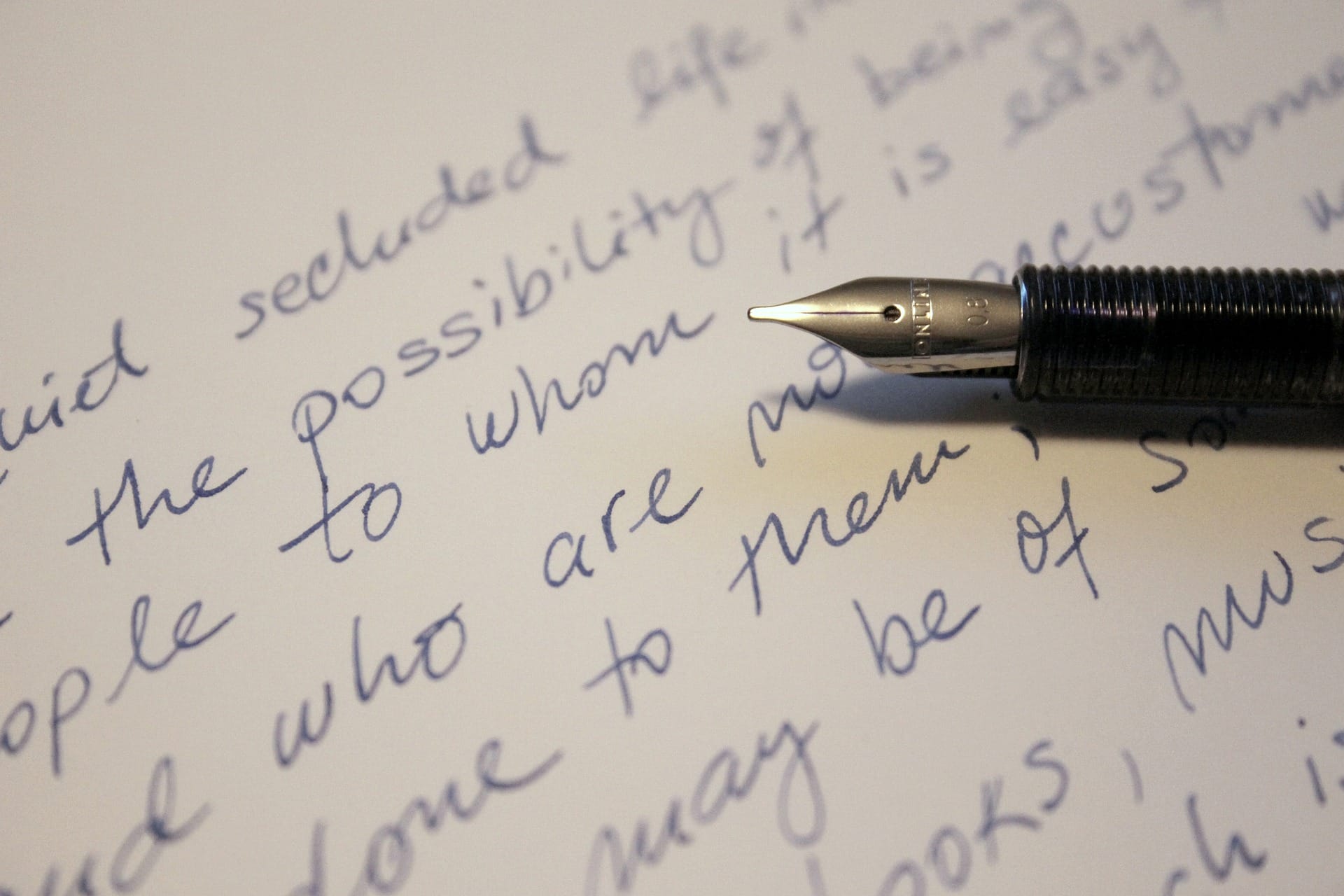
3. Handwriting in Cursive

Cursive

pixabay

Cursive handwriting was once a hallmark of a good education, symbolizing sophistication and literacy. Schools dedicated hours to teaching students the elegant loops and swirls of cursive writing. However, the rise of digital communication has diminished the importance of this skill.

Today, typing and texting dominate, and many schools have phased out cursive from their curriculums. Despite its decline, cursive retains a certain charm and is still used in signatures and decorative writing, reminding us of its historical significance.

4. Operating a Manual Transmission

manual transmission

unsplash

Driving a stick shift was once a rite of passage, especially in regions where manual cars were predominant. Understanding the intricacies of clutch control and gear shifting provided a sense of connection between the driver and the machine. However, automatic transmissions have largely taken over, offering convenience and ease of use.

While manual cars are still cherished by automotive enthusiasts for their performance benefits, the majority of drivers today opt for automatics. This shift highlights our preference for ease and accessibility in everyday tasks.

5. Developing Film Photography

Developing photos

123rf

The art of developing photographs in a darkroom was a meticulous process that required both skill and patience. Photographers needed to master techniques like exposure, developing times, and chemical mixing. The digital photography revolution has all but eliminated the need for these darkroom skills.

Instant image review and editing software have replaced the time-consuming darkroom processes. Despite this, film photography has seen a resurgence among hobbyists who appreciate its aesthetic and tactile qualities, preserving the craft in a niche market.

6. Making Phone Calls on a Rotary Dial

Rotary

pixabay

Rotary dial phones, with their distinctive circular design, were once the standard in homes and offices. Mastering the technique of dialing numbers without making mistakes was a basic skill. Today, smartphones and touch screens have rendered rotary phones obsolete.

The transition to digital communication has made dialing as simple as tapping a contact’s name. While rotary phones are now considered vintage items, they remind us of a time when communication required patience and precision.

7. Using a Card Catalog in a Library

Card catalogue

123rf

Card catalogs were the gateway to finding information in libraries before the digital age. Users had to understand the Dewey Decimal System and navigate through countless index cards. Modern library systems have digitized these records, allowing instant searches and easy access to materials.

While card catalogs have been phased out, their legacy lives on in the meticulous organization of digital databases. This evolution reflects our desire for efficiency and the seamless retrieval of information.

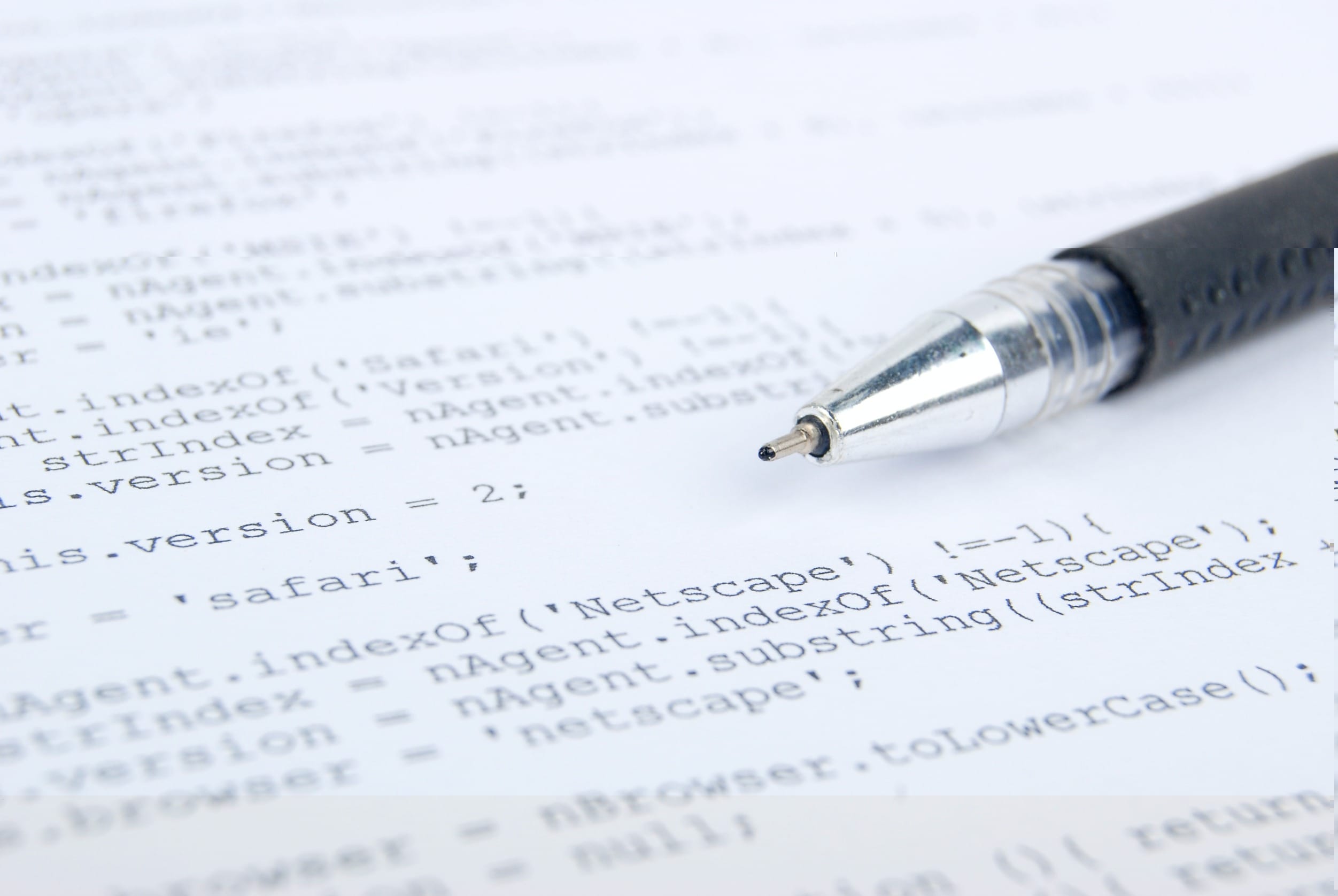
8. Programming in Assembly Language

Programming

123rf

In the early days of computing, assembly language programming was a fundamental skill for developers. This low-level language allowed programmers to write instructions that the computer’s hardware could execute directly, requiring a deep understanding of the machine’s architecture and memory management.

Each line of code translated into a specific machine instruction, making the process both intricate and time-consuming. However, this provided unparalleled control and efficiency, which was crucial for the limited computing power available at the time.

As high-level programming languages like Python, Java, and C++ gained popularity, the need for assembly language knowledge diminished. These newer languages abstracted much of the hardware complexity, allowing developers to focus on solving problems rather than managing system resources.

This shift democratized programming, making it accessible to a broader audience and accelerating software development. Despite this, assembly language remains relevant in specialized fields such as embedded systems, where performance and efficiency are paramount, and in game development, where fine-tuning hardware performance is often necessary. Its continued use in these niches underscores the balance between simplicity and control that assembly language offers.

9. Using a Slide Rule

Slide rule

123rf

Before electronic calculators became ubiquitous, the slide rule was the quintessential tool for engineers, scientists, and students. This analog device, often made of wood or plastic, allowed for quick and accurate calculations, ranging from basic arithmetic to complex logarithmic functions. Mastery of the slide rule required understanding its scales and the ability to perform precise manipulations, which were critical skills for problem-solving in technical fields.

The advent of electronic calculators and, subsequently, digital devices, rendered the slide rule obsolete almost overnight. These new tools provided faster, more accurate calculations with less effort, freeing up intellectual resources for more creative and analytical tasks. Today, the slide rule serves as a historical artifact, a tangible reminder of the ingenuity and precision that characterized pre-digital engineering and scientific practices.

10. Transcribing Shorthand

Shorthand

unsplash

Shorthand was once an indispensable skill for secretaries, court reporters, and journalists. This symbolic writing method enabled rapid note-taking by using a system of abbreviations and symbols to represent common words and phrases. Mastery of shorthand allowed for the efficient recording of information during fast-paced meetings or dictations, ensuring that no detail was lost.

With the rise of digital recorders and voice-to-text software, the necessity of shorthand has dramatically declined. These technologies offer speed and accuracy, allowing for real-time transcription and easy sharing of recorded content. Typing and digital transcription tools have become the standard, providing a seamless way to capture and distribute information.

While shorthand still holds value in certain professions, its widespread use has diminished significantly. The transition to digital tools reflects our ongoing pursuit of efficiency and accuracy in information management, making shorthand a specialized skill rather than a general necessity.

11. Repairing Vacuum Tubes

Vacuum tubes

unsplash

Vacuum tubes were once the backbone of electronic devices, from radios to early computers. Understanding how to test and repair these components was crucial for technicians. The invention of the transistor and later the integrated circuit revolutionized electronics, making vacuum tubes nearly obsolete.

Modern electronics are more reliable and compact, reducing the need for manual repairs. However, vacuum tube technology still finds use in specific areas like high-end audio equipment, where enthusiasts appreciate its unique sound quality.

Times Keep Changing

phone booth

unsplash

The rapid pace of technological advancement continually reshapes the skills we consider essential. While many once-cutting-edge skills have faded into obscurity, they lay the groundwork for the innovations we enjoy today. Understanding this evolution helps us appreciate the ingenuity of the past and prepare for the future. Stay curious and adaptable, and you’ll be ready to embrace the next wave of technological progress.

Stephen Kanaval
Stephen Kanaval

Stephen began his career as a Research Assistant at a reputable middle-market private equity firm, where he honed his skills in market research, financial analysis, and identifying investment opportunities. He then transitioned to full-time financial writing focusing on small-cap biotech innovation and digital payment solutions. Today, Stephen is a value-based retail investor and novice baseball statistician.

Filed Under: Productivity Tagged With: Careers of the past, Obsolete skills, Outdated skills

FOLLOW US

Search this site:

Recent Posts

  • Can My Savings Account Affect My Financial Aid? by Tamila McDonald
  • 12 Ways Gen X’s Views Clash with Millennials… by Tamila McDonald
  • What Advantages and Disadvantages Are There To… by Jacob Sensiba
  • 10 Tactics for Building an Emergency Fund from Scratch by Vanessa Bermudez
  • Call 911: Go To the Emergency Room Immediately If… by Stephen Kanaval
  • 7 Weird Things You Can Sell Online by Tamila McDonald
  • 10 Scary Facts About DriveTime by Tamila McDonald

Copyright © 2026 · News Pro Theme on Genesis Framework