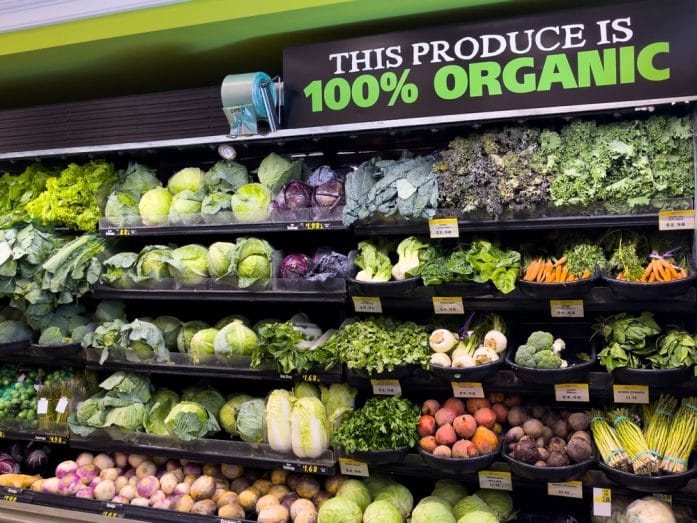
Grocery receipts across the country continue to stretch budgets, but shoppers in California notice a sharper twist in 2026: produce costs now shape the entire grocery bill more than almost any other category. Fresh fruits and vegetables once anchored affordable, healthy eating, yet rising transportation costs, weather disruptions, and shifting agricultural supply chains now push those same items into premium territory. Walk into any grocery store in Los Angeles, Sacramento, or San Diego, and the sticker shock hits hardest in the produce aisle first.
A simple basket of apples, leafy greens, and berries now competes with pre-packaged meals on price in ways that feel upside down compared to just a few years ago. Shoppers now adjust entire meal plans around what looks reasonable on the shelf rather than what sounds healthy on paper.
Why Produce Prices Carry Extra Weight in California Grocery Budgets
Produce prices hit harder in California because the state supplies a massive share of the nation’s fruits and vegetables while also facing intense climate pressure on agriculture. Drought cycles, water restrictions, and wildfire impacts continue to affect crop yields across major farming regions, which forces tighter supply and higher wholesale prices. Transportation costs also rise as fuel prices fluctuate and distribution routes adjust around weather events and infrastructure delays. Grocery chains pass those costs along quickly because fresh produce cannot sit in storage the way packaged goods can. Shoppers feel every adjustment almost immediately on the shelf.
Local farmers’ markets often reflect the same pressure, even when shoppers expect better deals outside traditional grocery chains. Vendors adjust pricing weekly because harvest yields shift constantly based on temperature swings and water availability. A carton of berries or bunch of greens can vary significantly in price within a single month, even in the same neighborhood. Households across California now compare store flyers and market stalls more carefully than ever before. That constant comparison reflects a new reality where fresh food requires active budgeting instead of routine purchasing.
Grocery Habits Shift as Shoppers Rethink Fresh Food Choices
Many shoppers now rotate produce purchases instead of buying the same weekly staples, which creates a more flexible but less predictable grocery routine. Families swap out high-cost fruits like berries for more stable options like bananas or seasonal citrus when prices spike. Meal planning apps and budgeting tools now play a larger role in grocery decisions because small shifts in produce pricing can change weekly totals by noticeable amounts. Shoppers also stretch ingredients further by mixing fresh items with frozen vegetables to balance nutrition and cost. This strategy helps maintain healthier meals without locking into consistently high produce bills.
Retailers across California also notice a growing interest in store-brand produce bundles and discounted “imperfect” fruits and vegetables. These options reduce waste while giving shoppers access to fresh ingredients at lower price points. Families increasingly build meals around what stores discount that week instead of sticking to rigid shopping lists. That flexible approach helps budgets survive unpredictable price swings but requires more planning and creativity in the kitchen. Grocery shopping now feels less like a routine errand and more like a weekly strategy game.
Which Produce Items Are Driving the Biggest Price Swings
Certain produce categories now trigger the biggest changes in grocery totals, especially items with short shelf lives or high water demands. Berries often lead the list because they require delicate growing conditions and quick transportation, which raises costs when weather disrupts harvest schedules. Leafy greens also swing in price because they depend heavily on consistent irrigation and careful handling during transport. Avocados continue to surprise shoppers with periodic spikes tied to both supply shifts and international demand pressures. These fluctuations hit households in California especially hard because many diets rely heavily on fresh produce year-round.
Staple vegetables like potatoes and carrots remain more stable, but even those categories experience gradual upward pressure over time. Seasonal shifts now matter more than ever, since buying produce in peak harvest windows can save noticeable money. Grocery experts recommend tracking seasonal calendars and rotating meals based on peak availability rather than preference alone. That approach helps households reduce exposure to the most volatile price categories. The produce aisle now rewards timing as much as taste.

How Households Adjust Without Cutting Fresh Food Completely
Budget-conscious shoppers now combine several strategies to keep fresh food in their diets without overspending. Many households plan grocery trips around weekly sales flyers and prioritize stores that offer consistent discounts on produce bundles. Others mix grocery store purchases with farmers’ markets to balance cost, freshness, and variety. Meal prepping also plays a bigger role because cooking in batches reduces waste from perishable items that spoil quickly. These habits help families maintain nutrition while reducing exposure to sudden price spikes.
Across California, more shoppers also embrace flexible cooking styles that allow ingredient substitutions without changing entire recipes. A salad might shift from spinach to romaine depending on price, while smoothie ingredients rotate based on what costs less that week. This adaptability reduces frustration and keeps grocery budgets from breaking during high-cost periods. Households also report greater awareness of portion sizes and waste reduction, since every dollar spent on produce now carries more weight. The result creates a more intentional approach to food that prioritizes value without sacrificing freshness.
The Grocery Bill Now Reflects a Bigger Economic Reality
Grocery receipts in California now tell a broader story about climate pressure, supply chain shifts, and changing consumer habits. Produce no longer sits at the bottom of the budget hierarchy—it now drives the entire structure of weekly food spending. Households respond by adjusting shopping habits, experimenting with substitutions, and paying closer attention to seasonal availability. These changes reflect more than inflation; they reveal how closely food systems connect to environmental and economic forces. The grocery cart now functions as a snapshot of modern living costs.
What changes have made grocery shopping feel most different in 2026, and which produce items create the biggest surprises at checkout?
You May Also Like…
Pennsylvania Seniors Say Grocery Bills Still Haven’t Dropped Despite Slower Inflation
California Seniors Face Insurance Renewal Shock as Housing and Utility Costs Continue Climbing
California Prop 19 Alert: Why Heirs Are Receiving Supplemental Property Tax Bills
Why Do Families Spend More on Pets Than Groceries
Born Late in the Month? Seniors with Birthdays 21–31 Wait the Longest for May Social Security Checks

Brandon Marcus is a writer who has been sharing the written word since a very young age. His interests include sports, history, pop culture, and so much more. When he isn’t writing, he spends his time jogging, drinking coffee, or attempting to read a long book he may never complete.