• Home
  • About Us
  • Toolkit
  • Getting Finances Done
    • Hiring Advisors
    • Debt Management
    • Spending Plan
  • Insurance
    • Life Insurance
    • Health Insurance
    • Disability Insurance
    • Homeowners/Renters Insurance
  • Contact Us
  • Privacy Policy
  • Risk Tolerance Quiz

The Free Financial Advisor

You are here: Home / Archives for Financial Health

The Real Cost of Emotional Spending: How It Affects Your Wallet and Well-being

July 19, 2024 by Latrice Perez Leave a Comment

123rf

Emotional spending, also known as retail therapy, is a common response to stress, sadness, or even boredom. While it might offer temporary relief, the long-term consequences can be detrimental to both your financial health and overall well-being. Understanding the impact of emotional spending is crucial to breaking the cycle and making healthier financial decisions.

The Psychology Behind Emotional Spending

Emotional spending often stems from the desire to alleviate negative feelings or reward oneself. Shopping can trigger the release of dopamine, a feel-good hormone, providing a temporary boost in mood. However, this short-term satisfaction can lead to a habit of using shopping as a coping mechanism, resulting in unnecessary purchases and financial strain.

Financial Consequences of Emotional Spending

One of the most significant impacts of emotional spending is the strain it places on your finances. Unplanned and impulsive purchases can quickly add up, leading to increased credit card debt and depleted savings. Over time, this can hinder your ability to achieve financial goals, such as buying a home, saving for retirement, or creating an emergency fund.

Impact on Mental Health

123rf

While emotional spending might offer a brief sense of relief, it often leads to feelings of guilt, regret, and anxiety. The temporary high is followed by the realization of financial imprudence, which can exacerbate stress and negatively affect mental health. This cycle can create a feedback loop, where negative emotions lead to more spending, further deepening financial and emotional distress.

Identifying Triggers

To manage emotional spending, it’s essential to identify your triggers. Common triggers include stress, loneliness, boredom, and even happiness. By recognizing the situations or emotions that prompt you to spend, you can develop healthier coping strategies and reduce the urge to make impulsive purchases.

Developing Healthy Coping Mechanisms

Replacing emotional spending with healthier coping mechanisms is crucial for long-term well-being. Activities such as exercise, meditation, journaling, or talking to a friend can provide emotional relief without the financial cost. Finding alternative ways to cope with emotions helps break the cycle of using shopping as a source of comfort.

Creating a Budget

Establishing a budget can help you take control of your finances and reduce emotional spending. Allocate funds for essential expenses, savings, and discretionary spending. By setting limits and tracking your spending, you can make more informed financial decisions and avoid impulsive purchases that lead to regret.

Practicing Mindful Spending

Mindful spending involves being intentional and aware of your purchases. Before making a purchase, ask yourself if it’s necessary, if it fits within your budget, and how it will impact your financial goals. Practicing mindfulness can help you make better spending decisions and reduce the tendency to shop for emotional reasons.

Seeking Professional Help

If emotional spending is significantly impacting your finances and well-being, seeking professional help might be beneficial. Financial advisors can provide guidance on managing your money, while therapists can help address the underlying emotional issues driving your spending habits. Combining financial and emotional support can lead to a more balanced and healthy approach to spending.

Building a Support System

Having a support system in place can make it easier to manage emotional spending. Share your financial goals and challenges with trusted friends or family members who can offer encouragement and accountability. Support from others can help you stay focused on your goals and resist the urge to spend impulsively.

Emotional Spending

Emotional spending can have far-reaching effects on both your wallet and your well-being. By understanding the psychological drivers, identifying triggers, and developing healthier coping strategies, you can break the cycle of impulsive spending. Taking control of your finances and emotions not only improves your financial health but also enhances your overall quality of life.

Latrice Perez

Latrice is a dedicated professional with a rich background in social work, complemented by an Associate Degree in the field. Her journey has been uniquely shaped by the rewarding experience of being a stay-at-home mom to her two children, aged 13 and 5. This role has not only been a testament to her commitment to family but has also provided her with invaluable life lessons and insights.

As a mother, Latrice has embraced the opportunity to educate her children on essential life skills, with a special focus on financial literacy, the nuances of life, and the importance of inner peace.

Filed Under: budget tips Tagged With: budgeting, Coping Mechanisms, Emotional Spending, Financial Health, Financial Wellness, mental health, Mindful Spending, Retail Therapy

How to Improve Your Care Credit Approval Odds: Tips and Tricks

July 2, 2024 by Vanessa Bermudez Leave a Comment

How to Improve Your Care Credit Approval Odds Tips and Tricks

Canva

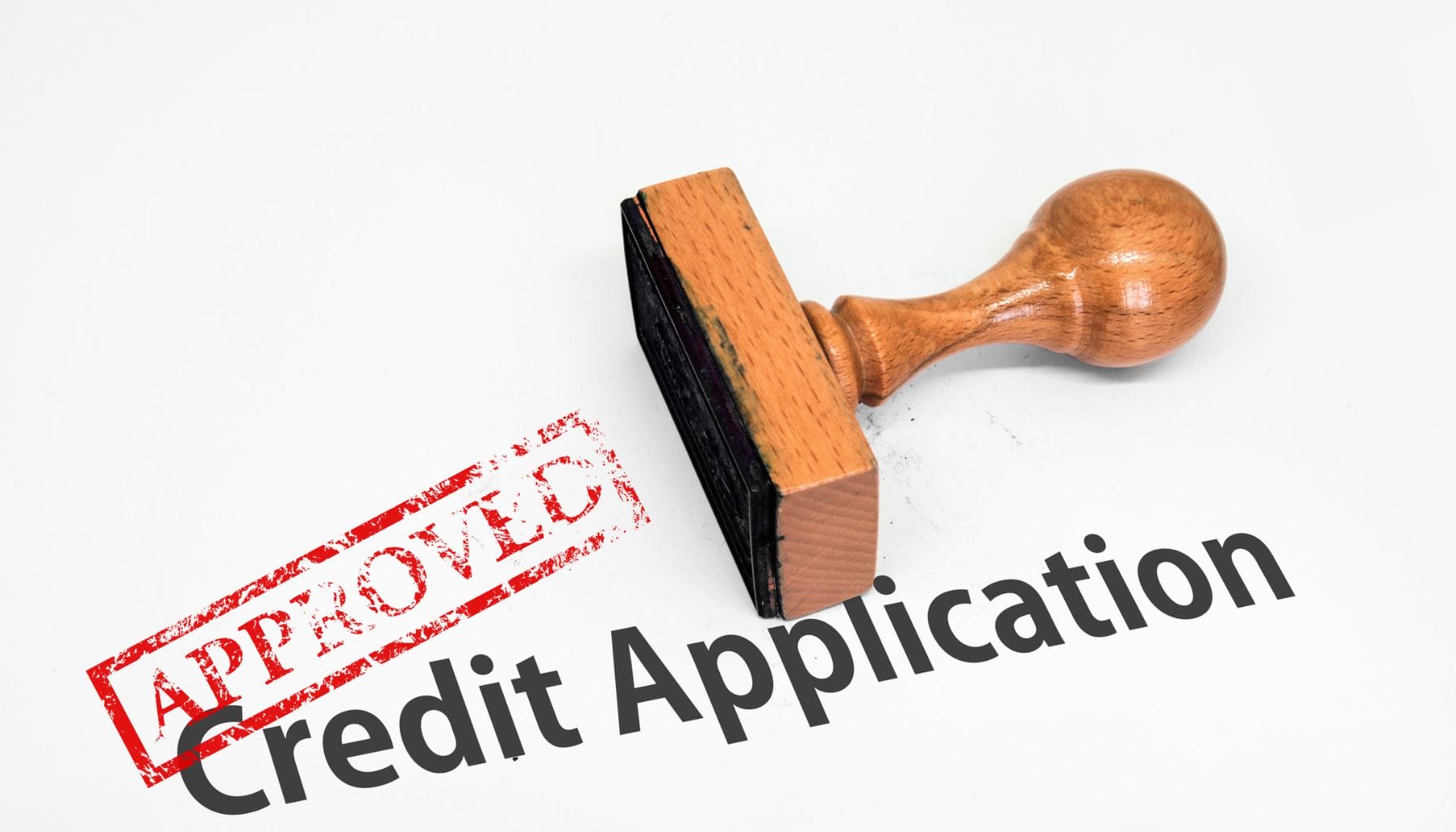
Navigating the world of credit can be daunting, but improving your Care Credit approval odds doesn’t have to be. With the right strategies and a bit of knowledge, you can enhance your chances of getting approved. This article will guide you through essential tips and tricks to boost your Care Credit approval odds effectively.

1. Understanding Care Credit

Care Credit is a specialized credit card for healthcare expenses. It covers a range of medical services, from dental care to veterinary expenses. Knowing how it works is the first step in improving your care credit approval odds. This card offers promotional financing options, making it a popular choice for managing healthcare costs. Understanding its benefits and limitations can help you make an informed decision.

2. Check Your Credit Score

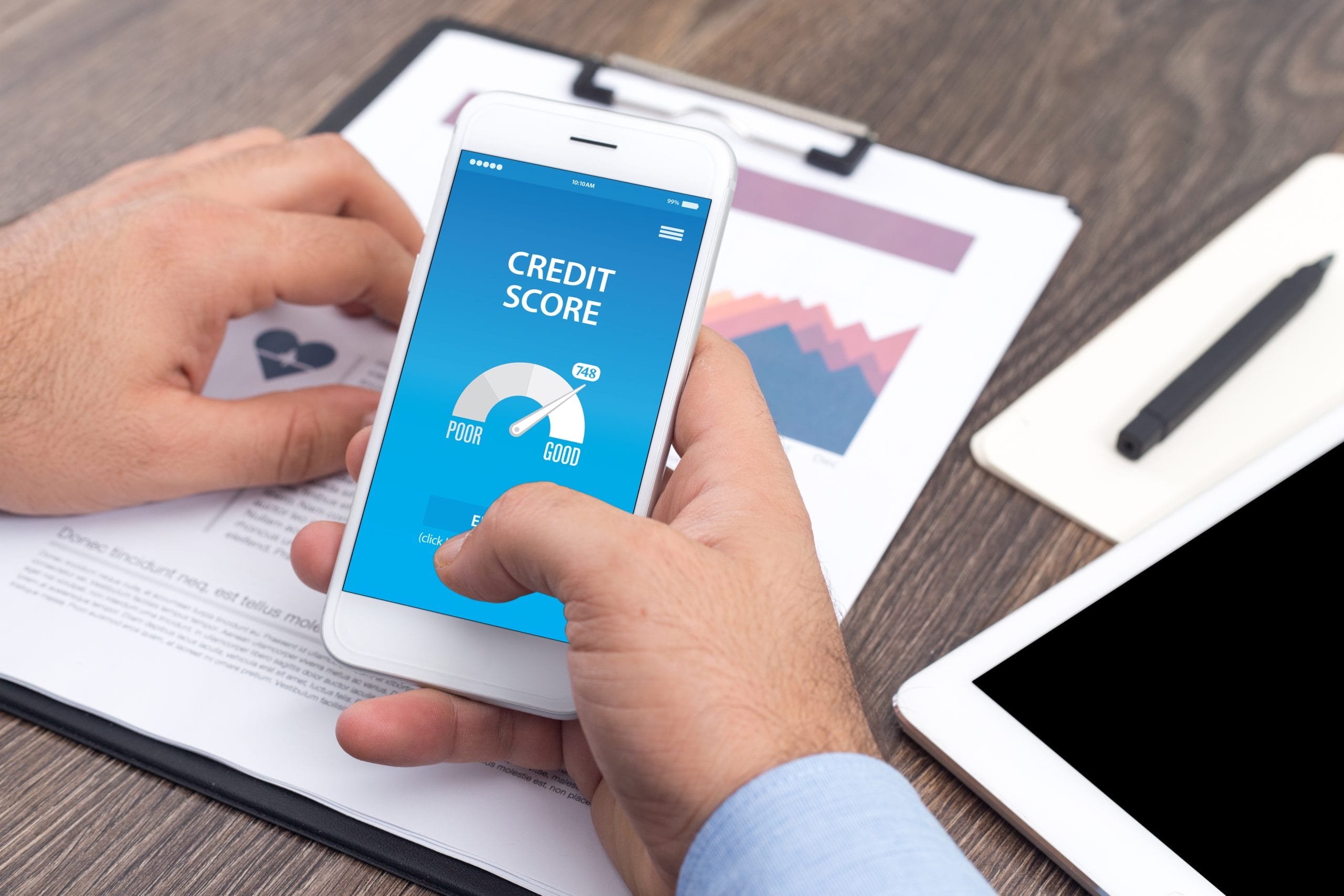
Your credit score plays a significant role in your Care Credit approval odds. Start by checking your current credit score from a reliable credit bureau. A higher score increases your chances of approval and may offer better terms. If your score is low, take steps to improve it before applying. Regularly monitoring your credit helps you stay on top of your financial health.

3. Pay Down Existing Debt

Reducing your existing debt can significantly improve your Care Credit approval odds. High levels of debt can negatively impact your credit score and your perceived ability to manage new credit. Focus on paying off credit card balances and other loans. Creating a budget to manage and reduce debt is a smart strategy. Lower debt levels signal responsible financial behavior to lenders.

4. Avoid Applying for Multiple Credit Accounts

Avoid Applying for Multiple Credit Accounts

Canva

Multiple credit applications within a short period can hurt your credit score. Each application results in a hard inquiry, which can lower your score and raise red flags for lenders. Instead, space out your credit applications and focus on improving your overall financial profile. By minimizing new credit requests, you present yourself as a less risky borrower. Patience is key in the credit approval process.

5. Ensure Your Credit Report is Accurate

Errors on your credit report can negatively affect your Care Credit approval odds. Regularly review your credit report for any inaccuracies or outdated information. Dispute any errors you find with the credit bureau to ensure your report reflects your true financial standing. An accurate credit report enhances your credibility as a borrower. It’s a simple yet effective way to boost your approval chances.

6. Maintain a Stable Income

Lenders favor applicants with a stable and reliable income. Ensure you have a consistent income stream before applying for Care Credit. If possible, increase your income through additional employment or freelance work. Providing proof of stable income can significantly improve your approval odds. It demonstrates your ability to repay the borrowed amount.

7. Keep Your Credit Utilization Low

Credit utilization refers to the percentage of your available credit that you are using. Aim to keep your utilization below 30% to improve your credit score. High utilization suggests you might be over-relying on credit, which can be a red flag for lenders. Paying down balances and increasing credit limits can help lower your utilization rate. A low utilization rate indicates responsible credit management.

8. Use a Co-Signer

Use a Co-Signer

Canva

If your credit score is not strong enough on its own, consider using a co-signer. A co-signer with a good credit history can enhance your approval odds. Ensure the co-signer understands their responsibility, as they will be liable for the debt if you default. This strategy can provide a safety net for both you and the lender. It’s a valuable option for those with limited credit history.

9. Build a Strong Credit History

A solid credit history will positively impact your Care Credit application. Use existing credit responsibly and make payments on time. Over time, a strong credit history will improve your score and approval odds. Avoid closing old credit accounts, as their history contributes to your credit profile. Consistent, positive credit behavior builds a trustworthy financial reputation.

10. Time Your Application Strategically

Timing can impact your Care Credit approval odds. Apply when your financial situation is stable, and your credit score is at its best. Avoid applying immediately after significant financial changes, such as job loss or large purchases. Strategic timing ensures you present the strongest possible application. It’s all about choosing the right moment to maximize your chances.

Boost Your Care Credit Approval Odds

Boost Your Care Credit Approval Odds

Canva

Improving your Care Credit approval odds involves understanding the factors that influence your creditworthiness. By checking your credit score, managing debt, maintaining a stable income, and strategically timing your application, you can enhance your chances. Employing these tips and tricks ensures you are well-prepared for the Care Credit approval process. With careful planning and responsible financial behavior, you can achieve your healthcare financing goals.

Vanessa Bermudez
Vanessa Bermudez
Vanessa Bermudez is a content writer with over eight years of experience crafting compelling content across a diverse range of niches. Throughout her career, she has tackled an array of subjects, from technology and finance to entertainment and lifestyle. In her spare time, she enjoys spending time with her husband and two kids. She’s also a proud fur mom to four gentle giant dogs.

Filed Under: credit score Tagged With: Care Credit Approval, Credit Card Application, Credit Score Tips, Debt Management, Financial Health

  • « Previous Page
  • 1
  • …
  • 3
  • 4
  • 5

FOLLOW US

Search this site:

Recent Posts

  • Can My Savings Account Affect My Financial Aid? by Tamila McDonald
  • 12 Ways Gen X’s Views Clash with Millennials… by Tamila McDonald
  • What Advantages and Disadvantages Are There To… by Jacob Sensiba
  • 10 Tactics for Building an Emergency Fund from Scratch by Vanessa Bermudez
  • Call 911: Go To the Emergency Room Immediately If… by Stephen Kanaval
  • 7 Weird Things You Can Sell Online by Tamila McDonald
  • 10 Scary Facts About DriveTime by Tamila McDonald

Copyright © 2026 · News Pro Theme on Genesis Framework