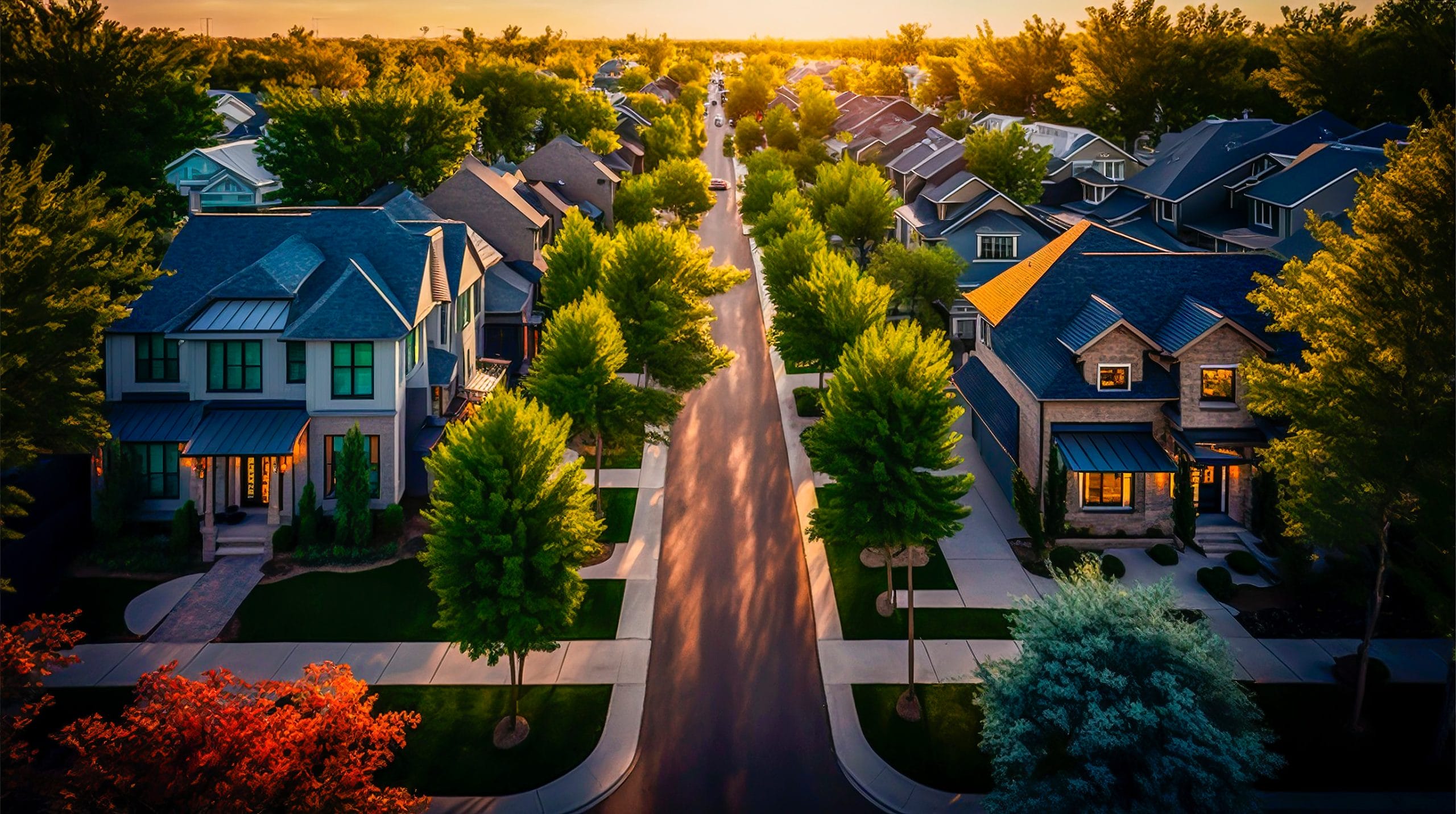
Drive through almost any city, and the contrast between neighborhoods can be striking. In wealthier areas, streets are well-paved, parks are clean, schools are modern, and services seem abundant. Just a few miles away, poorer neighborhoods often struggle with neglected infrastructure, underfunded schools, and limited public resources. Many wonder why rich neighborhoods get services poorer ones don’t, and the answer lies in a mix of funding, politics, and social influence. Understanding these factors reveals how financial inequality extends far beyond personal income and shapes entire communities.
1. Higher Property Taxes Fund Better Services
One of the clearest reasons why rich neighborhoods get services poorer ones don’t is property tax revenue. Local governments rely heavily on property taxes to fund schools, parks, and public safety. Wealthier areas with high home values generate significantly more tax revenue. This money cycles back into the community, providing higher-quality services. In contrast, poorer neighborhoods with lower property values struggle to generate the same funding, leaving schools and services under-resourced.
2. Political Influence and Advocacy
Another factor in why rich neighborhoods get services poorer ones don’t is political clout. Residents in wealthier areas often have the time, money, and connections to influence decision-makers. They organize, attend city council meetings, and fund campaigns that ensure their needs are prioritized. This advocacy gives them a stronger voice in shaping where resources go. Poorer communities often lack the same access, meaning their concerns can go unheard.
3. Private Funding Supplements Public Services
In addition to taxes, private contributions help explain why rich neighborhoods get services poorer ones don’t. Wealthy residents and local organizations donate to schools, fund new parks, or create foundations to support community projects. This supplemental funding adds opportunities that government dollars alone cannot provide. In poorer areas, fewer residents have disposable income to donate, which limits these enhancements. The result is a growing gap between what wealthier and poorer communities can offer.
4. Businesses Cater to Affluence
When asking why do rich neighborhoods get services poorer ones don’t, the role of businesses is also important. Companies tend to open stores, gyms, and healthcare facilities in areas where residents can afford their services. Wealthier communities attract investment, creating a cycle of convenience and opportunity. Poorer neighborhoods, meanwhile, may become “service deserts” with fewer grocery stores, banks, or medical clinics. The uneven distribution of businesses directly impacts the quality of life in these communities.
5. School Funding Favors Wealthier Areas
Schools are often at the heart of why rich neighborhoods get services poorer ones don’t. Because local property taxes fund education, schools in affluent areas can afford more teachers, advanced technology, and extracurricular programs. Students in poorer neighborhoods face overcrowded classrooms, outdated materials, and limited opportunities. This educational gap reinforces generational inequality. Better schools not only serve current families but also raise property values, creating a cycle that benefits wealthier communities.
6. Infrastructure Receives Unequal Attention
Why do rich neighborhoods get services poorer ones don’t? Look at roads, sidewalks, and public transportation. Affluent areas often receive timely repairs and upgrades, while poorer neighborhoods wait years for improvements. Well-maintained infrastructure increases safety and property values, reinforcing wealthier residents’ advantages. Meanwhile, neglected streets and limited transit options make it harder for lower-income residents to access jobs and resources. Infrastructure inequality is a visible reminder of how funding priorities differ.
7. Safety and Public Services Are Unevenly Distributed
Police, fire, and emergency services often respond more quickly in wealthier neighborhoods. These communities may have more stations, better equipment, and larger budgets. In contrast, poorer neighborhoods can face slower response times and outdated resources. This disparity helps explain why rich neighborhoods get services poorer ones don’t when it comes to safety. The unequal protection creates very real differences in how secure residents feel in their daily lives.
8. Social Networks Drive More Opportunities
Connections also play a role in why rich neighborhoods get services poorer ones don’t. Wealthier families often know local leaders, business owners, or officials who can help bring resources into their community. These social networks create additional layers of opportunity beyond government services. Poorer neighborhoods often lack this level of access, leaving them dependent on limited public resources. Social capital is a powerful, though often invisible, factor in neighborhood inequality.
Building a Path Toward Equity
When asking why rich neighborhoods get services poorer ones don’t, the answers point to systemic issues rather than individual choices. Wealthier areas benefit from stronger tax bases, greater influence, and more private support, while poorer neighborhoods face ongoing disadvantages. Recognizing these patterns is the first step toward more equitable policies that prioritize underfunded areas. Real progress requires a commitment to fair distribution of resources, stronger advocacy, and community investment. Only then can every neighborhood, regardless of wealth, receive the services it deserves.
Do you think local governments should do more to balance services between rich and poor neighborhoods? Share your thoughts in the comments below!
What to Read Next…
7 Financial Surprises That Even Rich Families Don’t See Coming
10 Unusual Spending Habits That Reveal Someone Is Quietly Rich
Could Wealthy People Be Poorer Than They Appear on Paper
Why Do Some Advisors Downplay the Impact of Greed on Finances
5 Dangerous “Money Shortcuts” That End in Financial Ruin

Catherine is a tech-savvy writer who has focused on the personal finance space for more than eight years. She has a Bachelor’s in Information Technology and enjoys showcasing how tech can simplify everyday personal finance tasks like budgeting, spending tracking, and planning for the future. Additionally, she’s explored the ins and outs of the world of side hustles and loves to share what she’s learned along the way. When she’s not working, you can find her relaxing at home in the Pacific Northwest with her two cats or enjoying a cup of coffee at her neighborhood cafe.