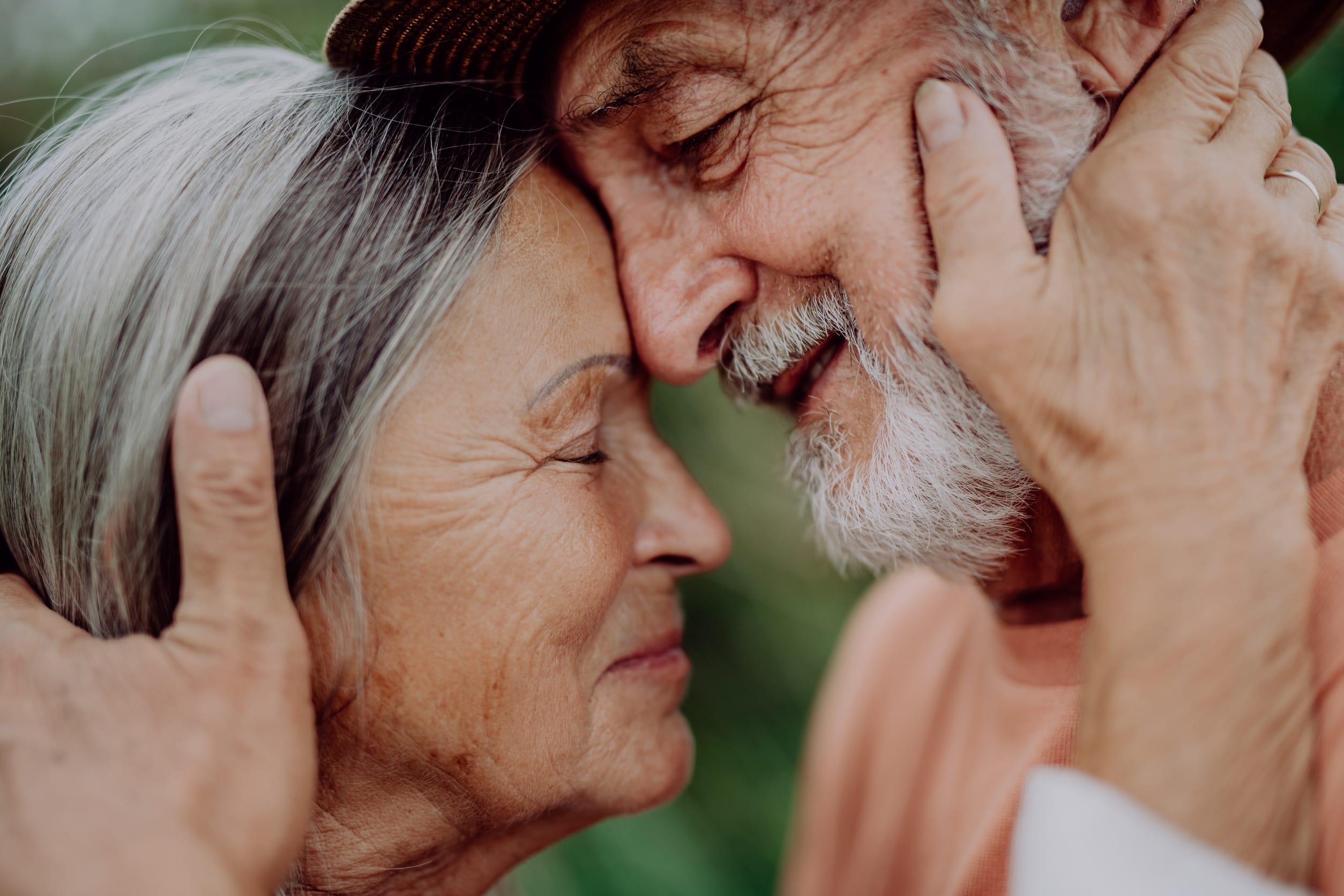
When people talk about relationships and feelings later in life, they often rely on outdated assumptions. Many younger generations believe that emotional chemistry after 60 fades or becomes less important, while some peers may think it’s simply a matter of companionship. The truth is far more nuanced. Emotional bonds can actually deepen, become more fulfilling, and take on new forms of intimacy as we age. To understand what really happens, it’s important to clear up some common misconceptions.
1. Emotional Chemistry Does Not Automatically Decline with Age
One of the biggest myths is that emotional chemistry after 60 naturally fades away. While physical energy may change, the ability to connect emotionally often grows stronger. Many older adults report deeper appreciation for relationships and a greater focus on meaningful interactions. Life experience can make people more emotionally intelligent, which enhances closeness. In many cases, bonds formed later in life are more stable and resilient than those in earlier decades.
2. It’s Not Just About Romance
Younger generations often assume that emotional chemistry after 60 only refers to romantic relationships. In reality, it can apply to friendships, family bonds, and community connections. These relationships can offer the same spark and fulfillment as a romantic partnership. Shared values, history, and life lessons create a unique kind of closeness. Broadening the definition of emotional chemistry helps people appreciate the full range of connections possible in later years.
3. Physical Attraction Still Plays a Role
Another misunderstanding is that physical attraction no longer matters after a certain age. Emotional chemistry after 60 often includes a physical component, even if it manifests differently than in youth. Subtle gestures, touch, and shared activities can still spark excitement. Attraction can also grow out of emotional depth and shared life experiences rather than just appearance. Ignoring the physical side of relationships later in life underestimates the full scope of human connection.
4. Communication Becomes More Honest and Direct
Some believe that conversations and feelings become routine after decades of life. In reality, emotional chemistry after 60 often thrives on clearer communication. Many people feel more confident expressing needs and setting boundaries, which strengthens trust. Without the same societal pressures that affect younger relationships, there’s room for more open and honest dialogue. This directness can lead to a deeper sense of connection and emotional safety.
5. Emotional Chemistry Can Be Rebuilt After Loss
Loss is a reality for many older adults, whether it’s the death of a spouse or the end of a long friendship. A common misunderstanding is that emotional chemistry after 60 cannot be rekindled once lost. In truth, people often discover new connections that bring joy and fulfillment, even after grief. The ability to form new bonds later in life demonstrates resilience and adaptability. These fresh relationships can carry a different, but equally powerful, emotional charge.
6. Personal Growth Still Shapes Connections
Some assume personal growth stops after retirement, but emotional chemistry after 60 continues to evolve alongside self-discovery. New hobbies, travel, and learning experiences can open doors to fresh connections. As individuals grow, so do their relationships. This ongoing development can strengthen bonds by introducing new shared interests and perspectives. Viewing later years as a time for growth helps keep emotional chemistry vibrant.
7. Technology Expands Opportunities for Connection
Younger people may think older generations are disconnected from modern ways of building relationships. In reality, technology has made it easier to sustain and even ignite emotional chemistry after 60. Video calls, social media, and online groups help maintain bonds across distances. These tools also offer ways to meet new people with shared interests. Far from isolating older adults, technology can enhance their ability to connect meaningfully.
8. Emotional Chemistry Can Be Stronger Without Life’s Early Distractions
Younger adults may overlook how freedom from career pressures, child-rearing, and early financial struggles can improve relationships. Emotional chemistry after 60 often benefits from having more time and energy to invest in others. Without the constant demands of earlier life stages, people can focus more on emotional presence. This undivided attention fosters deeper and more satisfying bonds. It’s a reminder that timing can play a major role in connection.
9. Health and Well-Being Influence Emotional Bonds
Some assume that health issues automatically weaken emotional chemistry after 60. While physical challenges can present obstacles, they can also inspire greater empathy and support within relationships. Caring for one another through health changes often deepens trust and appreciation. Emotional bonds can become a source of strength and motivation to maintain well-being. Recognizing the role of health in emotional connection helps paint a fuller, more accurate picture.
Embracing the Realities of Emotional Connection Later in Life
Emotional chemistry after 60 is often misunderstood, but the reality is richer and more dynamic than stereotypes suggest. It’s about more than romance — it’s about depth, resilience, honesty, and the ability to connect in new and meaningful ways. By challenging misconceptions, we can celebrate the unique opportunities for connection that come with age. The spark doesn’t fade; it changes shape, often becoming warmer, steadier, and more rewarding.
What do you think is the biggest misconception about emotional chemistry after 60? Share your perspective in the comments.
Read More:
Can You Really Build a Future With Someone Who’s Terrible With Money?
The Hidden Danger of Owning Property Jointly With a Non-Spouse

Catherine is a tech-savvy writer who has focused on the personal finance space for more than eight years. She has a Bachelor’s in Information Technology and enjoys showcasing how tech can simplify everyday personal finance tasks like budgeting, spending tracking, and planning for the future. Additionally, she’s explored the ins and outs of the world of side hustles and loves to share what she’s learned along the way. When she’s not working, you can find her relaxing at home in the Pacific Northwest with her two cats or enjoying a cup of coffee at her neighborhood cafe.