
Retirement should be a reward, not a paperwork puzzle—but federal oversight still plays a major role when pension money starts moving. Michigan retirees often assume their pension withdrawals stay simple because of state-level tax advantages, yet the IRS keeps a close eye on these transactions regardless of where you live. That extra layer of scrutiny can catch people off guard, especially when withdrawals trigger reporting requirements or raise red flags.
Small mistakes in timing, documentation, or distribution methods can lead to delays, penalties, or even audits. Staying ahead of those rules helps protect hard-earned savings and keeps retirement plans running smoothly.
Why the IRS Pays Close Attention to Pension Withdrawals
The IRS treats pension income as taxable income in most cases, which means every withdrawal matters. Federal rules require detailed reporting from both the retiree and the plan administrator to ensure accuracy. Large or irregular withdrawals often draw extra attention because they can signal early distributions or potential tax avoidance.
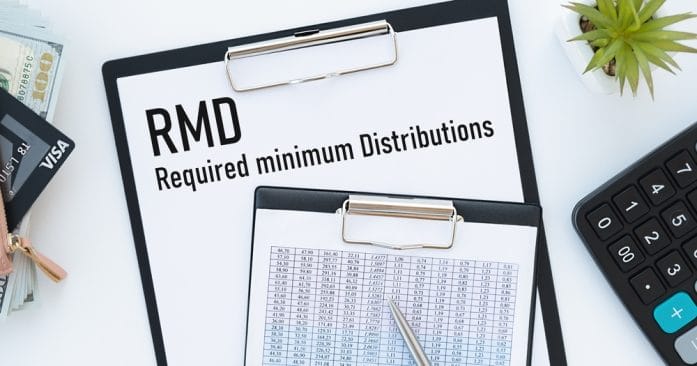
Even routine withdrawals must align with required minimum distribution (RMD) schedules once retirees hit the appropriate age. Consistency and proper documentation reduce the chances of triggering additional federal review.
Michigan’s Tax Rules Don’t Override Federal Oversight
Michigan offers certain tax benefits on pension income, but those benefits stop at the state line. Federal tax law still governs how pension withdrawals get reported and taxed at the national level. Many retirees mistakenly believe state exemptions shield them from IRS scrutiny, which creates costly misunderstandings. The IRS reviews pension distributions based on federal thresholds, not Michigan-specific rules. That disconnect makes it essential to plan withdrawals with both state and federal requirements in mind.
Common Triggers That Flag Pension Withdrawals
Certain actions immediately increase the likelihood of federal review, and retirees should recognize them early. Taking a lump-sum distribution instead of periodic payments often raises questions about tax treatment. Missing or delaying required minimum distributions can lead to steep penalties and automatic IRS attention. Rolling funds into another account without following proper procedures also creates reporting inconsistencies. Even simple clerical errors, like mismatched Social Security numbers or incorrect amounts, can trigger a closer look.
Serious Scenarios That Catch Retirees Off Guard
A retiree might withdraw a large amount to cover medical expenses and unknowingly push themselves into a higher tax bracket. Another individual could forget to take an RMD after turning 73, which results in penalties and a flagged account. Some retirees roll over pension funds into IRAs but miss critical deadlines, causing the IRS to treat the transaction as taxable income.
Couples who coordinate withdrawals poorly may face unexpected tax consequences that prompt further review. These situations happen more often than expected, especially when financial plans lack coordination.
How to Reduce the Risk of IRS Review
Clear planning and organization make a major difference when managing pension withdrawals. Retirees should track every distribution carefully and keep supporting documents easily accessible. Working with a tax professional helps ensure compliance with both IRS rules and Michigan-specific tax benefits.
Spreading withdrawals over time instead of taking large lump sums can reduce scrutiny and tax burdens. Staying informed about annual IRS updates also prevents surprises and keeps retirement income strategies aligned with current regulations.
The Facts About Michigan Pension Withdrawals
Michigan pension withdrawals still face federal review, no matter how favorable state tax rules appear on paper. The IRS expects accuracy, consistency, and full compliance with distribution requirements at all times. Retirees who stay proactive and organized can avoid unnecessary stress and protect their financial future. Smart withdrawal strategies not only reduce tax liability but also minimize the risk of audits or penalties. A little preparation goes a long way toward keeping retirement income predictable and secure.
What strategies have worked for managing your pension withdrawals without triggering tax issues? We want to hear your insight in our comments section below.
You May Also Like…
Why Your Pension Check Could Shrink- Triggers and Solutions
Massachusetts’ Millionaire Tax Is Creating Indirect Costs for Some Retirees
The Retirement Age Just Hit 67 — What That Means for Your Monthly Check
Social Security Is Under Pressure — The Worker-to-Retiree Ratio Is Falling
8 Things Rich Retirees Never Buy — And Poor Ones Always Do

Brandon Marcus is a writer who has been sharing the written word since a very young age. His interests include sports, history, pop culture, and so much more. When he isn’t writing, he spends his time jogging, drinking coffee, or attempting to read a long book he may never complete.
.png)
Leave a Reply