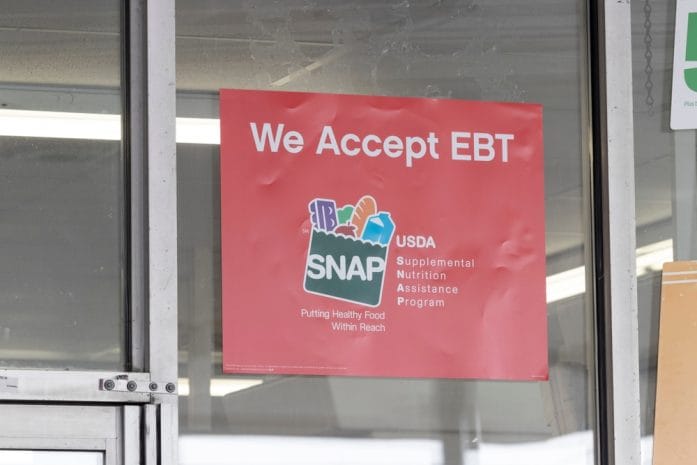
SNAP benefits have started shifting for some seniors this month, and many households notice smaller deposits hitting their EBT cards without warning. Grocery budgets feel tighter instantly when even a small reduction shows up, especially for fixed-income retirees who rely heavily on SNAP to cover rising food costs. Across the country, state agencies continue updating eligibility data, income records, and household details, which can directly change monthly benefit amounts. These adjustments often happen quietly in the background, leaving seniors confused when their balance suddenly drops.
Several factors can trigger these changes, and many do not signal a permanent loss of benefits. Small income increases, missed paperwork updates, or recalculated deductions can all shift monthly SNAP amounts. Even changes in medical expense deductions or housing costs can play a major role in determining final benefit calculations.
Why SNAP Benefits Change Without Warning for Seniors
SNAP benefits adjust frequently because state systems continuously recalculate eligibility based on updated financial data. A small shift in Social Security income, pension deposits, or savings interest can change the benefit formula. Seniors often notice these reductions first because their budgets rely heavily on predictable monthly support. Even minor reporting delays can trigger recalculations that lower monthly SNAP deposits temporarily.
State agencies also run periodic reviews that automatically verify income and household composition. These reviews sometimes lag behind real-life changes, which causes sudden adjustments once new data enters the system. Seniors who recently moved, added household members, or updated rent information often see the most noticeable changes. These adjustments usually reflect administrative updates rather than long-term benefit cuts.
Cost-of-Living Adjustments, Income Updates, and Deduction Shifts
Cost-of-living adjustments (COLA) from Social Security can indirectly reduce SNAP benefits even when income increases feel small. SNAP calculations treat higher income as reduced need, which lowers monthly allotments. Seniors often feel frustrated when a COLA increase leads to a SNAP decrease that offsets the gain. This balancing act between programs can create a “no-win” feeling even when income technically rises.
Medical and housing deductions also play a major role in SNAP calculations, and small changes here can shift benefits quickly. If a senior’s out-of-pocket medical expenses drop or proof of expenses expires, SNAP systems may remove those deductions. Rent changes, even minor ones, also affect the final calculation. These updates often happen during routine recertification cycles that reset eligibility formulas.

Recertification Issues and Common SNAP Reporting Mistakes
Recertification deadlines often create unexpected SNAP reductions for seniors who miss paperwork updates or verification requests. State agencies require updated income and expense documentation to maintain accurate benefit levels. When seniors delay submitting forms or overlook mailed notices, systems may temporarily reduce benefits until verification completes. This process often feels sudden but follows strict administrative timelines.
Another common issue involves incomplete or outdated information inside the SNAP system. A missing medical expense update or unreported rent increase can cause automatic benefit recalculations. Even bank account changes or address updates can trigger temporary disruptions. Seniors who rely on paper notices rather than online portals often miss early warnings that prevent these issues.
What Seniors Should Check Before June SNAP Deposits Arrive
Checking EBT account activity immediately helps identify whether reductions come from system updates or errors. Seniors should review recent notices from their state SNAP office, especially letters related to recertification or income verification. These documents often explain changes that appear confusing at first glance. Quick review helps prevent surprises in the next deposit cycle.
It also helps to confirm all reported income and expenses match current reality. Seniors should verify Social Security updates, medical bills, rent changes, and household composition details. Any mismatch between reported and actual data can trigger incorrect benefit amounts. Contacting the local SNAP office quickly can restore accuracy before June deposits process.
What These SNAP Changes Really Mean for Seniors Right Now
SNAP benefit changes for seniors often reflect system updates rather than permanent cuts, even when the timing feels sudden. Administrative reviews, income adjustments, and deduction resets all play major roles in monthly fluctuations. Seniors who track their paperwork closely usually regain stable benefit levels faster. Understanding these patterns helps reduce confusion during unpredictable months.
What steps would help make SNAP updates clearer and less stressful for seniors in the future? Let’s hear your advice below in our comments section.
You May Also Like…
States Are Rechecking SNAP Files After An Error Rate Increase
Born Late in the Month? Seniors with Birthdays 21–31 Wait the Longest for May Social Security Checks
Michigan Seniors Are Delaying Downsizing as Mortgage Rates and Insurance Costs Stay Elevated
California Seniors Face Insurance Renewal Shock as Housing and Utility Costs Continue Climbing

Brandon Marcus is a writer who has been sharing the written word since a very young age. His interests include sports, history, pop culture, and so much more. When he isn’t writing, he spends his time jogging, drinking coffee, or attempting to read a long book he may never complete.
.png)
Leave a Reply