
• Home
  • About Us
  • Getting Finances Done
    • Hiring Advisors
    • Debt Management
    • Spending Plan
  • Insurance
    • Life Insurance
    • Health Insurance
    • Disability Insurance
    • Homeowners/Renters Insurance
  • Contact Us
  • Our Editorial Commitment

The Free Financial Advisor

You are here: Home / Archives for Retirement

8 Financial Changes Coming Before July That Could Affect Retirees on Fixed Incomes

May 21, 2026 by Brandon Marcus Leave a Comment

8 Financial Changes Coming Before July That Could Affect Retirees on Fixed Incomes
The budget of many retirees could change in July due to financial changes – Shutterstock

Retirees on fixed incomes often plan budgets months in advance, but mid-year financial shifts can quickly shake things up. From rising healthcare costs to changes in benefits and everyday expenses, several updates before July can stretch already-tight budgets. Many of these changes do not arrive with much warning, which makes staying informed even more important. Small increases across multiple categories can pile up fast and create real pressure on monthly spending.

This year brings a mix of policy updates, seasonal cost increases, and financial adjustments that directly touch retirement income planning. Some changes affect essential needs like prescriptions and utilities, while others influence savings growth and tax obligations. Each shift may seem minor on its own, but together they can reshape how far retirement income really goes.

1. Social Security Payment Adjustments Start Filtering Into Budgets

Social Security payments often reflect annual cost-of-living adjustments that aim to keep up with inflation. Retirees usually notice these increases early in the year, but the real impact often shows up in how quickly everyday costs absorb the extra funds. Grocery prices, rent, and transportation expenses often rise at the same time, limiting the benefit of any increase. Many households find that their purchasing power barely moves even when checks grow.

Budget planning becomes more important as these adjustments settle into monthly income patterns. Retirees who track spending closely often spot where the increase disappears fastest. Food and housing expenses typically absorb the largest share of the adjustment. Careful planning helps stretch each dollar further in the months leading into summer.

2. Medicare Prescription Changes Reshape Out-of-Pocket Costs

Medicare drug coverage continues to evolve, especially as new cost caps and plan structures roll out. Retirees often see changes in formularies, copays, or pharmacy networks that affect monthly prescription expenses. Even small shifts in drug tiers can increase annual spending by hundreds of dollars. Many seniors discover these changes only when refilling prescriptions.

Pharmacy choices matter more than ever as different providers negotiate different pricing structures. Some retirees may need to switch pharmacies or request alternatives from doctors. Comparing plans or reviewing coverage details can help avoid surprise costs. Staying alert to notices from Medicare helps prevent unnecessary financial strain.

8 Financial Changes Coming Before July That Could Affect Retirees on Fixed Incomes
Retirees on fixed incomes could see their budgets affected by prescription drug prices – Shutterstock

3. Utility Companies Push Seasonal Rate Increases

Utility companies often raise electricity and natural gas rates heading into warmer months. These increases affect air conditioning use, water heating, and general household energy consumption. Retirees on fixed incomes feel these changes quickly, especially in regions with extreme seasonal temperature swings. Even a small rate increase can add noticeable pressure to monthly bills.

Energy-saving habits become more valuable during this period. Simple changes like adjusting thermostats or using energy-efficient appliances can reduce the impact. Many utility providers also offer assistance programs for seniors. Taking advantage of those programs can help stabilize monthly expenses.

4. Property Tax Reassessments Shift Housing Costs

Local governments often update property assessments before summer budgeting cycles. These reassessments can increase property taxes, even for long-term homeowners. Retirees who own homes outright still feel the impact through rising annual tax bills. Housing remains one of the largest fixed expenses for many seniors.

Some municipalities adjust rates based on rising home values, which continue to fluctuate in many regions. Appeals processes exist, but they require documentation and time. Retirees who monitor assessment notices early often avoid unexpected spikes. Planning ahead helps prevent housing costs from disrupting retirement budgets.

5. Required Minimum Distribution Rules Affect Retirement Accounts

Retirement accounts like IRAs and 401(k)s require withdrawals once account holders reach certain ages. These required minimum distributions can influence taxable income and overall financial planning. Retirees who delay withdrawals may face penalties, which adds unnecessary costs. The timing of withdrawals often matters as much as the amount.

Market conditions also influence how much retirees must withdraw in value terms. When account balances shift, required withdrawals change along with them. Strategic planning helps reduce tax burdens tied to these distributions. Financial advisors often recommend reviewing withdrawal schedules before mid-year to avoid surprises.

6. Prescription Drug Pricing Caps Begin Reshaping Savings

Recent healthcare policy changes introduce new pricing limits on select prescription medications. These caps aim to reduce out-of-pocket costs for commonly used drugs. Retirees may see gradual savings, but not all medications qualify immediately. The rollout happens in stages, which creates uneven benefits across different prescriptions.

Pharmaceutical companies continue adjusting pricing structures in response to these rules. Some medications may shift between coverage tiers, affecting copays. Retirees who rely on multiple prescriptions may notice mixed results in savings. Monitoring plan updates helps ensure full use of available discounts.

7. Savings Account Interest Rates Begin to Shift Again

Banks frequently adjust interest rates based on broader economic conditions. Retirees who rely on savings accounts or certificates of deposit may see returns change before July. Even small rate drops can reduce monthly interest income. These changes directly affect retirees who depend on steady cash flow.

Shopping around for better savings rates often produces better returns. Online banks frequently offer higher yields than traditional institutions. Moving funds strategically can help preserve income stability. Retirees who compare options regularly often protect themselves from shrinking returns.

8. Tax Withholding Updates Change Take-Home Retirement Income

Tax agencies sometimes adjust withholding tables or thresholds mid-year. These updates can affect how much money retirees actually receive in monthly benefits or withdrawals. Even small changes in withholding percentages can alter budgeting plans. Retirees may notice differences in net income without realizing the cause immediately.

Reviewing tax settings helps prevent unexpected shortfalls. Adjusting withholding preferences ensures income matches spending needs more closely. Retirees who check tax documents early often avoid mid-year surprises. Staying proactive helps maintain steady financial control throughout the year.

What These Mid-Year Financial Shifts Mean for Retirees

These financial changes do not operate in isolation, and they often overlap in ways that strain fixed incomes. Rising utilities, healthcare adjustments, and tax changes can quickly stack against limited budgets. Retirees who track each category closely often maintain better control over monthly spending. Small proactive adjustments create a stronger cushion against unpredictable costs.

Planning ahead becomes the most powerful tool during periods of financial change. Reviewing income, expenses, and benefits before July helps prevent last-minute stress. Retirees who stay flexible often adapt more smoothly to shifting costs. Awareness and preparation turn uncertainty into manageable financial decisions.

Retirees, which of these changes has the biggest impact on your monthly budget this year?

You May Also Like…

Texas Retirees: Property Insurance Premiums Rose Over 20% in Some Counties Last Year — Here’s What Seniors Are Cutting to Keep Up

7 Financial Red Flags That Could Freeze Your Accounts Without Warning

Why Some Retirees Are Getting Stuck in Social Security Payment Limbo

Why More Seniors Are Getting Surprise Social Security Overpayment Notices

10 Financial Mistakes: What to Avoid After Receiving a Social Security Overpayment Notice

Brandon Marcus
Brandon Marcus

Brandon Marcus is a writer who has been sharing the written word since a very young age. His interests include sports, history, pop culture, and so much more. When he isn’t writing, he spends his time jogging, drinking coffee, or attempting to read a long book he may never complete.


Filed Under: Retirement Tagged With: budgeting, Cost of living, fixed income, Inflation, Medicare, Personal Finance, Retirement, seniors, Social Security

Texas Retirees: Property Insurance Premiums Rose Over 20% in Some Counties Last Year — Here’s What Seniors Are Cutting to Keep Up

May 20, 2026 by Brandon Marcus Leave a Comment

Texas Retirees: Property Insurance Premiums Rose Over 20% in Some Counties Last Year — Here’s What Seniors Are Cutting to Keep Up
Texas seniors are having to cut back on important spending due to property insurance premiums – Shutterstock

Texas property insurance costs jumped sharply last year, shaking up retirement budgets across the state. Some counties reported premium increases topping 20%, creating immediate strain for homeowners on fixed incomes. Rising storm risks, higher reconstruction costs, and surging reinsurance prices all pushed insurers to raise rates. Many retirees who planned carefully for retirement now face unexpected financial pressure that disrupts monthly stability. A typical homeowner in hard-hit areas now pays hundreds more per year just to maintain basic coverage.

Retirees across coastal and storm-prone regions feel the pressure the most, especially those living on Social Security and modest pensions. Insurance bills now compete directly with essentials like groceries, utilities, and medication. Some seniors report opening renewal letters with shock after years of steady or predictable rates. A retiree in South Texas, for example, may now pay significantly more than just two years ago for the same coverage level. Financial planners warn that this trend could reshape retirement security in high-risk states like Texas.

The Everyday Cuts Retirees Are Making to Stay Afloat

Rising insurance premiums force many Texas retirees to make immediate lifestyle adjustments. Grocery budgets shrink as seniors swap fresh produce and protein-heavy items for cheaper pantry staples. Utility usage drops as households carefully track air conditioning and heating to control monthly bills. Some retirees pause home maintenance projects, delaying roof repairs or landscaping work to preserve cash flow. Even small expenses like streaming services or community club memberships disappear from monthly budgets.

Transportation habits also shift as retirees reduce driving to save on gas and vehicle maintenance. Many seniors now cluster errands into single trips instead of multiple weekly outings. Dining out becomes rare, reserved only for special occasions rather than routine social activity. Emergency savings accounts shrink as insurance premiums consume a larger share of fixed income. These daily trade-offs reveal how sharply housing-related costs ripple through every part of retirement life.

Why Texas Premiums Keep Climbing Faster Than Inflation

Insurance companies in Texas face mounting pressure from repeated severe weather events, including hurricanes, hailstorms, and flooding. These disasters increase claim payouts and push insurers to rebuild financial reserves more aggressively. Reinsurance costs, which insurers pay to protect themselves, also rise quickly as global disaster risks grow. Construction costs in Texas continue to climb, making home repairs and rebuilding significantly more expensive after storms. These combined pressures force insurers to adjust premiums faster than general inflation rates.

Population growth in high-risk regions adds another layer of complexity to pricing models. More homes in storm-prone zones increase the total exposure insurers must cover. Fraud prevention costs and legal expenses also rise, contributing to higher overall operational costs. Regulators attempt to balance affordability with insurer stability, but market realities often dominate pricing decisions. Texas homeowners now experience a market where risk and cost increasingly shape every renewal notice.

Smart Ways Seniors Are Fighting Back Against Rising Costs

Some Texas retirees actively shop around for new insurance providers to find better rates. Comparison shopping often reveals significant differences between carriers for nearly identical coverage. Bundling home and auto insurance policies sometimes unlocks meaningful discounts for fixed-income households. Higher deductibles also lower monthly premiums, though this strategy requires careful risk planning. Seniors increasingly consult independent insurance brokers to navigate complex policy options.

Home upgrades also play a major role in lowering premiums over time. Impact-resistant roofs, storm shutters, and updated plumbing systems can reduce risk profiles in the eyes of insurers. Some counties even offer mitigation grants that help retirees fund these improvements. Community groups and senior organizations provide education sessions on cost-saving insurance strategies. These proactive steps help retirees regain some control over rising housing expenses.

Texas Retirees: Property Insurance Premiums Rose Over 20% in Some Counties Last Year — Here’s What Seniors Are Cutting to Keep Up
Texas is a beautiful place to live, but rising home insurance premiums are costing seniors – Shutterstock

What This Means for Texas Retirement Security Moving Forward

Texas retirement security now faces a growing challenge as housing costs consume a larger share of fixed incomes. Insurance premiums alone now rival property tax increases in their impact on monthly budgets. Seniors who planned retirement around stable housing expenses now rethink long-term financial strategies. Some retirees consider downsizing or relocating to lower-risk areas to stabilize costs. Financial advisors emphasize that housing affordability now sits at the center of retirement planning discussions.

How should retirees balance rising home protection costs with the need to preserve financial stability in retirement? We want your advice, experiences, and stories shared below in our comments section.

You May Also Like…

Why Some Banks Are Tightening Cash Access in Texas and Florida

Wyoming Property Tax Relief Deadline: Missing the May Filing Window Can Cost Homeowners Thousands

Nevada Trust Rules Offer Less Asset Protection Than Many Homeowners Expect

What Are New Jersey’s ANCHOR Rebate Payments And How Can They Help Homeowners?

Florida Homeowners Are Seeing Major Premium Increases as Citizens Policies Adjust Rates

Brandon Marcus
Brandon Marcus

Brandon Marcus is a writer who has been sharing the written word since a very young age. His interests include sports, history, pop culture, and so much more. When he isn’t writing, he spends his time jogging, drinking coffee, or attempting to read a long book he may never complete.

Filed Under: Retirement Tagged With: Cost of living, homeowners insurance, inflation impact, insurance crisis, property insurance, retirees, retirement income, senior budgeting, senior finances, Texas economy, Texas housing, Texas insurance

The 5 Most Expensive Retirement Mistakes Americans Over 60 Are Making During This Inflation Spike

May 20, 2026 by Brandon Marcus Leave a Comment

The 5 Most Expensive Retirement Mistakes Americans Over 60 Are Making During This Inflation Spike
Seniors are engaging in costly retirement mistakes during this period of inflation. – Shutterstock

Retirement was supposed to feel like a reward, not a financial juggling act under rising grocery bills and shrinking purchasing power. Yet inflation keeps reshaping daily life for Americans over 60, turning once-stable budgets into unpredictable puzzles. Essentials like housing, food, insurance, and healthcare continue climbing faster than many fixed incomes can adjust. As a result, even well-prepared retirees now face hidden financial traps that slowly drain savings. The biggest danger comes not just from rising prices, but from decisions that quietly amplify the pressure.

Smart retirement planning now requires sharper awareness than ever before. Many Americans assume their old financial habits still work, but today’s inflation cycle tells a different story. Small missteps can snowball into major long-term losses, especially when savings no longer grow fast enough to keep pace. These mistakes often feel harmless in the moment, which makes them even more dangerous.

1. Withdrawing Retirement Funds Too Aggressively

Many retirees pull more money from their savings than their portfolios can comfortably handle during high inflation. Rising prices push people to increase withdrawals without recalculating long-term sustainability. This creates a silent drain that shortens the lifespan of retirement accounts far earlier than expected. Financial planners often warn that even a small withdrawal increase can significantly impact long-term stability when markets fluctuate. Inflation makes this even more dangerous because it erodes purchasing power at the same time.

A retiree who once withdrew 4% annually may suddenly need 6% or more just to maintain the same lifestyle. That extra pressure forces investments to work harder while markets remain unpredictable. Over time, accounts shrink faster than expected, leaving fewer options later in retirement. Adjusting spending habits instead of increasing withdrawals helps protect long-term financial security. Many retirees underestimate how quickly this mistake compounds in a high-cost environment.

2. Delaying Downsizing the Family Home

Holding onto a large family home often feels emotionally rewarding, but it can quietly drain retirement funds. Property taxes, maintenance, utilities, and insurance costs continue rising alongside inflation. Many retirees avoid downsizing because of memories tied to their homes or fear of change. However, those ongoing expenses can consume a surprising portion of fixed income. The longer the delay, the more money gets locked into an underutilized asset.

Smaller homes or retirement-friendly communities often free up thousands of dollars each year. That extra cash can strengthen savings or cover rising healthcare costs. In many cases, retirees discover they barely use half their living space anyway. Market conditions in certain U.S. regions have even made downsizing financially advantageous due to strong home equity values. Ignoring this option often becomes one of the most expensive emotional decisions in retirement.

3. Overlooking Healthcare Inflation Costs

Healthcare costs in the United States continue rising faster than general inflation, creating a major blind spot for retirees. Many people budget for basic Medicare coverage but underestimate out-of-pocket expenses like prescriptions, dental care, and specialist visits. Unexpected medical bills can quickly disrupt even carefully planned retirement finances. Inflation in healthcare services often outpaces annual Social Security adjustments, widening the gap each year. This mismatch creates long-term pressure that many retirees fail to anticipate.

A single health event can shift financial stability dramatically, especially without supplemental insurance. Routine care that once felt affordable now requires careful budgeting and planning. Many retirees also overlook long-term care possibilities, which can cost thousands per month. Preventive care planning and supplemental coverage choices play a critical role in protecting savings. Ignoring healthcare inflation often leads to one of the fastest forms of retirement fund depletion.

4. Keeping Too Much Cash in Low-Yield Accounts

Holding large amounts of cash might feel safe, but inflation quietly reduces its real value every year. Many retirees prefer savings accounts or CDs because they appear stable and risk-free. However, when inflation rises faster than interest rates, purchasing power steadily declines. This creates a hidden loss that often goes unnoticed until later in retirement. Security without growth can become a financial disadvantage over time.

A retiree keeping significant cash reserves may effectively lose thousands in value annually during high inflation periods. Investment strategies that include diversified assets often help counterbalance this erosion. Even conservative portfolios can include inflation-protected securities or income-generating investments. The goal involves balancing safety with modest growth to maintain long-term stability. Excessive caution with cash often becomes an expensive long-term mistake.

The 5 Most Expensive Retirement Mistakes Americans Over 60 Are Making During This Inflation Spike
Inflation is affecting retirement plans in huge ways, and it’s leading to major mistakes. – Shutterstock

5. Ignoring Social Security Timing Strategies

Many retirees claim Social Security benefits as soon as they become eligible, without evaluating long-term payout differences. Early claiming reduces monthly income permanently, which becomes especially costly during inflation spikes. Delaying benefits can significantly increase lifetime income, yet many overlook this strategy due to immediate financial pressure. Inflation makes timing even more important because fixed monthly payments lose value faster when started too early. Strategic planning can make a meaningful difference in long-term financial resilience.

A delayed claim often results in noticeably higher monthly checks, which can help offset rising living costs. However, many retirees focus on short-term needs rather than long-term optimization. Understanding spousal benefits and timing options adds another layer of potential income protection. Financial advisors frequently highlight this decision as one of the most impactful retirement choices. Missing this opportunity often leads to avoidable long-term income loss.

Protecting Retirement Stability in a High-Inflation Era

Retirement security now depends on adaptability rather than static planning. Inflation exposes weak points in financial strategies that once seemed reliable. Each mistake compounds over time, slowly eroding the comfort retirees worked decades to build. Small adjustments in spending, housing decisions, healthcare planning, asset allocation, and benefit timing can significantly strengthen financial resilience. Awareness remains the strongest defense against long-term financial strain.

What financial adjustment would make the biggest difference in your retirement stability right now?

You May Also Like…

6 Retirement Planning Errors That Could Cost You Thousands Under New Tax Rules

5 Financial Rules That Can Reduce Retirement Income Faster Than Expected

The Retirement Age Just Hit 67 — What That Means for Your Monthly Check

10 Retirement States That No Longer Cater to Retirees

8 Hidden Fees That Can Eat Away at Your Retirement Savings

Brandon Marcus
Brandon Marcus

Brandon Marcus is a writer who has been sharing the written word since a very young age. His interests include sports, history, pop culture, and so much more. When he isn’t writing, he spends his time jogging, drinking coffee, or attempting to read a long book he may never complete.

Filed Under: Retirement Tagged With: 401(k), budgeting, Cost of living, elderly finances, Inflation, money management, Personal Finance, Planning, Retirement, retirement mistakes, retirement savings, seniors, Social Security

7 Ways Retirees Accidentally Trigger Higher Medicare Premiums

May 18, 2026 by Brandon Marcus Leave a Comment

7 Ways Retirees Accidentally Trigger Higher Medicare Premiums
A couple of reitrees seeing a doctor – Shutterstock

Retirement often feels like a financial finish line, but Medicare premiums don’t always stay predictable once income enters the picture. Many retirees discover that past financial decisions can echo forward in unexpected ways, especially when tax rules start interacting with healthcare costs. The system looks at income data from two years earlier, which means today’s choices can shape tomorrow’s premiums. Even small shifts in income can push monthly Medicare costs higher than expected.

Many retirees assume Medicare stays stable after enrollment, yet income-related adjustments often tell a different story. Certain financial moves trigger IRMAA surcharges that quietly increase Part B and Part D premiums. These increases rarely appear immediately, which makes them even more surprising when they arrive. Knowing the most common triggers helps retirees stay ahead of avoidable costs.

1. Reporting Higher Income from a One-Time Event

Medicare premiums often jump when retirees report unexpected income spikes. A single event like a Roth conversion or large capital gain can push income into IRMAA brackets. This surprise often hits hardest when retirees sell assets or unlock retirement funds in a single tax year. One decision can ripple through Medicare costs for years.

Social Security and Medicare rely on tax returns from two years prior to calculate premiums. That delay often catches retirees off guard when they make large financial moves without planning ahead. Even a one-time boost in income can set a higher premium baseline for multiple years. Careful timing of major financial events helps smooth income and reduce unnecessary Medicare surcharges.

2. Taking Large Required Minimum Distributions (RMDs)

Required Minimum Distributions can quietly push retirees into higher Medicare premium tiers. These withdrawals begin at age 73 under current federal rules. Many retirees underestimate how quickly these mandatory withdrawals increase taxable income. The size of traditional IRA balances often determines the severity of the impact.

Large RMDs frequently stack on top of other retirement income sources, creating a higher overall tax picture. Medicare uses that combined income to calculate monthly adjustments. This system often surprises retirees who thought withdrawals would only affect taxes, not healthcare costs. Strategic withdrawal planning earlier in retirement can reduce long-term premium pressure.

3. Selling Investments Without Tax Planning

Selling stocks or mutual funds without planning can create sudden taxable gains. Those gains often raise modified adjusted gross income for Medicare purposes. Even strong market performance can backfire when retirees realize profits all in one year. Timing becomes just as important as investment selection.

Capital gains often combine with other income sources, pushing retirees over key thresholds. Medicare premiums increase when income crosses those lines, even by a small margin. Many retirees overlook how quickly a few profitable trades can shift their tax profile. Spreading sales across multiple tax years often helps control premium increases.

4. Missing the Impact of Interest and Dividends

Interest income and dividends can quietly accumulate and push income higher. Many retirees underestimate how these “small” earnings build up over time. High-yield savings accounts and brokerage portfolios often create steady taxable income streams. These streams feel harmless until they combine into a larger total.

Medicare uses combined income to determine premium levels, not just wages or pensions. That means passive income plays a bigger role than many retirees expect. Even modest increases in interest rates can shift totals enough to matter. Regular financial reviews help keep income aligned with long-term Medicare planning.

7 Ways Retirees Accidentally Trigger Higher Medicare Premiums
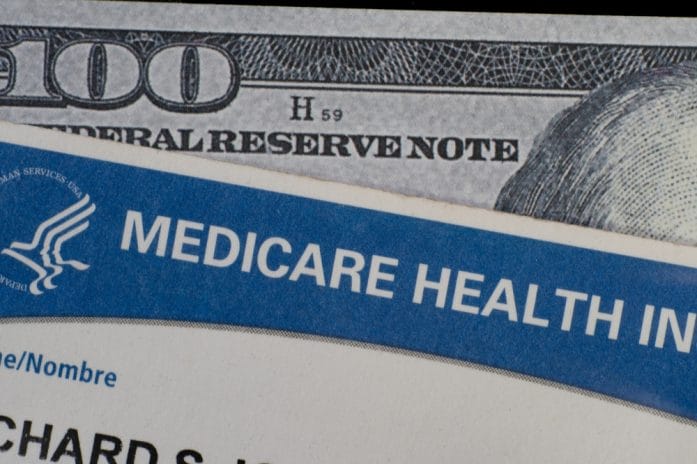
A $100 bill sitting behind a Medicare health card – Shutterstock

5. Underestimating Spousal Income Effects

Medicare calculates premiums based on household income, not just individual earnings. A spouse’s income can therefore trigger higher premiums unexpectedly. This situation often surprises retirees when one partner continues working longer than planned. Joint income creates a combined financial picture that Medicare evaluates together.

Working spouses can unintentionally raise both partners’ Medicare costs. Retirees sometimes overlook how tax filing status influences premium calculations. Even part-time income can push household totals into higher brackets. Coordinated retirement timing between spouses helps reduce unexpected financial pressure.

6. Overlooking Taxable Pension Changes

Changes in pension income can shift retirees into higher Medicare brackets. Cost-of-living adjustments or lump-sum payouts often create unexpected tax consequences. Many retirees assume pensions stay predictable, but adjustments often tell a different story. These changes can arrive gradually or in sudden financial bursts.

Some pension increases raise taxable income more than retirees initially expect. That added income feeds directly into Medicare’s calculation formula. Even small annual increases can accumulate into higher long-term premiums. Reviewing pension statements each year helps retirees stay ahead of potential cost jumps.

7. Not Managing Retirement Account Conversions Carefully

Roth conversions often trigger higher Medicare premiums when done without strategy. These conversions increase taxable income in the year they occur. Many retirees pursue conversions for long-term tax benefits but overlook short-term Medicare effects. Timing plays a critical role in how these conversions affect overall costs.

Large conversions can unintentionally push retirees into higher IRMAA tiers. Spreading conversions across several years often reduces financial strain. Even partial conversions require careful income forecasting to avoid surprises. Smart planning turns conversions into a tool instead of a costly mistake.

Keeping Medicare Premiums Under Control

Medicare premiums often rise because income planning slips through the cracks. Retirees gain more control when they track taxable income throughout the year. Strategic timing of withdrawals, sales, and conversions makes a major difference in long-term costs. Even small adjustments today can prevent expensive premium surprises later. Proactive planning helps retirees protect income while keeping healthcare costs more predictable.

What financial move surprised most retirees when it affected Medicare costs? Share your thoughts and experiences in the comments below.

You May Also Like…

5 Medicare Services Seniors Are Losing Coverage For in 2026

6 Costly Medicare Enrollment Mistakes Retirees Keep Making

The Next Medicare Premium Shock Could Hit Retirees Harder Than Expected

The “Forever Home” Problem Is Trapping More Retirees Financially

Florida’s Insurance Spike: Why Retirees Are Seeing “Rebuild Fees” on May Statements

Brandon Marcus
Brandon Marcus

Brandon Marcus is a writer who has been sharing the written word since a very young age. His interests include sports, history, pop culture, and so much more. When he isn’t writing, he spends his time jogging, drinking coffee, or attempting to read a long book he may never complete.

Filed Under: Retirement Tagged With: capital gains, dividend income, interest income, IRMAA, Medicare, Medicare premiums, pensions, Planning, retirees, retirement income, retirement savings, RMDs, Roth conversion, Social Security, taxes in retirement

6 Costly Medicare Enrollment Mistakes Retirees Keep Making

May 16, 2026 by Brandon Marcus Leave a Comment

6 Costly Medicare Enrollment Mistakes Retirees Keep Making
A clipboard with information about Medicare Part A, Part B, Part C, And Part D

Medicare looks simple on the surface, but small mistakes during enrollment often lead to lifelong penalties, coverage gaps, and surprise medical bills. Many retirees assume the system automatically handles everything, only to discover delays and fees that could have been avoided with a few timely decisions.

These missteps don’t just cause frustration; they can drain retirement savings faster than expected. Careful planning during enrollment makes a major difference in long-term financial stability. The good news? Every one of these mistakes comes with a clear way to avoid it.

1. Missing the Initial Enrollment Window Can Trigger Lifelong Penalties

Retirees often underestimate how strict Medicare enrollment timelines can feel, especially when transitioning from employer coverage. The Initial Enrollment Period lasts seven months, and missing it often leads to delayed coverage and permanent late penalties. Many people delay signing up because they feel healthy or still carry insurance through a spouse, which creates risky gaps. Medicare does not always send reminders, so responsibility falls completely on the individual. A missed deadline can increase Part B premiums for life, which quietly adds up over decades.

A retiree in Texas once delayed enrollment by 18 months after retiring early, assuming COBRA would fill the gap. That decision led to higher monthly premiums that continued into retirement income limits. The safest move involves marking enrollment dates early and confirming eligibility rules with Social Security well before retirement begins. Planning ahead prevents rushed decisions and avoids unnecessary financial strain. Timely action protects both coverage and long-term retirement budgets.

2. Assuming Social Security Automatically Enrolls Everyone

Many retirees believe Medicare enrollment happens automatically once Social Security payments begin. That assumption leads to gaps in coverage, especially for those who delay Social Security until age 67 or 70. Automatic enrollment only applies in specific situations, and many retirees fall outside those rules. This confusion often causes late penalties or delayed access to essential healthcare services. Clear awareness of enrollment responsibility helps prevent costly surprises.

A retiree in Florida discovered this mistake after delaying Social Security for several years while still working part-time. The individual expected Medicare coverage to begin without action, only to face a coverage delay during a medical need. Enrollment requires a separate process through the Social Security Administration, regardless of retirement income timing. Setting reminders and verifying enrollment status early prevents unnecessary disruptions. A proactive approach ensures healthcare coverage starts exactly when needed.

3. Ignoring Prescription Drug Coverage Leads to Permanent Penalties

Medicare Part D often gets overlooked, especially by retirees who do not take regular medications at the time of enrollment. This decision can backfire later because penalties apply when coverage gaps exceed 63 days. Even healthy retirees often need prescriptions unexpectedly as medical needs change with age. Skipping Part D may seem harmless initially, but penalties follow long-term and increase monthly costs permanently. Drug coverage decisions require forward-thinking rather than short-term assumptions.

A retiree in Ohio skipped Part D for years due to minimal prescription needs, only to face higher premiums after developing a chronic condition. The penalty calculation depends on how long coverage remained absent, not personal health history. Signing up early, even for low-cost plans, prevents long-term financial consequences. Medicare Advantage plans may include drug coverage, but confirmation remains essential before assuming protection exists. Careful review of options avoids expensive surprises later.

6 Costly Medicare Enrollment Mistakes Retirees Keep Making
Two seniors using their prescription drugs – Shutterstock

4. Overlooking Medigap Enrollment Timing Can Limit Future Options

Medigap policies help cover out-of-pocket costs, but enrollment timing plays a major role in eligibility and pricing. The best enrollment window lasts six months after enrolling in Medicare Part B, and insurers cannot deny coverage during that time. Many retirees delay decisions, assuming they can choose later without restrictions. That delay often leads to medical underwriting, higher premiums, or outright denial of coverage. Timing directly impacts both affordability and access.

A retiree in Arizona waited two years before exploring Medigap options, only to discover limited availability and higher costs due to preexisting conditions. Early enrollment provides the widest selection of plans and the most competitive pricing. Comparing plans during the initial eligibility window creates stronger long-term financial protection. Retirees who act quickly often secure better benefits at lower monthly rates. Understanding the timeline creates real savings over time.

5. Choosing Plans Based Only on Premium Price Creates Hidden Costs

Low monthly premiums often attract retirees, but focusing only on price can lead to higher overall healthcare expenses. Some Medicare Advantage plans limit provider networks or require higher copays for specialists and hospital visits. These restrictions may not become obvious until medical care becomes necessary. A plan that looks affordable today may create significant financial strain during unexpected health events. Smart evaluation requires reviewing total cost, not just monthly payment.

A retiree in Illinois selected a low-premium plan but later faced high out-of-pocket costs after needing surgery. The limited network forced additional expenses that exceeded savings from the lower premium. Comparing deductibles, copays, and provider access helps create a more accurate picture of real costs. Reviewing annual out-of-pocket maximums offers additional financial protection insight. Careful comparison prevents unpleasant financial surprises during critical health moments.

6. Failing to Review Coverage Annually Leads to Outdated Protection

Medicare plans change every year, yet many retirees stick with the same coverage without reviewing updates. Premiums, drug formularies, and provider networks shift regularly, which can impact both cost and access. Ignoring annual notices often leads to paying more for less coverage over time. Open Enrollment provides a chance to adjust plans based on updated health needs and financial goals. Regular reviews help maintain the best balance between cost and care.

A retiree in Georgia discovered a preferred medication moved to a higher tier, significantly increasing yearly prescription costs. A simple plan switch during Open Enrollment could have prevented the increase. Annual comparisons allow retirees to adapt to changing health conditions and insurance updates. Staying proactive ensures coverage keeps pace with real-life medical needs. Consistent review protects both health and financial stability.

Smart Medicare Moves Protect Retirement Security

Medicare decisions shape healthcare costs for decades, and small mistakes can create long-term financial strain. Each enrollment step carries deadlines, coverage rules, and choices that directly affect retirement stability. Careful planning, timely enrollment, and annual reviews all work together to strengthen protection. Retirees who stay informed avoid penalties and gain more control over healthcare spending.

What Medicare enrollment mistake seems most surprising or overlooked? Share thoughts and experiences in the comments below.

You May Also Like…

The Next Medicare Premium Shock Could Hit Retirees Harder Than Expected

6 Medicare Rules That Will Hike Your Out-of-Pocket Costs in 2026

Medicare Identity Alert: 3 Steps to Take After a Data Exposure Notice

Social Security Checks Are Getting Smaller for Some Retirees—And It’s Not a Benefit Cut

Selling a Long-Term Home Can Lead to Capital Gains Taxes—Even for Retirees

Brandon Marcus
Brandon Marcus

Brandon Marcus is a writer who has been sharing the written word since a very young age. His interests include sports, history, pop culture, and so much more. When he isn’t writing, he spends his time jogging, drinking coffee, or attempting to read a long book he may never complete.
Filed Under: Retirement Tagged With: healthcare costs, insurance tips, Medicare, Medicare deadlines, Medicare enrollment, Medicare mistakes, Medicare Part B, Planning, retirement benefits, retirement planning, seniors, Social Security

The Next Medicare Premium Shock Could Hit Retirees Harder Than Expected

May 14, 2026 by Brandon Marcus Leave a Comment

The Next Medicare Premium Shock Could Hit Retirees Harder Than Expected
A doctor’s keyboard with a Medicare card sitting on it – Shutterstock

Retirement often gets sold as a season of stability, but healthcare costs keep rewriting that story in real time. Medicare premiums already take a noticeable bite out of monthly budgets, and the next wave of increases could feel even sharper than many retirees anticipate. Rising medical expenses, inflation pressure, and federal program adjustments continue to push costs upward, leaving fewer safe spots in a carefully planned retirement income. Many households now find that even modest premium hikes ripple through groceries, housing, and everyday spending decisions.

This issue matters because Medicare doesn’t operate in isolation from the broader economy. When prescription drug costs climb, hospital expenses rise, or federal spending shifts, retirees feel it quickly in their monthly statements. The next premium adjustment cycle could hit at a moment when many older Americans already feel squeezed by higher rent, utilities, and insurance costs.

Why Medicare Premiums Keep Marching Higher Each Year

Medicare premiums continue rising because healthcare costs in the United States consistently outpace general inflation. The standard Part B premium, which covers outpatient care, already sits above $180 per month for many enrollees, and analysts expect continued upward pressure heading into the next adjustment cycle. Even small percentage increases translate into real budget strain when retirees live on fixed incomes. Administrative costs, provider payments, and new medical technologies all feed into the pricing formula. Retirees often notice that even “routine” annual increases feel heavier each year.

Government funding formulas also play a major role in these adjustments, especially when Medicare expenditures rise faster than payroll tax revenues. The system balances itself by shifting part of the cost burden to beneficiaries through premiums and deductibles. That mechanism keeps Medicare solvent but transfers financial pressure directly to seniors. Inflation in hospital services and physician reimbursement rates amplifies the effect during high-cost years. The result creates a steady upward climb that rarely pauses, even during economic slowdowns.

The Hidden Forces Driving the Next Premium Spike

Several less visible factors could intensify the next Medicare premium increase beyond typical expectations. Prescription drug pricing reforms, while designed to reduce long-term costs, often create short-term adjustments that shift expenses across different parts of the program. At the same time, increased demand for healthcare services from aging baby boomers pushes utilization higher than previous projections. The system absorbs these pressures by recalibrating premiums and deductibles for the following year. These combined shifts often surprise retirees who expect gradual, predictable changes.

Inflation in medical labor costs adds another layer of pressure that rarely gets enough attention. Nurses, specialists, and technicians now command higher wages due to staffing shortages across many regions. Hospitals pass those costs through billing structures that ultimately influence Medicare reimbursements. When reimbursement rates climb, premium calculations follow. Even modest labor inflation in healthcare can ripple outward into noticeable monthly increases for beneficiaries.

Why Some Retirees Feel the Pinch More Than Others

Not all retirees experience Medicare premium increases equally, and income plays a major role in determining the impact. Higher-income retirees often fall into IRMAA brackets, which add income-related surcharges on top of standard premiums. These surcharges can turn a manageable monthly cost into a significant financial obligation, especially for households with investment income or required minimum distributions. Middle-income retirees without those surcharges still feel pressure, especially when Social Security adjustments fail to fully match healthcare inflation. That mismatch creates gradual erosion of purchasing power over time.

Geography and health status also influence how sharply retirees feel premium changes. Individuals with chronic conditions often face additional out-of-pocket expenses that stack on top of Medicare premiums. Rural retirees may also struggle more due to limited provider networks and higher travel-related healthcare costs. When premiums rise at the same time as medical needs increase, budgeting becomes more unpredictable. These layered pressures create uneven financial stress across the retiree population.

The Next Medicare Premium Shock Could Hit Retirees Harder Than Expected
A senior woman looking at prescription drugs that are now more expensive – Shutterstock

Practical Moves That Help Retirees Stay Ahead of Rising Costs

Retirees can take proactive steps to reduce the impact of future Medicare premium increases before they arrive. One strategy involves reviewing taxable income sources to avoid unnecessary IRMAA surcharges when possible. Strategic withdrawal timing from retirement accounts can help smooth income spikes that push retirees into higher premium brackets. Some households also benefit from coordinating Roth conversions during lower-income years to manage long-term tax exposure. Careful planning often reduces exposure to premium surcharges more effectively than reactive budgeting.

Another important step involves reviewing Medicare plan choices annually instead of defaulting to prior selections. Medicare Advantage and supplemental plans vary widely in cost-sharing structures, which can offset or worsen premium increases depending on the design. Comparing prescription drug coverage also matters because medication costs often rise faster than premiums themselves. Retirees who actively reassess coverage options tend to absorb fewer financial shocks over time. Consistent review turns Medicare planning into a flexible strategy rather than a fixed expense.

What the Next Medicare Shift Means for Retirement Security

The next Medicare premium adjustment cycle signals more than a routine annual change because it reflects deeper structural pressure inside the healthcare system. Rising costs, demographic shifts, and inflation all push the program toward higher beneficiary contributions over time. Retirees who rely heavily on fixed income sources face the greatest vulnerability when these increases stack year after year. Even small percentage changes compound into meaningful budget strain over a decade of retirement. Planning ahead now creates a stronger buffer against future volatility.

What strategies do you think work best for managing rising Medicare costs without disrupting long-term financial stability? Let’s hear your advice and opinions below in our comments section.

You May Also Like…

Social Security Checks Are Getting Smaller for Some Retirees—And It’s Not a Benefit Cut

Medicare Identity Alert: 3 Steps to Take After a Data Exposure Notice

6 Medicare Rules That Will Hike Your Out-of-Pocket Costs in 2026

A Big Change to Medicare Prior Authorization: 7‑Day Deadline Now Mandatory

Why New Renewal Letters Are Cutting Off Coverage for Medicaid Families In Texas

Brandon Marcus
Brandon Marcus

Brandon Marcus is a writer who has been sharing the written word since a very young age. His interests include sports, history, pop culture, and so much more. When he isn’t writing, he spends his time jogging, drinking coffee, or attempting to read a long book he may never complete.

Filed Under: Retirement Tagged With: federal budget, healthcare costs, Inflation, insurance costs, IRMAA, Medicare, Medicare premiums, retirees, retirement planning, Senior Benefits, Social Security, US economy

The “Forever Home” Problem Is Trapping More Retirees Financially

May 13, 2026 by Brandon Marcus Leave a Comment

The “Forever Home” Problem Is Trapping More Retirees Financially
A pair of seniors holding keys in front of their “forever home” – Shutterstock

For decades, Americans chased the dream of the “forever home” with almost cinematic devotion. Big kitchens, sprawling backyards, guest bedrooms for visiting grandkids, and enough storage space to survive three generations of holiday decorations all symbolized success. Now, many retirees sit inside those same homes and quietly wonder why the dream suddenly costs so much to maintain. Property taxes continue climbing, insurance premiums refuse to cool down, and even basic maintenance projects carry jaw-dropping price tags that would have seemed absurd ten years ago. Retirement budgets that once looked solid on paper now crack under the weight of roofs, HVAC systems, plumbing disasters, and utility bills tied to oversized homes.

The emotional side of the problem makes everything harder. A house often carries decades of memories, family milestones, and a deep sense of identity that retirees do not want to abandon. Many older Americans planned to age in place because it sounded financially smart and emotionally comforting at the same time. Instead, some retirees now find themselves “house rich but cash poor,” living inside valuable properties while struggling to keep monthly finances under control.

Rising Housing Costs Are Hitting Retirees Hard

Housing expenses no longer behave the way many retirees expected when they first mapped out retirement plans years ago. In states like Texas and Florida, property taxes and insurance premiums have surged dramatically, especially after years of rapid home appreciation and costly climate-related disasters. A retiree who bought a home decades ago for $180,000 may now own a property worth $700,000, but that rising value often comes with punishing tax assessments and escalating upkeep expenses. Even retirees with fully paid-off mortgages still face monthly housing costs that rival what younger Americans pay in rent.

Maintenance costs create another brutal surprise. A simple kitchen remodel now routinely crosses the $30,000 mark in many markets, while replacing windows, siding, or roofing can wipe out a large portion of retirement savings in one shot. Contractors remain expensive, labor shortages continue affecting home services, and material costs still sit well above pre-pandemic levels. Many retirees planned for leisurely travel, hobbies, or helping grandchildren with college expenses, but the house itself now consumes the financial oxygen in the room. That shift forces difficult choices about lifestyle, healthcare spending, and long-term security.

Emotional Attachment Keeps Many Retirees Stuck

Logic and emotion rarely cooperate when people discuss leaving a longtime family home. Retirees often picture holiday dinners, children growing up, backyard barbecues, and milestone celebrations tied directly to the property. Selling the home can feel less like a financial decision and more like erasing a personal history book. That emotional weight explains why many retirees delay downsizing even when the numbers clearly suggest they should make a move.

Adult children sometimes complicate the situation even further. Families may encourage parents to keep the home for sentimental reasons while quietly ignoring the financial stress attached to it. Some retirees also fear the stigma of downsizing because society spent decades promoting larger homes as symbols of success and stability. Others simply dread the exhausting process of sorting through decades of possessions accumulated across an entire lifetime. As a result, retirees often stay put longer than they financially should, even while the home steadily drains retirement resources.

Aging in Place Sounds Great Until Reality Shows Up

The phrase “aging in place” became wildly popular because it promised independence, familiarity, and dignity during retirement years. In theory, staying in a longtime home eliminates moving costs and allows retirees to remain close to friends, doctors, and local routines. Reality, however, tends to throw expensive curveballs into that picture. Multi-story homes become difficult to navigate, bathrooms need safety upgrades, and basic yard maintenance transforms into a physical burden that grows heavier each year.

Healthcare needs also change the equation quickly. A retiree may suddenly require wheelchair accessibility, walk-in showers, or in-home medical support that older homes simply do not accommodate well. Retrofitting a property for aging can cost tens of thousands of dollars, especially in homes built decades ago without accessibility features in mind. Transportation becomes another hidden issue because many suburban neighborhoods lack walkability or convenient public transit. A house that once felt perfect for raising children may become deeply impractical for someone navigating retirement in their seventies or eighties.

The “Forever Home” Problem Is Trapping More Retirees Financially
A senior woman receiving healthcare from her doctor – Shutterstock

Downsizing Is Not Always the Financial Slam Dunk People Expect

Downsizing once carried a straightforward financial advantage because smaller homes generally cost far less than larger ones. Today’s housing market muddies that math considerably. Retirees who sell large suburban homes often discover that smaller condos, townhomes, or single-story houses come with surprisingly high price tags, especially in desirable retirement areas. Mortgage rates also remain much higher than many retirees expected, making new loans less attractive even after selling a longtime property.

Moving itself costs far more than many people realize. Real estate commissions, closing costs, movers, storage fees, renovations, and furnishing a new home can quickly consume a significant portion of home-sale profits. In some markets, retirees face fierce competition from younger buyers paying cash or waiving contingencies. Many retirees run the numbers and conclude that staying put feels easier than navigating an unpredictable housing market. Unfortunately, delaying the decision often allows future maintenance and healthcare costs to grow even larger.

Smart Retirement Housing Decisions Require Brutal Honesty

Financial advisors increasingly urge retirees to examine housing decisions with clear eyes rather than emotional optimism. A realistic retirement plan should account for rising taxes, insurance, repairs, accessibility upgrades, and healthcare needs over the next twenty or thirty years. Retirees who ignore those future expenses often create dangerous financial blind spots that threaten long-term stability. A dream home can absolutely become a retirement asset, but only if the owner realistically manages the ongoing costs tied to it.

Some retirees now explore creative alternatives that balance finances with emotional comfort. Home-sharing arrangements, accessory dwelling units, active adult communities, and relocating to lower-cost regions all offer potential solutions depending on personal circumstances. The key involves making proactive decisions before financial pressure forces rushed choices during a crisis. Retirees who plan early usually maintain far more control over their lifestyle, healthcare options, and overall retirement quality than those who wait too long to adapt.

When the “Forever Home” Stops Serving Retirement Goals

The “forever home” once represented security, stability, and the reward for decades of hard work. For many retirees today, it increasingly represents rising costs, financial anxiety, and a difficult emotional crossroads. Housing markets changed dramatically, retirement expenses climbed faster than expected, and many older Americans now face the uncomfortable reality that their homes demand more money and energy than retirement can comfortably support. That does not mean every retiree must sell immediately, but it absolutely means the conversation deserves honesty instead of nostalgia.

Should retirees hold onto their forever homes for emotional reasons, or does downsizing make more financial sense in today’s economy?

You May Also Like…

6 Retirement Planning Errors That Could Cost You Thousands Under New Tax Rules

5 Financial Rules That Can Reduce Retirement Income Faster Than Expected

10 Amazing Opportunities in Global Real Estate Markets Now

Could Your Advisor Be Steering You Away From Real Estate for a Hidden Reason

The “Forever Home” Problem — Why More Homeowners Are Getting Stuck in Houses That No Longer Fit

Brandon Marcus
Brandon Marcus

Brandon Marcus is a writer who has been sharing the written word since a very young age. His interests include sports, history, pop culture, and so much more. When he isn’t writing, he spends his time jogging, drinking coffee, or attempting to read a long book he may never complete.

Filed Under: Retirement Tagged With: Aging in Place, downsizing, financial stress, forever home, homeownership, Housing Costs, Housing Market, Personal Finance, Real estate, Retirement, retirement planning, retirement savings, senior living

6 Retirement Planning Errors That Could Cost You Thousands Under New Tax Rules

May 12, 2026 by Brandon Marcus Leave a Comment

6 Retirement Planning Errors That Could Cost You Thousands Under New Tax Rules
A couple of retirees going over their finances – Shutterstock

Retirement planning has never felt more like a moving target than it does right now. New tax rules continue to shift how much retirees keep versus how much goes back to the IRS, and those changes can quietly reshape long-term financial security. Many savers focus on building their nest egg but overlook how withdrawals, conversions, and income timing interact with updated tax brackets.

Small missteps can snowball into thousands of dollars lost over a retirement that might last decades. Smart planning now matters more than ever because the rules keep tightening around traditional strategies.

1. Missing the Timing Window for Roth Conversions

Roth conversions look simple on paper, but timing under new tax rules can make or break their value. Many retirees push conversions too late, landing themselves in higher tax brackets when required minimum distributions kick in. That delay often turns a strategic move into a costly one. The IRS tax structure now rewards earlier, well-planned conversions during lower-income years. Acting without a clear timeline creates unnecessary tax spikes that erode long-term savings.

Retirees who stagger conversions over several years often preserve more wealth than those who rush the process. Strategic planning helps smooth out taxable income instead of stacking it into one painful year. New rules around income thresholds make this even more important for middle- and upper-income households. Ignoring the timing element can quietly drain tens of thousands over time. A proactive conversion strategy helps keep retirement income far more predictable.

2. Overlooking Changes to Required Minimum Distributions

Required minimum distributions now follow stricter timelines, and many retirees still underestimate their impact. The age shift for RMDs sounds small, but it reshapes how long retirement accounts can grow tax-deferred. Missing these changes can lead to penalties that hit fast and hard. More importantly, larger forced withdrawals can push retirees into higher tax brackets without warning. That extra income can also affect Medicare premiums and other benefits.

Planning ahead for RMDs helps retirees avoid unpleasant tax surprises later in life. Coordinating withdrawals with other income sources keeps tax exposure more manageable. Many financial plans still treat RMDs as a future problem instead of a present strategy issue. That approach creates unnecessary financial pressure once distributions begin. Staying ahead of the schedule keeps retirement income smoother and more efficient.

3. Ignoring Tax Diversification Across Accounts

Too many retirement portfolios rely heavily on tax-deferred accounts without balancing taxable and Roth options. That imbalance creates a tax problem when withdrawals begin under current rules. New tax brackets punish large concentrated withdrawals more than diversified income streams. Without tax diversification, retirees lose flexibility when managing yearly income needs. That lack of control often leads to higher lifetime taxes.

Smart retirees spread assets across multiple account types to manage future tax exposure. This approach allows more control over which funds to tap in different tax environments. A diversified tax strategy also helps adjust to unexpected policy changes. Many investors underestimate how valuable flexibility becomes during retirement. Without it, tax rules dictate income instead of strategy guiding it.

4. Misjudging Social Security Tax Thresholds

Social Security benefits no longer remain fully protected from taxation once income crosses specific thresholds. Many retirees underestimate how easily required distributions and investment income push them over those limits. Once that happens, up to 85 percent of benefits may become taxable. New tax rules tighten the interaction between retirement income sources even further. That combination surprises many households that assumed their benefits stayed largely untouched.

Careful income planning helps reduce unnecessary Social Security taxation. Coordinating withdrawals from different accounts can keep taxable income under key thresholds. Even small adjustments in timing can reduce the percentage of benefits taxed. Many retirees miss this opportunity because they treat Social Security separately from other income. Viewing it as part of a larger tax picture leads to better long-term outcomes.

5. Poor Beneficiary Designations Creating Tax Surprises

Beneficiary designations often receive less attention than they deserve, even though they carry major tax consequences. Outdated or poorly structured beneficiaries can trigger unexpected tax burdens for heirs. New tax rules around inherited retirement accounts make this even more critical. Mistakes here often bypass probate but still create significant tax exposure. That combination leads to financial stress for families during already difficult times.

Regularly reviewing beneficiary designations prevents unnecessary complications. Aligning accounts with current tax laws helps preserve more wealth for heirs. Many retirees forget that beneficiary rules now require faster distributions in certain cases. That acceleration can increase taxable income for beneficiaries. Careful updates ensure assets transfer more efficiently and with fewer surprises.

6 Retirement Planning Errors That Could Cost You Thousands Under New Tax Rules
A retiree looking at paperwork next to his beneficiary – Shutterstock

6. Overdrawing Accounts Without Considering Capital Gains Impact

Retirees often focus on IRA withdrawals but overlook taxable brokerage accounts and capital gains implications. New tax brackets can significantly increase the cost of poorly timed asset sales. Selling investments without a strategy often triggers avoidable capital gains taxes. That mistake becomes more expensive when combined with other retirement income sources. Poor sequencing of withdrawals can reduce overall portfolio longevity.

Strategic withdrawal planning helps reduce unnecessary tax exposure from investment sales. Coordinating gains with lower-income years can soften tax impact significantly. Many retirees fail to adjust withdrawal order when tax laws shift. That oversight quietly increases lifetime tax liability. A thoughtful withdrawal sequence protects more capital for long-term needs.

A Smarter Way to Navigate Retirement Tax Rules Ahead

Retirement success depends less on how much gets saved and more on how efficiently that money gets used under evolving tax laws. Each mistake above connects directly to missed opportunities for tax savings and income optimization. The newest tax rules reward flexibility, timing, and awareness rather than rigid withdrawal habits. Retirees who adapt quickly often preserve significantly more wealth over time. Small adjustments today can prevent major financial setbacks later.

What retirement tax strategy feels most confusing right now, and what changes would make it easier to manage?

You May Also Like…

Florida’s Insurance Spike: Why Retirees Are Seeing “Rebuild Fees” on May Statements

5 Reasons Your 401(k) Could Trigger a Tax Surprise Next Year

6 Insurance Changes That Can Increase Costs in Retirement

10 Retirement States That No Longer Cater to Retirees

The Retirement Age Just Hit 67 — What That Means for Your Monthly Check

Brandon Marcus
Brandon Marcus

Brandon Marcus is a writer who has been sharing the written word since a very young age. His interests include sports, history, pop culture, and so much more. When he isn’t writing, he spends his time jogging, drinking coffee, or attempting to read a long book he may never complete.

Filed Under: Retirement Tagged With: 401k withdrawal, capital gains tax, IRA strategy, Planning, retirement mistakes, retirement planning, RMD changes, Roth conversions, senior finances, Social Security tax, tax efficiency, tax rules 2026

5 Reasons Your 401(k) Could Trigger a Tax Surprise Next Year

May 11, 2026 by Brandon Marcus Leave a Comment

5 Reasons Your 401(k) Could Trigger a Tax Surprise Next Year
401(k) written in blocks on tax forms – Shutterstock

Retirement accounts usually carry a reputation as safe little money shelters, but tax season loves a plot twist. A healthy 401(k) balance can look fantastic on a quarterly statement while quietly setting up a larger IRS bill down the road. Plenty of Americans focus on contributions, employer matches, and investment gains while missing the tax consequences waiting around the corner. That mistake can hit especially hard during retirement or even during major life changes like switching jobs or claiming Social Security. A few smart moves today can stop next year’s tax return from turning into an expensive horror story.

Financial advisors continue to warn clients about retirement account tax traps because the rules keep changing and the penalties remain brutal. The SECURE Act changed required minimum distribution ages, inflation continues to push some retirees into higher tax brackets, and surprise withdrawals can trigger unexpected costs all at once. Many workers assume retirement automatically lowers taxes, but large account balances often create the opposite problem.

1. Required Minimum Distributions Can Push Income Much Higher

The IRS eventually demands a slice of every traditional 401(k), and those required minimum distributions can land like a financial cannonball. Retirees with large balances often discover that mandatory withdrawals suddenly shove them into a higher tax bracket even when they spend very little of the money. A retiree with a $900,000 account balance could face annual withdrawals large enough to increase taxes on Social Security benefits and investment income at the same time. Many households underestimate how quickly these distributions stack on top of pensions, rental income, and part-time work during retirement. The problem gets even uglier because the IRS charges steep penalties when retirees fail to withdraw the correct amount on schedule.

Some retirees attempt to delay withdrawals for as long as possible, but that strategy sometimes backfires badly. Bigger account balances create larger required withdrawals later, which can trigger a chain reaction across an entire tax return. Financial planners often recommend gradual Roth conversions during lower-income years because those moves can reduce future required minimum distributions substantially. People who retire before claiming Social Security sometimes enjoy a golden window for strategic tax planning. Careful withdrawal timing can save thousands of dollars over the course of retirement.

2. Job Changes Can Create Costly Rollover Mistakes

Switching jobs feels exciting until retirement paperwork enters the picture. Many workers accidentally trigger taxes by cashing out old 401(k) balances instead of rolling them into another qualified retirement account. A $40,000 withdrawal might seem manageable in the moment, but taxes and early withdrawal penalties can easily consume more than a third of the balance. Some workers also miss the 60-day rollover deadline, which transforms a temporary transfer into a taxable distribution almost overnight. The IRS rarely shows much sympathy once that deadline passes.

The confusion grows because employers handle retirement plans differently and workers often receive incomplete guidance during hectic job transitions. Automatic withholding rules can also surprise employees because plan administrators usually withhold 20 percent for federal taxes during distributions. That missing chunk creates problems when workers attempt to roll over the full amount into a new retirement account. Financial experts usually encourage direct trustee-to-trustee rollovers because they eliminate most of the common mistakes. A little paperwork patience can protect years of retirement savings from unnecessary taxes.

A surprising number of Americans pay close attention to stock market swings while completely ignoring retirement account tax strategy. That habit explains why many high earners reach retirement with impressive balances but very little flexibility when taxes arrive. Small planning decisions made during working years often create huge differences later. Smart savers treat taxes as part of retirement investing instead of treating them like a separate issue. That mindset shift alone can dramatically improve long-term financial stability.

5 Reasons Your 401(k) Could Trigger a Tax Surprise Next Year
Someone investigating a 401(k) plan on the IRS website – Shutterstock

3. Roth Conversions Can Backfire Without Careful Timing

Roth conversions attract plenty of attention because they promise tax-free withdrawals later in retirement. The catch arrives when retirees convert too much money during one year and accidentally push themselves into a higher tax bracket immediately. Someone converting $150,000 from a traditional 401(k) into a Roth account could suddenly face a massive tax bill that wipes out much of the intended benefit. Those larger incomes can also increase Medicare premiums under income-related monthly adjustment rules. One aggressive conversion can create several financial consequences at the same time.

Timing matters enormously with Roth conversions because every household faces different income patterns and retirement goals. Financial advisors often suggest partial conversions spread across several years instead of one giant move. Lower-income years before Social Security or pension payments begin frequently offer the best opportunities for conversions. Some retirees even coordinate conversions with temporary market downturns because lower account values reduce immediate tax costs. Strategic planning usually beats aggressive guesswork every single time.

4. Early Withdrawals Can Trigger Double Trouble

Unexpected emergencies push many Americans toward retirement accounts long before retirement actually arrives. Unfortunately, traditional 401(k) withdrawals before age 59½ usually trigger both ordinary income taxes and a 10 percent penalty. A worker who withdraws $25,000 for debt payments or home repairs could lose thousands immediately to taxes and penalties alone. The withdrawal also removes future investment growth, which quietly magnifies the long-term financial damage over time. What starts as a short-term fix can create retirement problems that last for decades.

Some hardship exceptions exist, but the rules remain narrow and often confuse taxpayers badly. Medical expenses, disability, and certain separation-from-service situations may qualify for penalty exceptions, but taxes still usually apply. Many Americans mistakenly assume borrowing from a 401(k) avoids all risk, yet unpaid loans after leaving a job often convert into taxable distributions quickly. Financial planners generally recommend exhausting other funding options before touching retirement savings early. Protecting long-term retirement security often matters more than solving a temporary financial crunch with fast cash.

5. Social Security Taxes and Medicare Costs Can Rise Fast

Large 401(k) withdrawals often trigger a nasty surprise because they increase “combined income” calculations tied to Social Security taxes. Retirees sometimes discover that up to 85 percent of Social Security benefits become taxable after retirement account withdrawals rise above certain thresholds. That extra taxable income can also increase Medicare Part B and Part D premiums through income-based surcharges. A couple living comfortably on retirement savings may suddenly face several thousand dollars in additional annual healthcare costs without much warning. Those hidden costs catch many retirees completely off guard.

Tax-efficient withdrawal planning can reduce the damage significantly when retirees coordinate income sources carefully. Financial advisors often recommend blending withdrawals from taxable accounts, Roth accounts, and traditional retirement accounts to manage tax brackets more effectively. Smaller withdrawals spread across multiple years sometimes produce much better outcomes than large lump-sum distributions. Retirees who plan ahead usually keep more money in their pockets and avoid ugly surprises from the IRS and Medicare. Retirement should feel relaxing instead of turning into a constant battle against tax rules.

A Little Tax Planning Today Can Save Major Money Tomorrow

A 401(k) remains one of the strongest retirement tools available, but every dollar eventually comes with tax consequences somewhere down the line. Americans who ignore withdrawal strategies, rollover rules, and retirement income planning often discover those mistakes during the worst possible moment. Smart retirement planning means paying attention to taxes long before retirement actually begins. Even simple adjustments like staggered withdrawals or partial Roth conversions can create enormous long-term savings. The savviest retirees treat tax strategy as seriously as investment performance because both factors shape financial freedom in retirement.

What retirement tax surprise worries you the most right now? This is an important topic, so we want to hear your opinions, thoughts, and experiences below in the comments.

You May Also Like…

5 Financial Rules That Can Reduce Retirement Income Faster Than Expected

Why Seniors in Multi-Unit Buildings Are Seeing New “Facility Fees”

10 Retirement States That No Longer Cater to Retirees

8 Times It’s Okay To Do A Hardship Withdrawal From Your 401(k)

Think Twice Before Maxing Out a 401(k) If You Carry High-Interest Debt

Brandon Marcus
Brandon Marcus

Brandon Marcus is a writer who has been sharing the written word since a very young age. His interests include sports, history, pop culture, and so much more. When he isn’t writing, he spends his time jogging, drinking coffee, or attempting to read a long book he may never complete.

Filed Under: Retirement Tagged With: 401(k), investment income, IRS, Personal Finance, Planning, Required Minimum Distributions, retirement planning, retirement savings, Roth conversions, saving money, Social Security taxes, tax tips, taxes

8 Times It’s Okay To Do A Hardship Withdrawal From Your 401(k)

May 7, 2026 by Brandon Marcus Leave a Comment

8 Times It's Okay To Do A Hardship Withdrawal From Your 401k
Paperwork needed for a 401k hardship withdrawal – Shutterstock

When life throws financial curveballs that hit fast and hard, retirement savings can suddenly look like the only lifeline in sight. A 401(k) hardship withdrawal exists for moments like these, but the rules stay strict for a reason. This option is not a casual ATM situation—it comes with taxes, penalties, and long-term consequences.

Still, specific circumstances qualify under IRS guidelines and employer plan rules. Knowing when this move becomes “allowed” versus “dangerous” can protect long-term financial stability while still addressing urgent needs.

1. Medical Expenses That Hit Hard And Fast

Medical crises can drain savings in days, especially when insurance leaves large gaps behind. A hardship withdrawal may help cover hospital bills, surgeries, or emergency treatments that exceed available cash. The IRS typically allows this when expenses become significant and unreimbursed.

These situations often arrive without warning and force immediate financial decisions. Even with payment plans, medical providers still demand upfront deposits or large balances. A 401(k) withdrawal may provide relief, but it permanently reduces retirement growth.

2. Preventing Foreclosure On A Primary Home

Losing a home due to missed mortgage payments creates one of the most urgent financial emergencies. A hardship withdrawal may help bring a mortgage current and stop foreclosure proceedings. Lenders often set strict deadlines, leaving little time to recover financially.

This option only applies to a primary residence, not vacation or investment properties. Homeowners must prove immediate risk and inability to secure other funding. Even then, tapping retirement savings can shrink future financial security significantly.

3. Avoiding Eviction From A Rental Property

Renters facing eviction notices sometimes qualify for hardship withdrawals under certain plan rules. This applies when unpaid rent threatens immediate displacement from a primary residence. Landlords typically move quickly once court filings begin, escalating urgency.

Financial strain often builds from job loss or unexpected expenses that disrupt monthly budgeting. While a withdrawal may stop eviction temporarily, it does not fix ongoing income issues. Without structural changes, the same crisis may repeat soon after.

4. Funeral Or Burial Expenses For Immediate Family

Funeral costs can arrive unexpectedly and carry heavy emotional and financial weight. A hardship withdrawal may cover burial, cremation, or memorial expenses for a spouse, child, or dependent. These costs often reach thousands of dollars within days of a passing.

Families frequently face pressure to arrange services quickly while grieving. Insurance may not fully cover expenses, leaving a painful financial gap. Accessing retirement funds may provide short-term relief, but it reduces long-term retirement readiness.

8 Times It's Okay To Do A Hardship Withdrawal From Your 401k
Flowers on top of a casket at a funeral – Shutterstock

5. Disaster Damage To A Primary Residence

Natural disasters such as floods, fires, or storms can destroy homes in an instant. A hardship withdrawal may help repair or rebuild a primary residence after significant damage. Insurance delays or coverage gaps often worsen financial stress during recovery.

Rebuilding costs frequently exceed emergency savings and insurance payouts combined. Families may need immediate funds for housing, repairs, or temporary relocation. While retirement funds may help stabilize the situation, they come at a long-term cost.

6. Preventing Utility Shutoffs In Essential Services

Electricity, water, and heating shutoffs can create unsafe living conditions quickly. A hardship withdrawal may sometimes cover overdue utility bills tied to a primary residence. Utility companies often set strict deadlines before disconnecting services.

Loss of utilities can also trigger secondary problems like food spoilage or health risks. Households may already have exhausted other credit options by this stage. While retirement funds can restore essential services, ongoing budgeting issues still need attention.

7. Tuition And Education Expenses In Limited Cases

Certain 401(k) plans allow hardship withdrawals for tuition, fees, or education-related costs. This typically applies to post-secondary education for the account holder or dependents. Rising tuition costs often outpace savings, creating sudden funding gaps.

Educational institutions rarely offer flexible payment timelines once deadlines pass. Families may feel pressure to keep academic plans on track despite financial strain. Using retirement funds can keep education goals intact but delays long-term financial growth.

8. Escape From Domestic Abuse Situations

Some plans allow hardship withdrawals for individuals leaving abusive domestic environments. Funds may support relocation, housing deposits, or essential safety expenses. This situation requires urgency due to personal safety risks.

Financial independence often becomes a critical barrier for leaving unsafe environments. Access to immediate cash can support a faster transition to safety. Even so, rebuilding finances afterward requires careful planning and long-term support.

The Reality Behind Hardship Withdrawals And Long-Term Impact

A hardship withdrawal from a 401(k) always solves a short-term crisis while creating a long-term tradeoff. Taxes, penalties, and lost compound growth can significantly reduce retirement security. Financial experts often encourage exploring alternatives first, such as emergency funds, loans, or payment negotiations. However, real-life emergencies sometimes leave no other workable option. Every decision should balance immediate survival needs with future financial stability.

When used correctly, hardship withdrawals act as a financial lifeline during extreme circumstances. When used too easily, they can quietly derail retirement goals for years. Careful evaluation of each situation helps prevent irreversible financial setbacks while still addressing urgent needs.

What situations would feel serious enough for you to consider tapping retirement savings, and what alternatives would seem safer in that moment? Give us your thoughts below.

You May Also Like…

5 Financial Rules That Can Reduce Retirement Income Faster Than Expected

North Carolina’s Flat Tax Savings in 2026: Why Everyday Costs Still Matter

Your 401(k) Could Create a Massive Tax Bill for Your Kids Under Today’s Inheritance Rules

Using a 401(k) for a Down Payment: The Pros and Risks in 2026

6 Insurance Changes That Can Increase Costs in Retirement

Brandon Marcus
Brandon Marcus

Brandon Marcus is a writer who has been sharing the written word since a very young age. His interests include sports, history, pop culture, and so much more. When he isn’t writing, he spends his time jogging, drinking coffee, or attempting to read a long book he may never complete.

Filed Under: Retirement Tagged With: 401k withdrawal, debt relief, emergency funds, financial emergencies, hardship withdrawal, IRS rules, money management, Personal Finance, Planning, retirement planning, retirement savings, saving strategies

  • « Previous Page
  • 1
  • 2
  • 3
  • 4
  • …
  • 35
  • Next Page »

Follow Us

Search this site:

Recent Posts

  • Can My Savings Account Affect My Financial Aid? by Tamila McDonald
  • 12 Ways Gen X’s Views Clash with Millennials… by Tamila McDonald
  • What Advantages and Disadvantages Are There To… by Jacob Sensiba
  • 10 Tactics for Building an Emergency Fund from Scratch by Vanessa Bermudez
  • Call 911: Go To the Emergency Room Immediately If… by Stephen Kanaval
  • 7 Weird Things You Can Sell Online by Tamila McDonald
  • 10 Scary Facts About DriveTime by Tamila McDonald

Copyright © 2026 · News Pro Theme on Genesis Framework